An Unlikely Pair
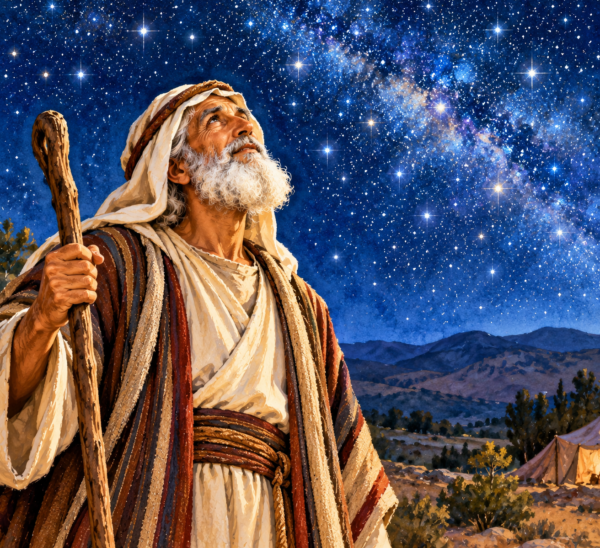
God pairs unlikely people like Abraham, the friend of God, and Rahab, the Canaanite prostitute, to show that both were counted righteous by faith that acts.
Citizen Writers Fighting Censorship by Helping Americans Understand Issues Affecting the Republic.
God pairs unlikely people like Abraham, the friend of God, and Rahab, the Canaanite prostitute, to show that both were counted righteous by faith that acts.
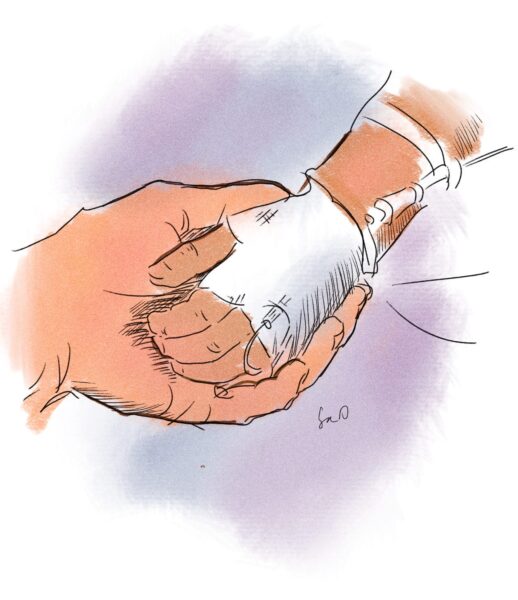
The pediatric oncology ward is a scary place. I don’t care who you are, or how tough you think you are. You walk through this part of the hospital and you’re scared spitless.

It was a crowded airport. I was between layovers. I sat at the airport bar.
The man beside me was nursing a cold beverage. I ordered a beverage, too, but I realized I had forgotten my wallet. It was in my checked bag. I had been fiscally castrated. I was penniless.
The waitress brought me ice water.

What if the greatest victories of evil don’t involve possession, spinning heads, or levitating furniture? What if they’re much simpler—pride, lust, greed, deception, hatred, and division? Ephesians 6 reminds Christians that our struggle is not ultimately against flesh and blood. Maybe we’ve become so busy identifying the enemy in everyone else that we’ve forgotten where the real battlefield is—and which weapons Paul actually told us to carry.

I have used the envelope system in my own home. Actual paper envelopes. Actual cash. Sitting on my kitchen counter, labeled in Sharpie for groceries, gas, the kids’ activities, all of it. And here is what happened the one time I reached into the grocery envelope and there wasn’t enough left for the steak I wanted: I didn’t buy the steak. I stood there in the meat aisle at Aldi, did the math in my head, and put it back. Bought chicken instead. My daughter still brings it up. “Remember when we didn’t get steak because of the envelope, Dad?” Yes, sweetheart. I remember. Because that’s what happens when the money is gone. It’s gone. There’s no secret second envelope hiding behind the first one. There’s no “we’ll figure it out next month.” The cash in the envelope IS the budget, and when it’s empty, you stop. Full stop. No negotiation with yourself at 9pm in a grocery store.
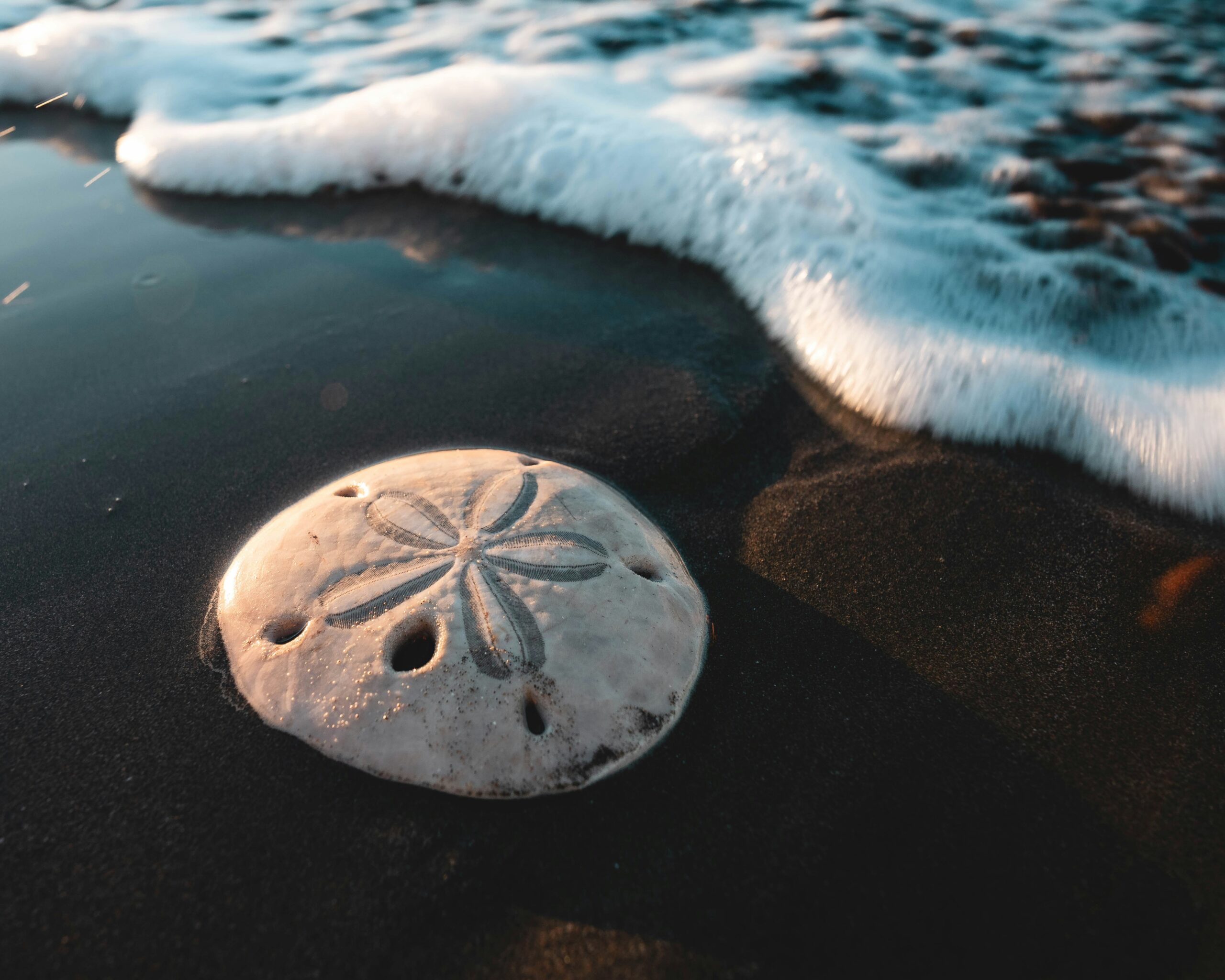
Like a sand dollar, we are fragile and easily broken, but God can use our brokenness to reveal the purpose and strength He has placed within us.

It’s been years since I swam in the Gulf. And I mean really jogged into the surf, hurled myself into the breakers, and let other, much younger swimmers pee on me.

All of humanity was born to worship. We have an instinctive need to reverence our Creator. This is just how God made us. In the beginning, mankind had a close relationship with Him. But in Genesis Chapter 3, we read of how the king of demons, Satan, tempted Eve and caused her to doubt what God said. And the rest, as they say, is history. Adam followed Eve in her quest for forbidden knowledge and power, and together they traded perfect communion with God for a life of pain and toil, of blood, sweat and tears… of thorns and thistles, culminating in death and then the judgment.
Why are the Houthis grabbing the Red Sea shipping?
Why is Iran going for the Strait of Hormuz?
Why won’t Hamas or Hezbollah ever stop their fight?
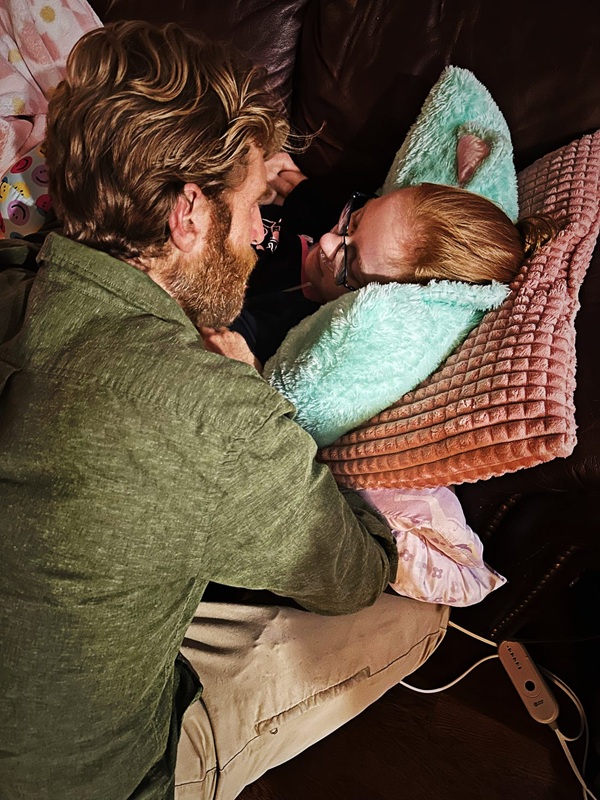
My friend Morgan is still on hospice care. I spent several days at her bedside. I played guitar for her, sitting on a chair beside her. Sometimes we held hands and just looked at each other. Talking about olden times.
Like the day we first met, some years ago.

Hermit crabs must repeatedly leave an outgrown shell and risk being exposed to find a new one — a picture of trusting God rather than ourselves in life’s vulnerable in-between moments.

This has been a sad and bittersweet year for us. So far this year, we’ve bid farewell to eight of our long-time ministry friends and supporters, as they’ve gone home to be with the Lord. We don’t get invited to weddings anymore, but there have been far too many funerals. Most have passed away at a ripe, old age. Some have been taken from us too soon.
God is good, and He is just. It’s important for us to remember the fullness of who He is so that we can remember how much we need the salvation and forgiveness His Son Jesus offers to us. In all of our brokenness, we are not without a Savior.
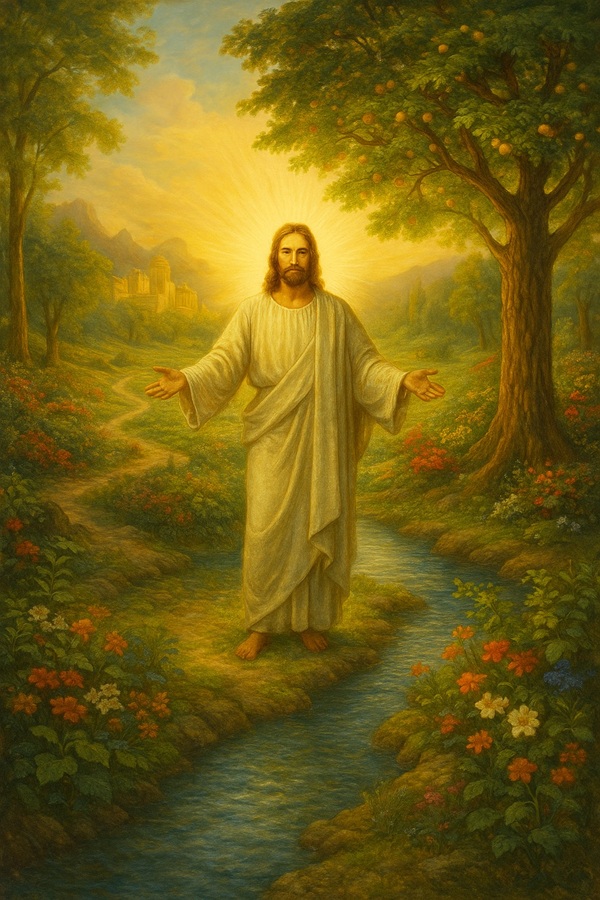
Jesus is the center of the entire Bible because He answers all three rebellions. He defeats the serpent (Gen. 3; Rev. 12), proclaims victory over the imprisoned Watchers (1 Pet. 3:19–20), and reclaims the nations disinherited at Babel (Matt. 28:18–20; Acts 2). He is the Second Adam (1 Cor. 15:45), restoring humanity’s failed vocation.

There is a maddening repetition in civilization. The national rise-and-fall pattern is the common thread. Mankind never learns; never studies; never accepts reality. Mankind always embraces a delusional blindness. This blind eye excuses, embraces, and enjoys a fancied invincible hubris. The cyclical repetition is amazing. A nation’s “rise and fall” is not Rome’s exclusivity.
How does this happen? Why are citizens complacent regarding their nation’s existence?

After the flood, God again commands humanity to “fill the earth” (Gen. 9:1). Instead, humanity gathers at Babel and says, “Let us make a name for ourselves” and “lest we be scattered” (Gen. 11:4). This is open rebellion. Babel is the first attempt at global government independent of God—centralized control, unified language, human exaltation. It is humanity trying to reverse God’s plan and replace divine rule with human empire.
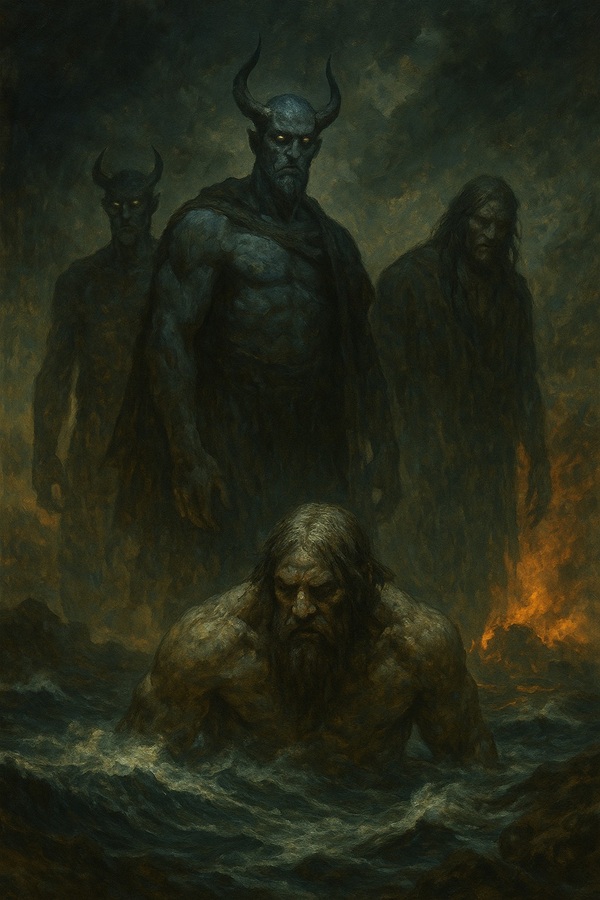
Most Christians know nothing about Genesis 6:1–4 because tradition buried it. But Scripture is blunt: “the sons of God” (bene elohim) took human women, producing the Nephilim. This language is the same used for divine beings in Job 1:6. The earliest Jews and Christians interpreted this literally. Peter and Jude confirm it (2 Pet. 2:4–5; Jude 6). This is a second supernatural-human rebellion that corrupts humanity and the earth.Eden
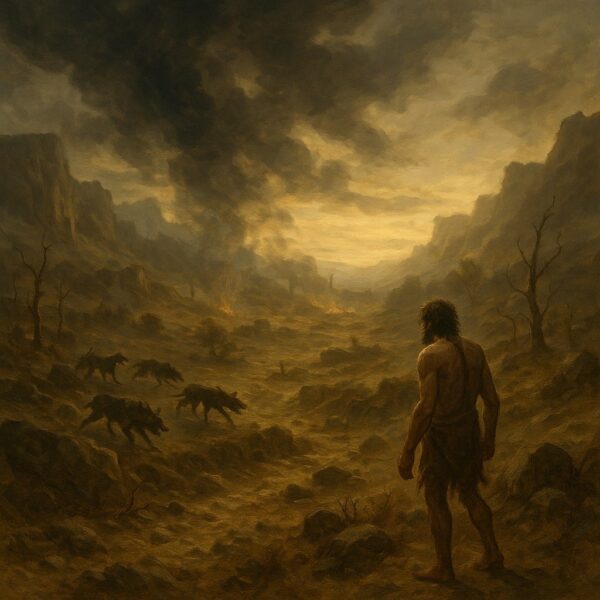
Genesis draws a sharp line between inside Eden (God’s dwelling) and outside Eden (the rest of earth). Humanity’s command to “fill the earth and subdue it” (Gen. 1:28) implies the world outside Eden was wild, undeveloped, and awaiting humanity’s rule. The Hebrew kavash (“subdue”) means to bring under order. You don’t “subdue” paradise. You subdue wilderness. The world outside Eden was not evil—just unfinished.
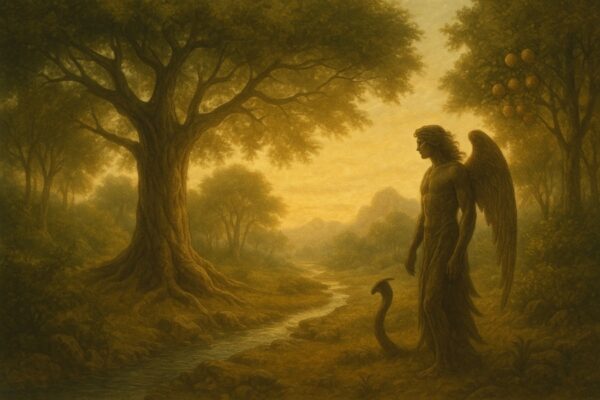
Most Christians think Eden was a perfect, universal paradise. But Genesis never claims that. The Bible says God “planted a garden in Eden” (Gen. 2:8), a sacred space inside a larger region. Ezekiel calls it “the mountain of God” (Ezek. 28:13–14). Eden was God’s dwelling place, not a global utopia. Only inside Eden did God walk with humanity (Gen. 3:8). Outside the garden lay the rest of the earth—good, but not yet sacred space. The story starts with geographic holiness, not widespread perfection.
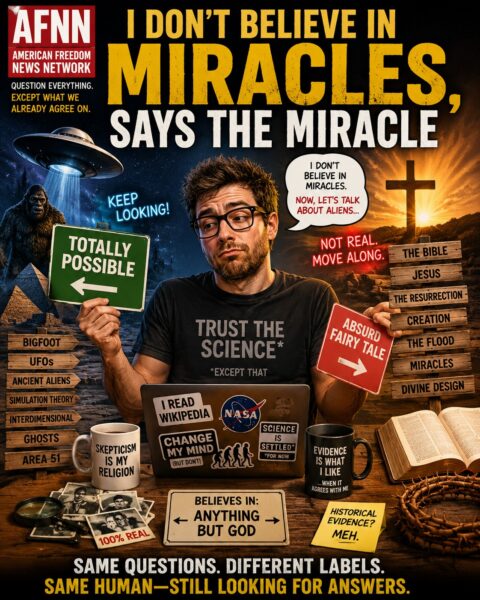
Modern man says he doesn’t believe in miracles while standing on a wet rock hurtling through space, made of stardust, possessing consciousness nobody can fully explain, pondering a universe nobody can explain why exists. God? Ridiculous. Ancient aliens? Now you have his attention. Maybe we didn’t stop believing—we just changed the vocabulary and became selectively skeptical about which mysteries are socially acceptable. Watch for AFNN next week as we ask the uncomfortable question: “I Don’t Believe in Miracles,” Says the Miracle.