FINAL STRETCH: Michigan gubernatorial candidate says state is ‘hungry for change’

Michigan gubernatorial candidate John James discusses the key issues he’s honing in on ahead of his election on ‘The Big Weekend Show.’
Citizen Writers Fighting Censorship by Helping Americans Understand Issues Affecting the Republic.
Michigan gubernatorial candidate John James discusses the key issues he’s honing in on ahead of his election on ‘The Big Weekend Show.’

Podcast host Ben Ferguson and National Review columnist Caroline Downey discuss the Michigan Senate debate between Mike Rogers and Abdul El-Sayed on ‘Kudlow.’

Assistant Attorney General for Fraud Division Colin McDonald discusses efforts to stop fraud and waste on ‘The Evening Edit.’

Suicide recognizes no race. So, if you are hurting right now, skip my whole article. Call or text 988 instead. Veterans, press 1. It is free, it runs 24 hours, and the person who picks up does not care what color you are or who you voted for. Okay. The rest of you, pull up a chair. Class is in session.

Dr. Amesh Adalja discusses reports of a suspected plague outbreak in Russia, calling for transparency from the Russian government after a second reported pneumonia-related death at a research lab.
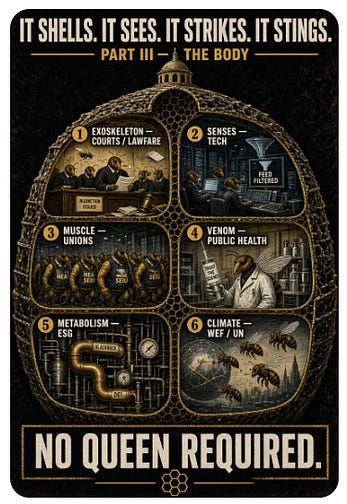
Completing analysis of the modern American leftwing power network
This is Part III of a 3-part series that frames the Democrat Party (the “Left”) and its supporters as a hive – a metaphor that characterizes a decentralized but instinctively coordinated politically-driven collective that swarms in the same leftward direction, enforces conformity, and advances the Left’s collectivist goals without needing a formal conspiracy or central command for control purposes.

Former CDC director Dr. Robert Redfield and former CIA Moscow chief of station Dan Hoffman discuss U.S. monitoring of a suspected pneumonic plague death linked to a Russian lab on ‘Special Report.’
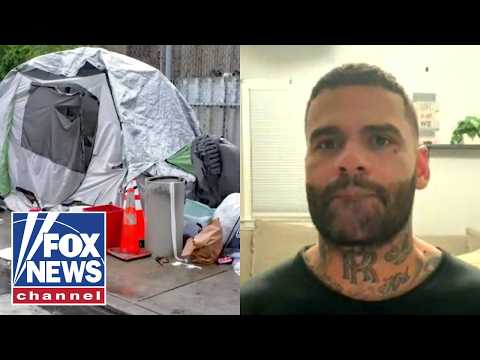
Independent journalist Nick Shirley and addiction recovery specialist Frank Rodriguez shed light on how drugs are impacting American cities on ‘Jesse Watters Primetime.’

I FAILED MY OWN CLAIM. MORE THAN ONCE.
Let me start with a confession, because somebody needs to say it out loud.
I am a medically retired Army combat medic. Twenty-three years. Iraq. I spent my career documenting injuries on OTHER soldiers — SF 600s, sick call notes, MEDEVAC paperwork. If anyone on this planet should have walked into the VA claims process and crushed it on the first try, it was me.
I did not.
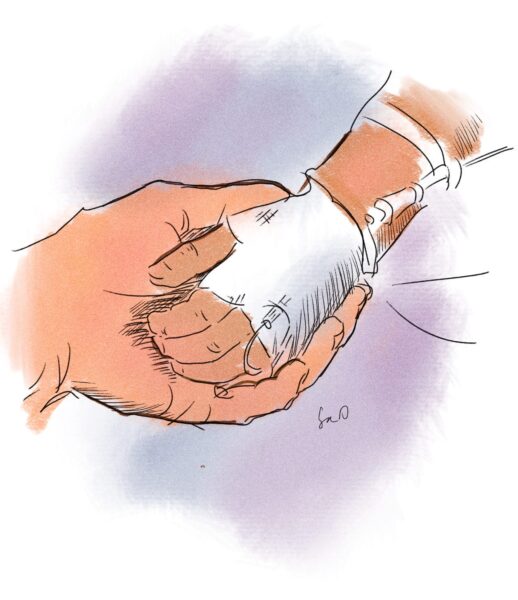
The pediatric oncology ward is a scary place. I don’t care who you are, or how tough you think you are. You walk through this part of the hospital and you’re scared spitless.
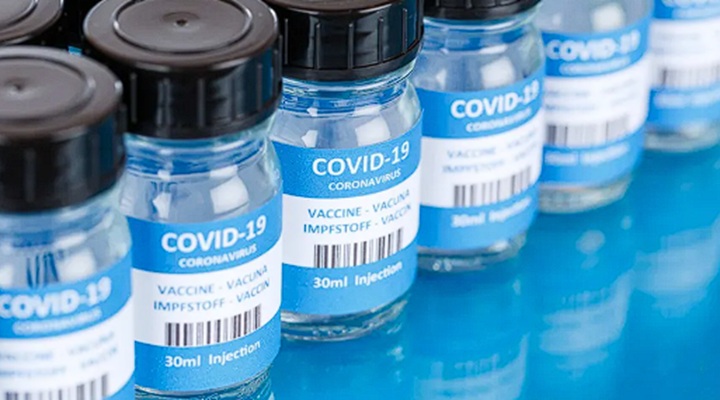
In an explosive interview with Megyn Kelly, Secretary of Health and Human Services Robert F. Kennedy, Jr., exposed why ivermectin and hydroxychloroquine were hidden from the public during the COVID-19 pandemic.
The pharmaceutical and medical industry buried two drugs, while many doctors, at the dismay of their overlords and the pharmaceutical industry, were convinced that ivermectin and hydroxychloroquine (hydroxy) were safe, effective, and inexpensive. Many doctors were perplexed that these protocols were made unavailable, with some losing their positions and careers fighting for a quick and effective medical treatment for COVID-19.
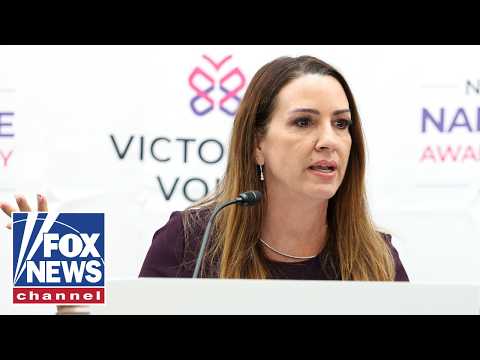
Office of National Drug Control Policy director Sara Carter addresses America’s drug epidemic following the deaths of two University of Mississippi students believed to have died from using kratom on ‘Hannity.’

CBS News 24/7 is the premier anchored streaming news service from CBS News and Stations that is available free to everyone with access to the internet and is the destination for breaking news, live events, original reporting and storytelling, and programs from CBS News and Stations’ top anchors and correspondents working locally, nationally and around the globe. It is available on more than 30 platforms across mobile, desktop and connected TVs for free, as well as CBSNews.com and Paramount+ and live in 91 countries.

Contrary to 2016, in 2020 and 2024 I voted wholeheartedly for President Trump. Here’s why.

President Donald Trump makes an announcement on health care as his administration focuses on prescription drug prices, insurance costs and price transparency.

I’m calling Gilkar and Ahmed custodians rather than parents of baby Gabriel. The legal system has given them custody, but only their behavior can make them parents – a test which they have failed miserably.
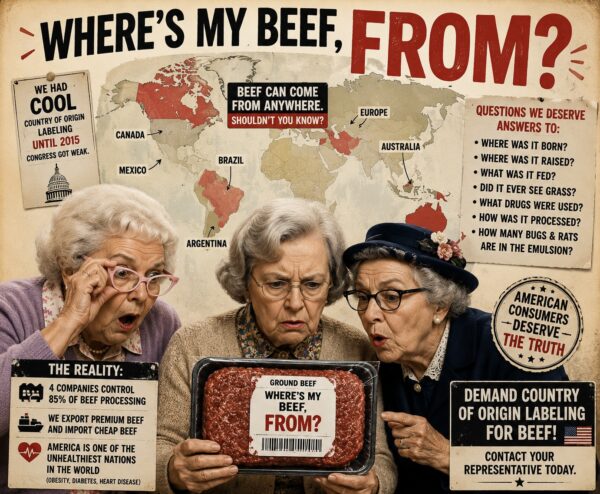
Remember the old Wendy’s commercial: “Where’s the beef?” In 2026, maybe the better question is: “Where’s my beef FROM?” America once required Country of Origin Labeling for beef—until Congress blinked in 2015. Now, while we export premium American beef and import foreign beef for our food supply, consumers deserve a simple answer about what they’re putting on the grill. Teddy Roosevelt took on the Beef Trust. Maybe it’s time to channel a little Bull Moose again.
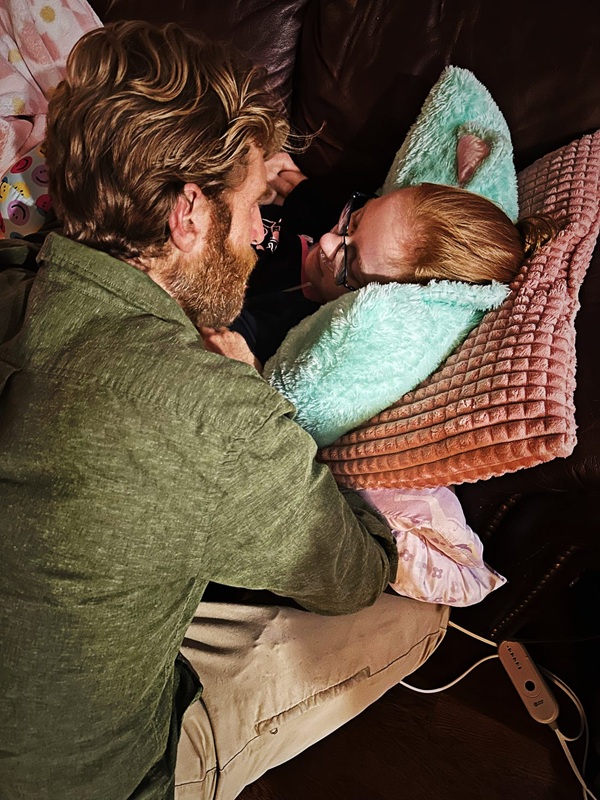
My friend Morgan is still on hospice care. I spent several days at her bedside. I played guitar for her, sitting on a chair beside her. Sometimes we held hands and just looked at each other. Talking about olden times.
Like the day we first met, some years ago.
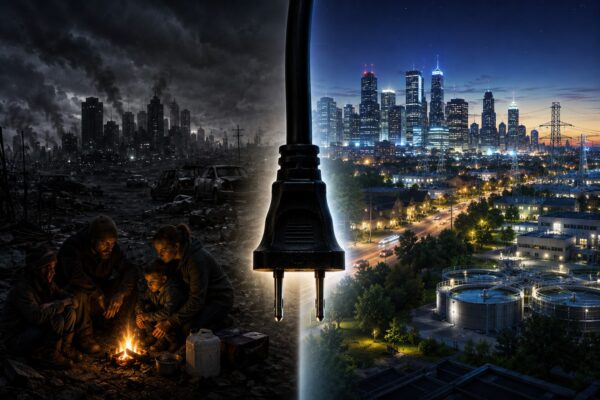
Electricity was once a luxury. Today, it is the invisible life-support system of modern civilization. Take the grid away for three months and the problem isn’t simply darkness—it’s water, sewage, refrigeration, medicine, fuel, communications, and millions of people discovering that civilization has outsourced most of their basic survival skills. America’s Achilles’ heel may not be that an enemy can defeat our military, but that someone could disrupt the enormous electrical extension cord connecting nearly everything that keeps us alive.

Do you ever feel like your entire life hurts—like you are physically exhausted, emotionally drained, and completely trapped by circumstances? In our modern, high-pressure world, it is tragically easy to fall into dark depression, feeling isolated, out of touch with God, and deeply anxious about the future.