Slocomb, Alabama

Dear Aaron,
You are my best good friend. In many ways, you are the brother I never had. I’m not sure that’s a title you want to bear. I’m sort of a degenerate.
But I love you, brother. So help me, I do.
Citizen Writers Fighting Censorship by Helping Americans Understand Issues Affecting the Republic.
Dear Aaron,
You are my best good friend. In many ways, you are the brother I never had. I’m not sure that’s a title you want to bear. I’m sort of a degenerate.
But I love you, brother. So help me, I do.
Northview High School lost one of their own a few weeks ago. Students returned after spring break and their world was decimated. The teenage security bubble had been shattered.
Senior Kara Santorelli was recently killed on Highway 29. Her car was struck by a vehicle traveling the wrong way. Both drivers died at the scene.
It was godawful.

Those who are Christians have already made the decision to trust God, at least on some level. Today’s article outlines six reasons to trust God.
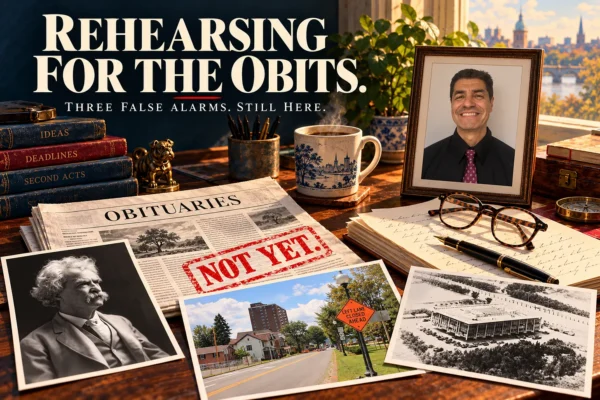
A life declared over three times is a reminder that rumor and concern can blur the line between being gone and being missed.
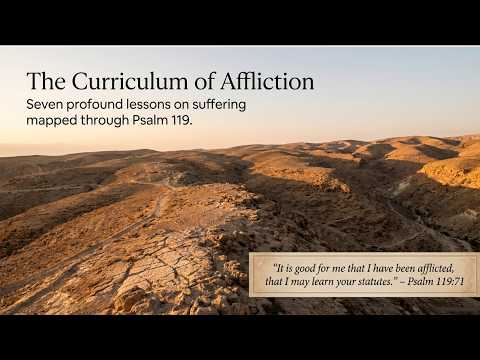
Are you feeling overwhelmed by unexpected trials, facing severe illness, sudden job loss, or painful personal grief, wondering where God is in your suffering? In a fast-paced, fragile world, it is tragically easy to view trials as meaningless disasters rather than God’s divine tool for your true spiritual growth.

I saw a shooting star. A big one. I was exiting Walmart. Pushing my buggy. It was dusk. The sky was pink. I looked into a cloudless sky and there it was.

“A lot of people might think the world is falling apart,” he wrote to me. “But they’re wrong. I’ve been on the other side. There’s lots of good people out there.”

I always wondered what I’d do if I met him. I always wondered how I’d act if I met Young Me.
Well, this was my chance to find out.
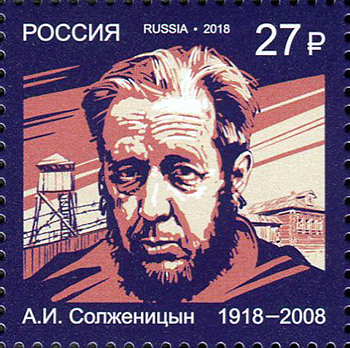
In his Harvard address, Solzhenitsyn offered a scathing critique of ideological conformity, which he perceived as a threat to genuine intellectual and moral freedom. He warned against the dangers of a monolithic worldview imposed by the state or society, which stifles individual thought and suppresses dissent. This critique remains strikingly relevant today, as various ideological forces seek to dominate public discourse and marginalize opposing viewpoints.

Alexander Solzhenitsyn’s 1978 Harvard commencement address, “A World Split Apart,” serves as a profound critique of the spiritual and moral decay in Western societies. Solzhenitsyn foresaw a decline rooted in materialism and a departure from spiritual values, a perspective that resonates even more powerfully in today’s context. He warned of a society increasingly driven by consumerism, where the quest for comfort and wealth eclipses the pursuit of higher moral and spiritual ideals. This crisis of the human spirit, he argued, leads to a shallow existence, devoid of deeper meaning and true fulfillment.

Autumn’s falling leaves are a lighthearted reminder to let go of negativity and distractions, trusting God to carry what we release so we can make room for something new.

A Catholic church. It was lunchtime. The chapel was empty when I wandered in. The janitor was Latino and spoke fractured English. He was elderly, with lily-white hair.
“May I help joo?” he said.
I asked to speak to the priest.
“Have a seat,” the custodian said, “the Padre will be with you shortly.”

My sister and I sit cross-legged on the front porch, playing cards. I am losing. Not that this matters.
We are really into the game right now, slapping cards on the porch floor.
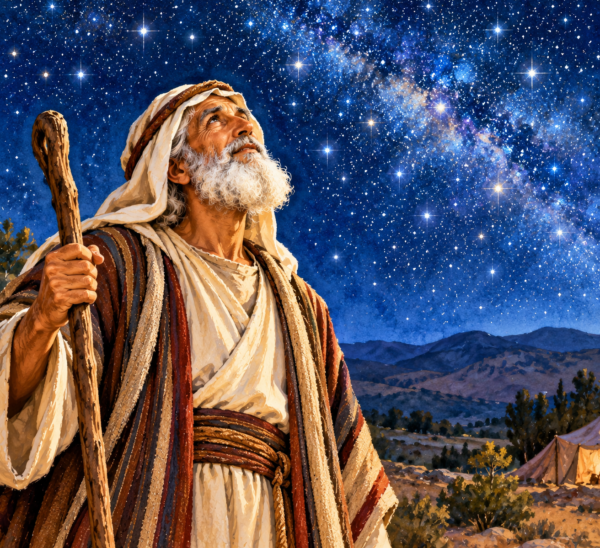
God pairs unlikely people like Abraham, the friend of God, and Rahab, the Canaanite prostitute, to show that both were counted righteous by faith that acts.
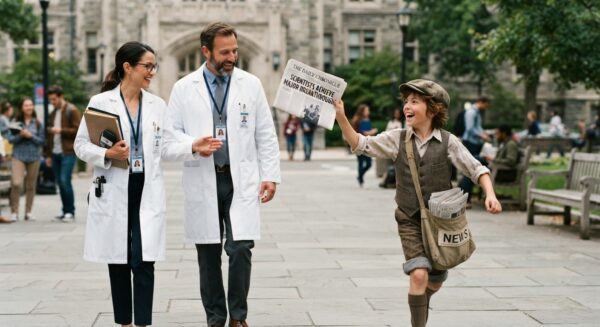
In a week full of tumult and turmoil, Cushman Younger provides a little inspiration…sort of…

Who was John Wayne? Marion Robert Morrison. John Wayne. He was an idea. In most of his movies, he portrayed a gruff and tough hero. The Searchers. The Sands of Iwo Jima. The original True Grit. Great movies, all.

The kid was filling a shopping buggy. He was reaching for a bag of tortilla chips on the top shelf. I saw one of the older ladies in our aisle reach upward and remove a bag of Tostitos for him.
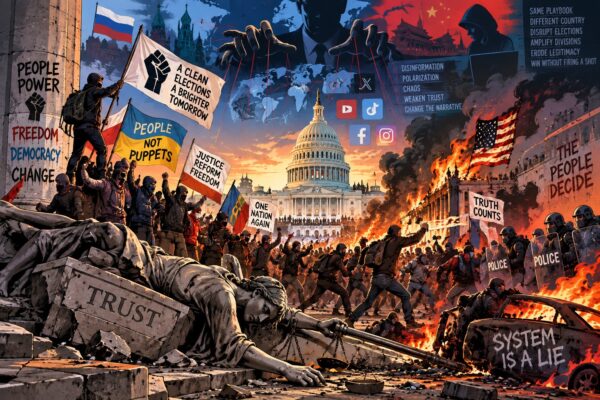
You don’t have to invade a nation to defeat it. You may only have to convince its citizens that their elections are rigged, their courts are corrupt, their institutions are illegitimate, and their neighbors are the enemy. As early as 2012, the U.S. military was wrestling with the Human Dimension and emerging ideas about the Human Domain—the recognition that wars ultimately turn on human behavior and human will. Add smartphones, algorithms, information warfare, color-revolution dynamics, and fifth-generation warfare, and the battlefield starts looking considerably different. The Capitol can still be standing, the flag can still be flying, and elections can still happen right on schedule. But if nobody believes any of it anymore, an enemy may never have to conquer us. We may eventually do the job ourselves.

The four physical necessities of life—water, air, food, and light—each point to a deeper spiritual necessity found in Christ, who is described in Scripture as living water, the breath of life, the bread of life, and the light of the world.
