Uncle Sam’s Children

I was late for a plane when I saw him. The freckled kid was in uniform. Operational camouflage combat fatigues. Reverse-flag patch on the right shoulder. High and tight haircut.
Citizen Writers Fighting Censorship by Helping Americans Understand Issues Affecting the Republic.
I was late for a plane when I saw him. The freckled kid was in uniform. Operational camouflage combat fatigues. Reverse-flag patch on the right shoulder. High and tight haircut.
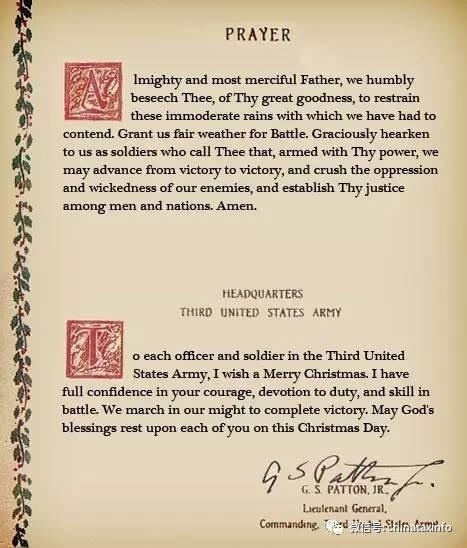
Before the skies cleared over the Battle of the Bulge, General George S. Patton didn’t call for another committee meeting—he called for a chaplain. While modern America places its faith in technology, data, and bureaucracy, Patton believed victory required something more. He prepared relentlessly, commanded fearlessly, and then bowed his head in prayer. Days later, the weather broke, Allied aircraft filled the skies, and Patton pinned a Bronze Star on the chaplain who had written the famous weather prayer. Whether you call it coincidence or providence, one of America’s greatest generals never apologized for believing that faith belonged on the battlefield alongside tanks, artillery, and courage.
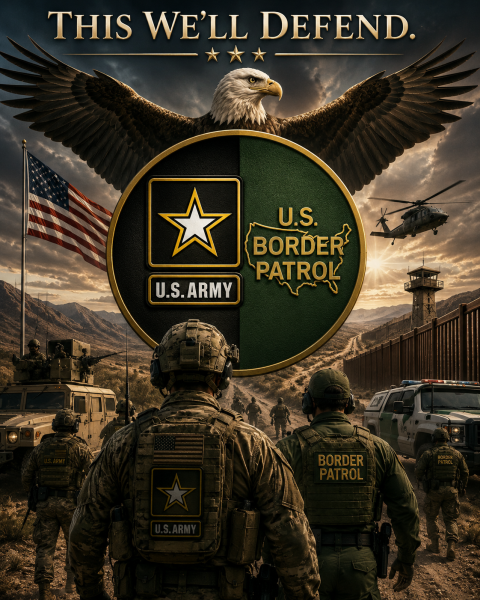
The U.S. Army was created to defend the United States. Yet today, it protects borders and allies around the world while America’s own southern border is managed through a separate bureaucracy built only two decades ago. Retired Colonel Douglas MacGregor has proposed a simple but disruptive question: What if Border Patrol became part of the Army? The idea isn’t about turning soldiers into immigration agents—it’s about unifying homeland defense, eliminating redundant bureaucracy, saving taxpayer dollars, and putting America’s oldest military institution back in charge of the mission written into its very motto: “This We’ll Defend.”

Truth is not determined by our feelings, our experiences, or whatever is popular this week. Even the most profound spiritual encounter still leaves one question unanswered: Is it true?
After years of searching through war, trauma, interviews, and extraordinary experiences, Shawn Ryan says his search led him to a simple conclusion—not another philosophy, not another experience, but Jesus Christ and the Bible. Whether you agree or not, his journey is a reminder that the greatest question any of us can ask isn’t, “What did I experience?” It’s, “What is true?”

In 1935, Smedley Butler warned that “War is a racket.” Twenty-six years later, President Dwight D. Eisenhower warned Americans about the growing power of the military-industrial complex. Nearly a century later, their warnings deserve another look. As America replenishes stockpiles from Ukraine and Iran while asking Ford and other manufacturers to help produce more weapons, one uncomfortable question remains: when every missile launched becomes another billion-dollar contract, who is really winning? Soldiers still pay in blood. Taxpayers still pay the bill. But someone always profits.
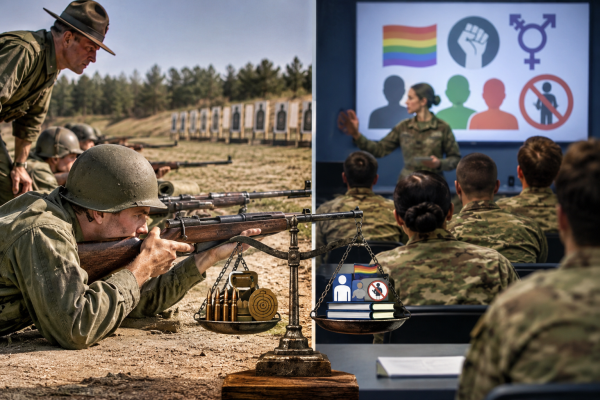
In 1956, the Army created the U.S. Army Marksmanship Unit. In 1958, General Curtis LeMay established the Air Force Marksmanship School and pushed competitive shooting across the service because America’s military leaders believed one simple truth: a warrior should master his weapon. Today, many of the skeet fields, rifle ranges, and MWR shooting facilities that once flourished on military bases have disappeared. We call it modernization. Previous generations might have called it forgetting the purpose of a military in the first place.

For more than 6,000 years, the shores of Michigan’s Upper Peninsula have produced one of civilization’s most valuable resources. Long before Rome, before the Bronze Age reached its peak, and long before Europeans set foot in North America, Indigenous miners were extracting native copper from the Keweenaw Peninsula and Isle Royale. That same metal helped electrify America during the Industrial Revolution and today powers everything from smartphones and AI data centers to electric vehicles and military technology. The richest deposits may be gone, but the story isn’t over—Michigan’s remaining copper could prove to be one of America’s most important strategic resources for the next century.
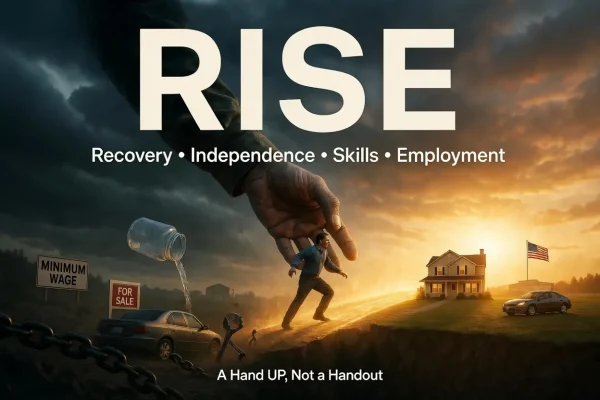
Dave and Sarah had committed the cardinal sin of being responsible adults. They owned a home. They had a car that was paid off. They had $3,200 in a savings account — money they’d been scraping together for years to have SOMETHING in case of emergency. And now the emergency was here, and the government said, “Sorry, you’re too rich for help.”
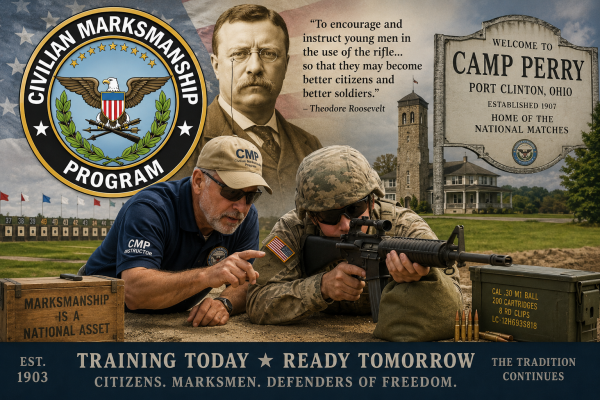
The Civilian Marksmanship Program is more than a shooting organization. It is a self-funded national-security asset that preserves firearms safety, competitive marksmanship, and a reserve of civilian expertise. During the Iraq War, CMP volunteers even traveled to military installations such as Fort Campbell to help the U.S. Army Marksmanship Unit train deploying soldiers as Squad Designated Marksmen. What looks like recreation on Saturday can become battlefield capability when the nation needs it.

The U.S.-Iran war enters a new phase as President Donald Trump weighs expanding military operations after 10 consecutive nights of U.S. strikes and the deaths of two American service members in Iran-backed attacks.

Don Surber’s roundup of this week’s news items is more enlightening than the actual reporting. Enjoy!
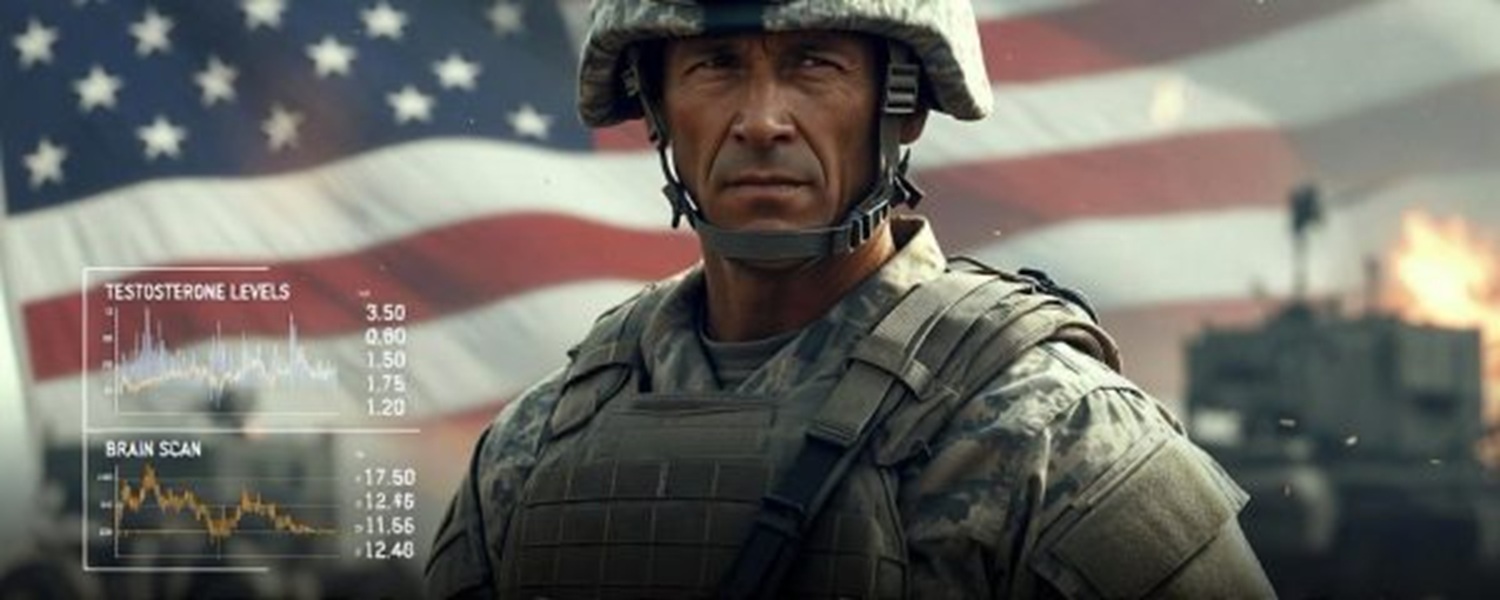
Once again, leftists bound and determined to find fault, fail to do their homework. Mike Borowski walks us through why low testosterone in a young Soldier is a harbinger of more serious issues.

Ret. U.S. Navy commander John ‘Fozzie’ Miller discusses U.S. Central Command’s seventh consecutive night of strikes targeting Iran’s military infrastructure and supply routes on ‘Kudlow.’
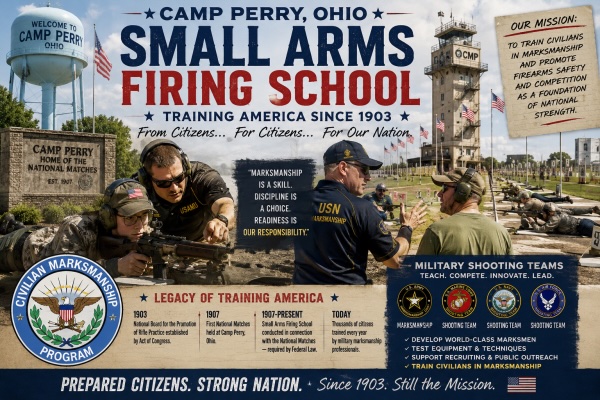
For more than 120 years, America’s military marksmanship teams have done far more than chase medals. Every summer at Camp Perry’s Small Arms Firing School, they pass generations of hard-earned knowledge to ordinary citizens—teaching safe firearms handling, precision marksmanship, and personal responsibility. It’s a quiet mission rooted in federal law since 1903, built on a simple idea: a nation is stronger when its citizens are capable, disciplined, and prepared. The trophies are impressive, but the real legacy is American readiness.

Navy SEAL veteran Mike Sarraille and The Heritage Foundation’s Victoria Coates discuss President Donald Trump’s options as the United States carries out strikes against Iran.
Retired U.S. Navy SEAL Mike Sarraille discusses the U.S. military’s withdrawal from Iraq, the regional security outlook and whether Israel will heed President Donald Trump’s reported call to reduce its military presence in Syria and Lebanon on ‘Varney & Co.’ #foxbusiness #varneyandco
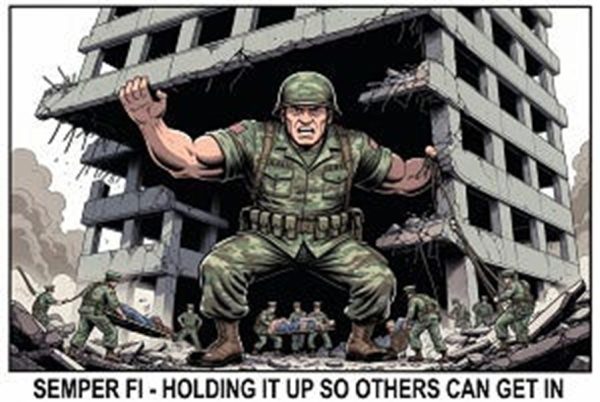
On June 24, 2026, two earthquakes hit Venezuela back-to-back. They registered 7.2 and 7.5, numbers that are pretty high on the Richter scale. The military sent in the Marines (and other branches). The State Department worked with charities such as Samaritan’s Purse, World Vision and Catholic Relief Services to avoid the confusion that occurred in the successful response to the January 12, 2010, earthquake in Haiti.

The U.S. launched two waves of strikes against Iran on Wednesday, marking the fifth day of attacks against the country as the war ramps back up. CBS News’ Aaron Navarro reports.
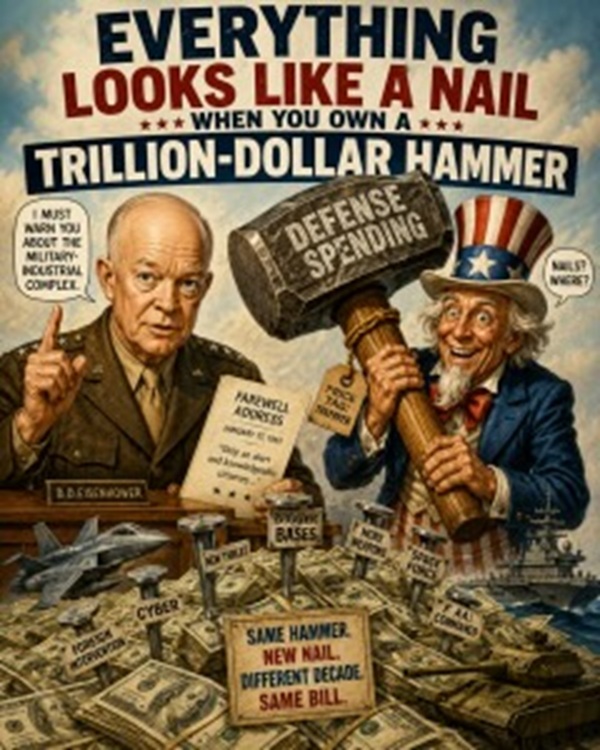
Eisenhower didn’t warn America about a foreign army. He warned us about ourselves. A five-star general looked into the future and cautioned that a permanent military, a permanent defense industry, and a permanent government bureaucracy could become so intertwined that only an “alert and knowledgeable citizenry” could keep them in check. Sixty-five years later, we spend roughly a trillion dollars a year on national defense, the Pentagon still can’t earn a clean financial audit, and many Americans know more about celebrity gossip than federal spending. The question isn’t whether Eisenhower was right. The question is whether we’re still the alert and knowledgeable citizens he believed liberty required.
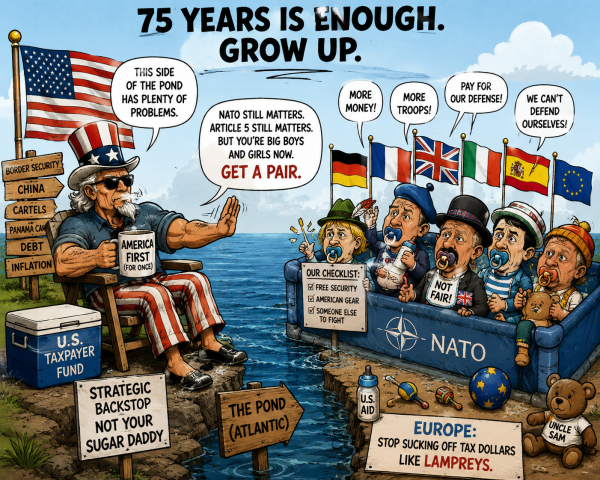
For 75 years, America has been Europe’s security blanket. Maybe it’s time to fold it up. The Monroe Doctrine wasn’t about policing the entire planet—it was about protecting our own hemisphere first. NATO still matters. Article 5 still matters. But Europe’s wealthy democracies aren’t helpless children anymore. Build your armies. Fund your defense. Guard your own neighborhood. Uncle Sam can still be the backstop—but it’s time to stop treating him like an unlimited credit card with a standing military attached.