Why We Call It Political Science

Let us dive a bit deeper into Aristotle’s view of politics and how it differed from his teacher Plato.  Previously we saw how Aristotle disagreed with his teacher Plato that only a philosopher king could properly rule.  Aristotle believed that humans were inherently flawed and that reality required just laws to be supreme in order to …

Read more

Living Behind Enemy Lines, Tale #92: “You Are A White Supremacist, Aren’t You Diane?”

Living Behind Enemy Lines, Tale #92: "You Are A White Supremacist, Aren't You Diane?"

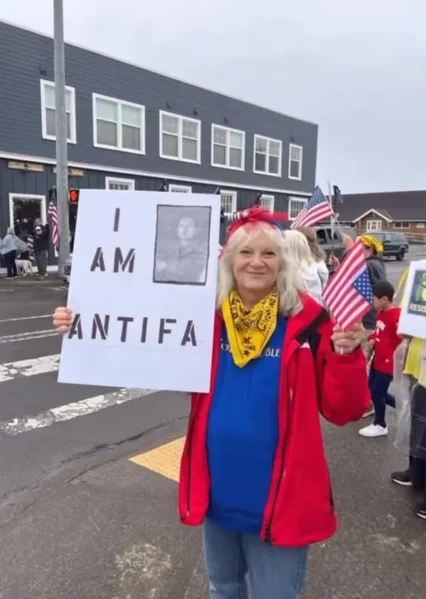
By the time I stopped laughing, the indoctrinated reporter had gathered what wits he had and stuttered “how many white supremacists do you know?” Laughing again, I asked him what made him think I would be acquainted with the four “white supremacists” in Oregon.

A Letter of Concern and Foreboding to the Society of Professional Journalists

Several months ago, I sent a note to Caroline Hendrie, Executive Director of the Society of Professional Journalists (SPJ), the 117-year-old organization that focuses on journalism ethics, defending the First Amendment, and providing professional development for both legacy and independent journalists. I have been a member of SPJ for more than 50 years, since I …

Read more

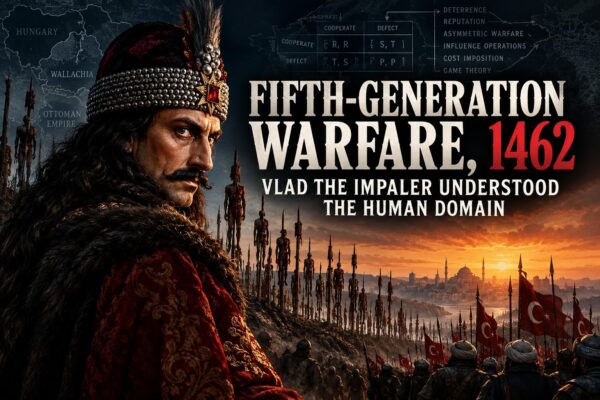
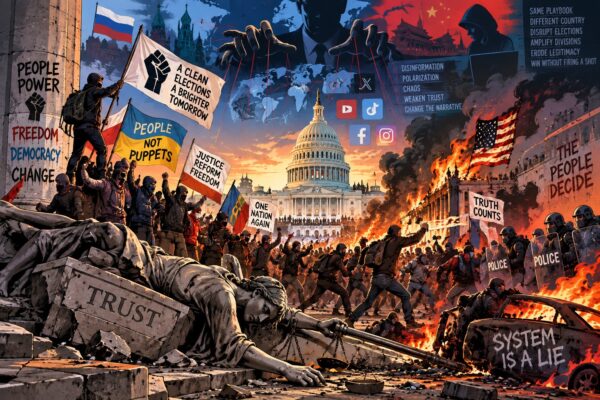
Welcome to the War You Didn’t Notice: Living in Fifth-Generation Conflict Since 2019

There was no declaration. No troop movement you could point to on a map. No shock-and-awe campaign lighting up the night sky. And yet somewhere around 2019, the world shifted—and it hasn’t felt normal since. That’s because the battlefield changed. We are now living inside what military thinkers call Fifth-generation warfare. And unlike every war that came before it, this one isn’t being fought over land. It’s being fought over you.

What Is Truth?

Not every question is asked in order to get an answer.  In the scene I described in my last article, the Roman ruler asks this question not in order to better understand the Truth, but rather to mock the very idea of Truth.  Think of it along the lines of your significant other asking, “What …

Read more

Weaponized Chaos: How Unpredictability Became America’s New Deterrent

We’ve seen this movie before, and the lesson was written in blood during the Vietnam War. The United States didn’t lose because it ran out of bombs, bullets, or body armor. It lost because it ran out of public will. The battlefield shifted from the jungle to the living room, and once the American people stopped believing, the strategy collapsed under its own weight. Since then, every adversary worth their salt—from insurgent groups to near-peer competitors—has studied that vulnerability like it’s the Rosetta Stone of defeating the United States: fracture the narrative, erode domestic support, and time will do the rest.