Why 2026 Might Break the Midterm Curse

What exactly is the midterm curse? Is it a certainty, or just one of a variety of factors? A strong case can be made that this election season is still very much in play.
Citizen Writers Fighting Censorship by Helping Americans Understand Issues Affecting the Republic.
What exactly is the midterm curse? Is it a certainty, or just one of a variety of factors? A strong case can be made that this election season is still very much in play.

There are places where the water is warm, the reefs are colorful, and every dive feels familiar. Then there’s Thunder Bay. Hidden beneath the cold, crystal-clear waters of Lake Huron lies one of North America’s greatest collections of preserved shipwrecks, where history is measured not in museums, but in feet of depth. From the beginner-friendly “Oscar T. Flint” at 33 feet, to the towering machinery of the “Montana” at 63 feet, and finally the legendary “Grecian” resting around 100 feet below the surface, few places offer such a perfect progression for recreational divers. The only catch? You have to embrace the cold—but those who do are rewarded with an underwater time capsule unlike anywhere else in the world.
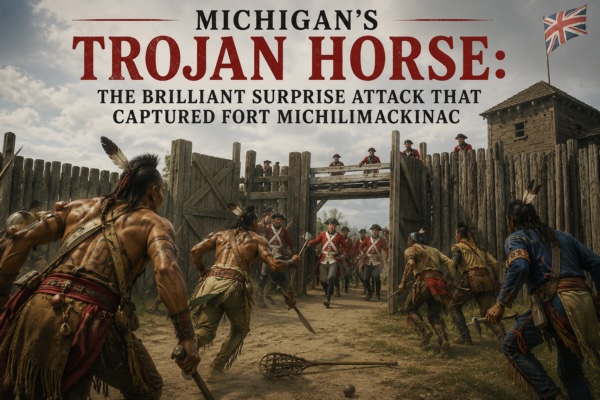
In 1763, Fort Michilimackinac fell without an artillery barrage, a breached wall, or a prolonged siege. The Ojibwe used something far more effective: deception, surprise, a lacrosse game—and a British commander who ignored warnings that an attack was coming. What followed was one of the most audacious actions in Michigan history, preserved for us through the eyewitness account of a fur trader who somehow survived it.

The horse didn’t disappear when the automobile arrived. It simply stopped being essential. Artificial intelligence may be forcing the legal profession into a similar reckoning. When a $20 monthly subscription can research case law, organize evidence, draft motions, and explain legal procedure, the age of the billable hour may finally be facing its greatest challenge. Somewhere, an attorney is still billing in six-minute increments while AI has already finished the paperwork.
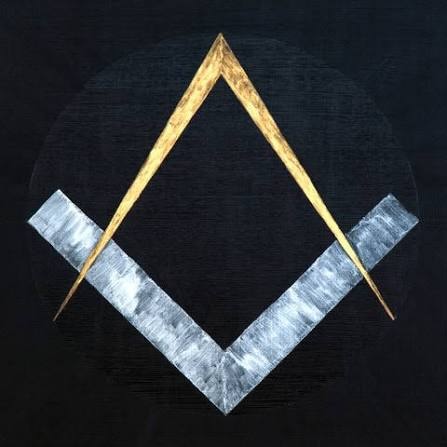
Before GPS, CAD, drones, and LiDAR, American military engineers were laying out massive forts with astonishing geometric precision using little more than chains, optical instruments, pencils, and a serious command of mathematics. Fort Wayne’s remarkable symmetry raises an irresistible question: brilliant engineering—or something more mysterious? From star-fort battlefield geometry to Freemasonry’s famous obsession with the square and compass, we separate the fascinating history from the conspiracy theories. The conclusion may be even more humbling: the old guys were really freaking good at math.
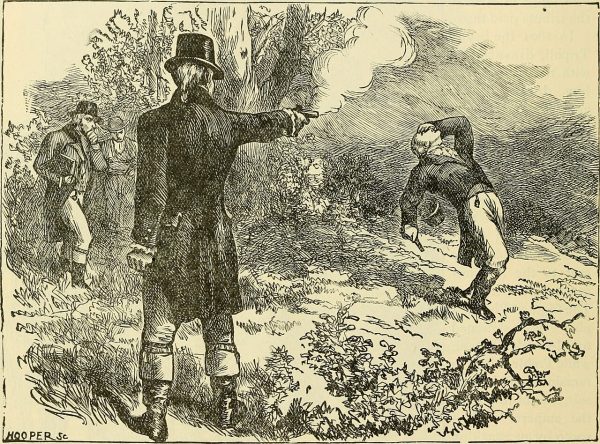
On July 12, 1804, former Treasury Secretary Alexander Hamilton died from injuries sustained in a duel against Aaron Burr. Burr had challenged Hamilton following a long string of overheard political attacks over the years. But who was right, and who was wrong?

In 1775 – when the Continental Congress unanimously selected him as our Commander in Chief – and today, it is clear that George Washington was and remains, in every way, the Father of His Country.
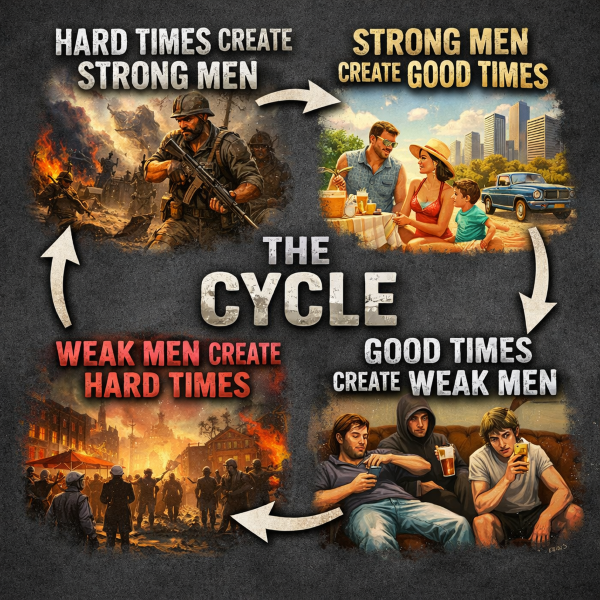
The now-famous line popularized by G. Michael Hopf—“Hard times create strong men. Strong men create good times. Good times create weak men. Weak men create hard times”—isn’t just internet wisdom wrapped in a motivational poster. It’s a stripped-down field manual for understanding why civilizations rise, peak, wobble, and then fall flat on their face.
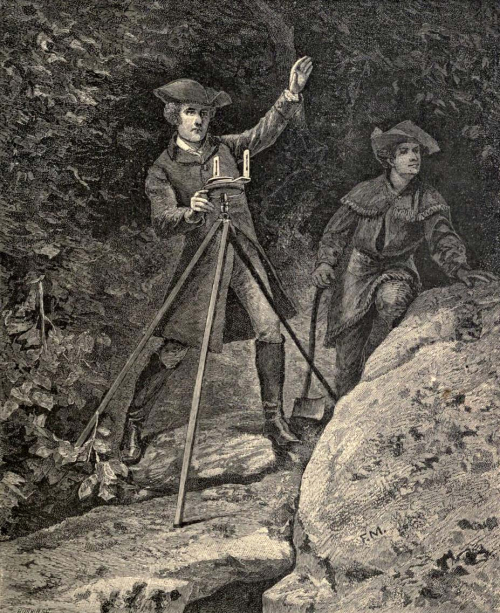
The greatest president of them all, George Washington – surveyor, planter, trader, legislator, executive, and soldier – had no “higher education” at all. How ever did he manage it?

Historians, political scientists, and philosophers alike often look at revolutions and ask the question “Was it a simple coup d’etat, or a real popular revolution? And if a real popular revolution, just how ‘popular’ was it, really?”

Conservatives credit George Orwell for predicting the oppressive moves of our government, and rightly so
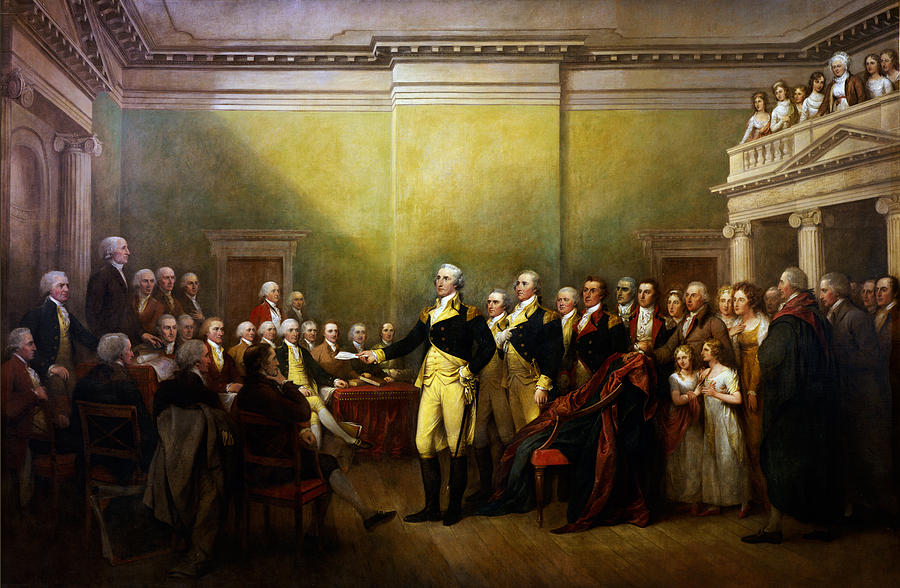
t is said that, when George III learned that General Washington planned to return to farming rather than take a crown, as any European general would presumably do, the defeated king said “If he does that, then he will be the greatest man in the world.”

Would you agree to attend meetings for an entire hot, humid Philadelphia summer, from March 15 through September 17, without a working air conditioner in the conference room? That’s hard, but we’re not done.

Thirteen upstart colonies had declared themselves states, and united in a loose federation to fight for independence from the greatest military power on earth. And they handed over the reins to George Washington, to make it happen.

The great George Washington was born in Westmoreland County, Virginia on February 22, 1732, and served about seventeen years as a delegate in the Virginia colony’s House of Burgesses. He is remembered for many other things as well. The Father of his Country was known as a successful merchant, farmer, and horticulturalist, a prominent frontier …

Reflections on the anniversary of the closure of King’s College and the flight of its dean…

Washington’s Birthday is different, because on this day, we’re focused on one man. As well we should be.

In the crucible of post-Revolutionary War America, George Washington faced a pivotal test of leadership during the Newburgh Conspiracy of 1783,

The infamous Wounded Knee Massacre (1890) marked the brutal conclusion of the American Indian Wars, leaving hundreds of Lakota Sioux dead.

In the annals of history, one figure stands out as the unsung prophet of our times—Mark Twain.