Tyranny on a Budget: How Technology Made Big Brother Affordable
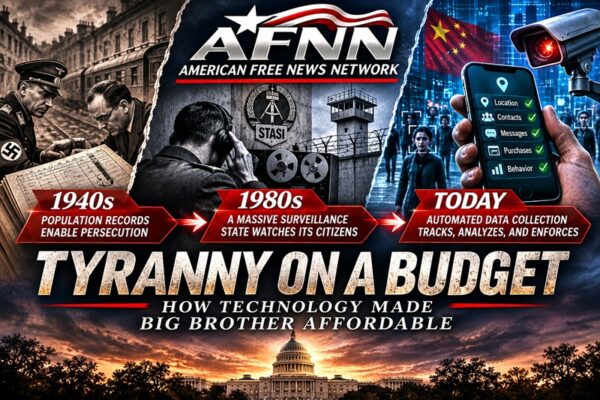
Tyranny used to be expensive. The Nazis needed filing cabinets, and East Germany’s Stasi needed 280,000 employees and informants. Today, governments can use databases, artificial intelligence, and the smartphone affectionately known as the “NSA leash.” We’ve voluntarily purchased our own surveillance equipment, financed it over 24 months, and agreed to the terms and conditions. Welcome to the Data Revolution, where Big Brother gets a budget cut and your constitutional rights could get the bill.
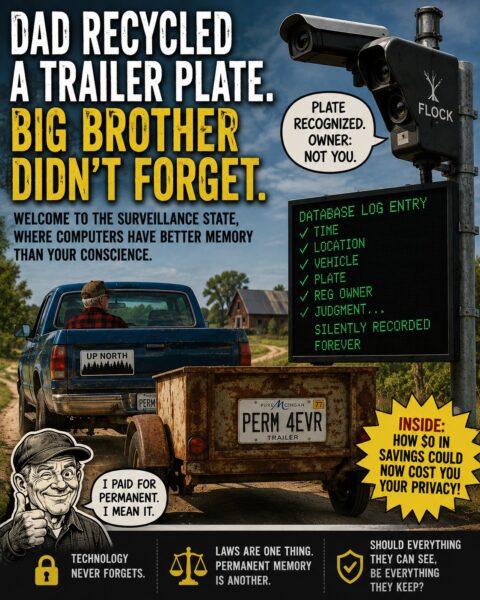
Dad’s Permanent Trailer Plate Has Entered the Surveillance State

Dad thought “permanent trailer plate” meant permanent. Government apparently meant, “until you buy another trailer, peasant.” For generations, recycling an old trailer plate was the kind of technically-wrong rural economics nobody noticed unless a cop had an actual reason to look. Today, cameras, databases, and algorithms potentially can notice—and remember—things no human officer ever would have bothered with.

That raises a bigger question than Dad’s Great Trailer Plate Crime Spree: **When technology makes it possible for government to notice nearly everything, should it?**

‘Black Boxes’ Will Become Mandatory in New Cars Sold in the EU Starting This Summer

Speeding down the New Jersey Turnpike last month, I asked my husband if he thought states would start issuing speeding tickets by mail. ‘You were clocked at 85-mph in a 65-mph zone. Here is your ticket.’  Remembering he’d received a ticket in the mail for running a red light in New York City more than …

Read more

How Modern Surveillance Technology Could Target Patriots

Iris scans were only one example of the biometric data collected during the Iraq war.

So what did our country do in the wars in Iraq and Afghanistan? Yes, they used biometric data—fingerprints, iris scans, gait, smell, DNA, speech patterns, how you interact with the land, what your daily patterns predict about your future behavior, and more—to tag and track bad guys.