The Zapruder Film Shows Up In A Surprising Place With Different Secret Service Agents On Two Different Days With Two Different Films Worked By Two Different Teams
Part 1 walked through the time period from when Abraham Zapruder shot his infamous JFK Assassination Film to when he sold the photograph rights to Life Magazine. Resulting in Life taking the original film and the second duplicate copy and putting them on a flight to Chicago for printing.
The other two duplicate copies-one and three-were given to the Dallas Secret Service Agents (SSA) who held one copy in their Dallas office and sent the other to SS HQs in Washington DC.
Zapruder had a very hectic and adventurous 24 hours or so after the JFK Assassination. Notwithstanding the renumeration of 50K for the rights to his film, it somewhat surprises that at the end of the day he ended up being the only one without a copy.
Meanwhile the Zapruder Film musical chair adventure had just begun. We left off with the original and copy number 2 headed for Life Magazine, Chicago, with copy 3 enroute to the SS in Washington DC while copy 1 remained in the Dallas SS office.
In Washington DC, Dino Brugioni worked for the CIA, National Photographic Interpretation Center (NPIC) of Cuban Missile Crisis fame, building 213 in the Washington Navy Yard. Chief Information Officer Brugioni was the assigned on-call weekly duty officer that fateful week of 22 November 1963.
NPIC Director Arthur Lundahl-the legendary founder of NPIC in 1955 who would later receive the Order of the British Empire with Rank of Honorary Knight Commander on 17 December 1974, the 11th American to be Knighted by the Queen of England-called Brugioni to report to the “Yard” to meet two SSA who needed help with a “project.”
NPIC-being one of the most secure and classified facilities in DC-with Lundahl and Brugioni being the professionals they were, nothing further needed to be discussed over the phone.
Brugioni met with the two agents outside the building entrance of the gated, guarded compound about 10PM Saturday 23 November 1963 and was given a spool of 8mm film to review. It was film that had already been processed-meaning it was developed, the 16mm film was slit in half and pasted together from a 25-foot long 16mm film roll to a 50-foot contiguous 8mm film roll.
It was never referred to as anything other than a roll of film, not the Zapruder Film or any specific name, and as far as Brugioni and team were concerned it was simply a very important piece of evidence of an event-as judged by the caution the SSA showed in handling it: like a precious boxed jewel.
The SSA wanted to make pictures-prints-of the events recorded on the film, which Brugioni confirmed as a video of the JFK Assassination by viewing the film with a photo interpretation tube magnifier or reticle.
In order to properly select the frames to be reproduced, the film needed to be projected, but NPIC-one of the world’s best equipped photo facilities/labs in the world-did not have an 8mm projector. Which was procured via a local Kodak support shop often tapped to help NPIC for such matters, arriving sometime around midnight.
Brugioni called in NPIC production personnel to assist, including Bill Banfield, the head of photography and the graphics department, and Ralph Pearse, the lead photogrammetrist at NPIC, as well as some lab production workers.
With all of them working with the projector and the SSA to select which specific frames would be made into photographs, it took some time to do, as it was apparent that everybody involved in the action-to include the SSA-had not seen the film before.
It is quite a tedious, labor intensive task of back and forth wrestling with the projector, bantering with-in effect-the customer-discussion, debate, clarification, strategizing-to pick out the photographs to be used-because the ultimate goal is to build a product that tells a story for a specific audience, which in this case was CIA Director John McCone and SSA Director James Rowley.
One of the art forms being the creation from the film evidence of a narrative supported by photographic evidence: the essence of the photographic interpretation business with a focus on answering a customer’s question.
The plan was to prepare a two-panel chart board product (cardboard poster boards held together with tape that could be folded for ease of transport) consisting of 15-18 photographs accompanied by a one-page explanation sheet to explain the context of the photos in relation to the video.
Two copies of everything were to be produced for display on two briefing products that looked in the end like commercial advertising placards. Once the frames were selected and the pertinent information discussed, the agents left with the film.
The NPIC staff worked on the project while Brugioni used a manual-likely ubiquitous military style Royal-typewriter (we’ve all used them back in the day) to detail information related to the frames, resulting in a one-page summary.
At 0700 Sunday morning 24 November 1963, Brugioni contacted his boss-Arthur Lundahl-to discuss and review the progress. Lundahl showed at 0800 to review the products and subsequently arranged to deliver them to CIA Director John McCone at CIA HQs at Langley-who would coordinate the copy for the SS.
Brugioni-who was not only the NPIC Chief Information Officer-but also a somewhat right-hand man to Lundahl-advised that he was heading home to get some sleep at this point.
He would later report that-as far as he knew-that was the last involvement of NPIC concerning the Zapruder Film and the JFK Assassination. Although he did receive feedback from Lundahl-who was pleased with the work-that the briefing to DIR McCone went smoothly and he was satisfied with the work.
Years later when the JFK Assassination continuing investigation had reached an untenable point where conspiracy theories abounded and needed to be officially addressed by the government, the Kennedy Assassination Records Review Board (ARRB) was created by congress in the President John F. Kennedy Assassination Records Collection Act of 1992. The ARRB completed its work September 30, 1998, and issued a final report.
Doug Horne participated in the ARRB, eventually being promoted to be the chief analyst of military records, during which he spent quite a bit of time reviewing the facts surrounding things like the Zapruder Film. Pursuant to that task, the ARRB formally interviewed NPIC personnel in 1997 about their involvement with the Zapruder Film the weekend of 24 November 1963.
The personnel interviewed included Homer A. McMahon, the former head of the NPIC photographic color laboratory, and Morgan Bennet “Ben” Hunter, McMahon’s Assistant.
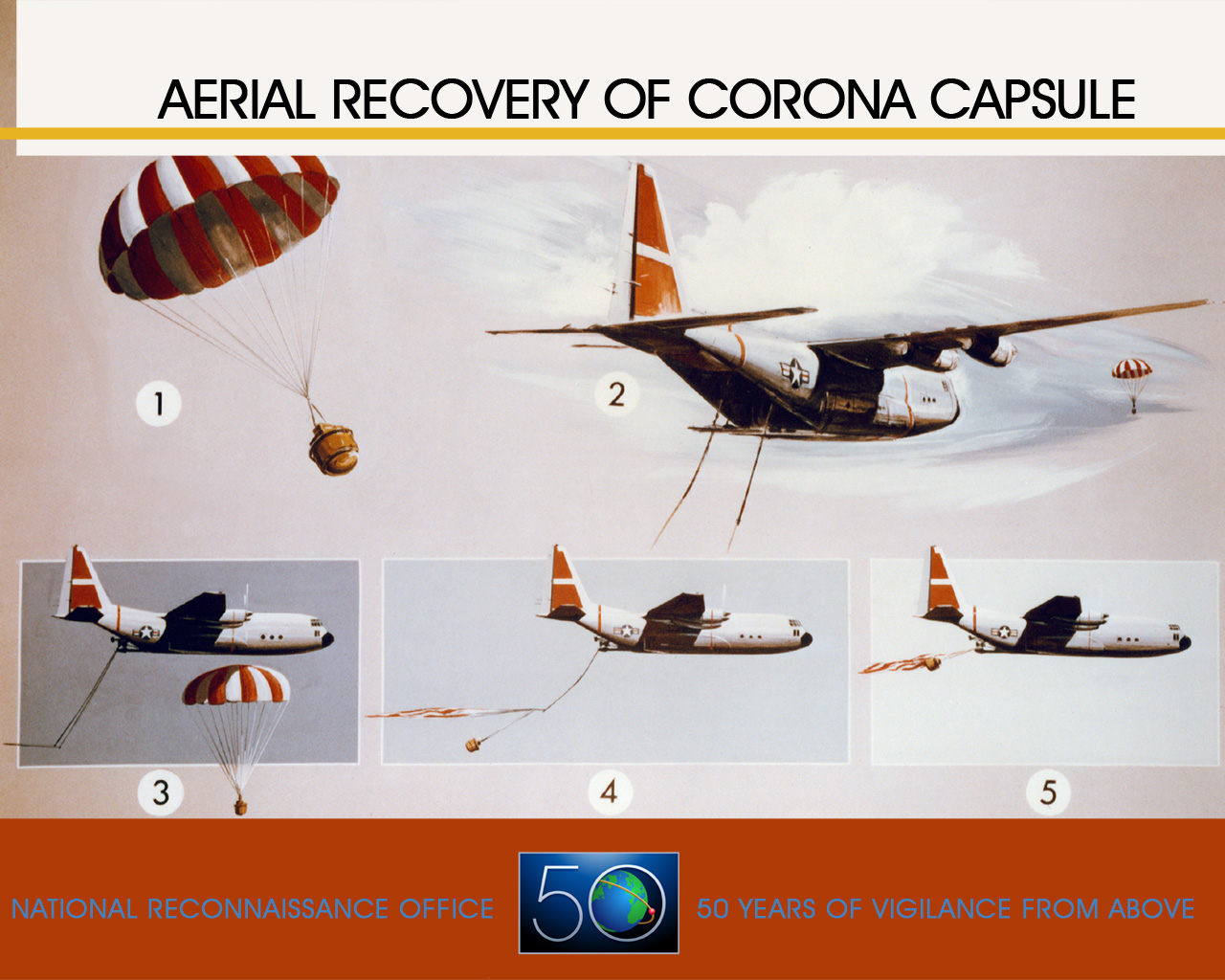
In 2009 Peter Janney did a series of interviews of Dino Brugioni-who was the ultimate subject matter expert for historical information concerning the establishment of NPIC and the Eisenhower policies related to national photographic interpretation technology, covering the iteration of the development of the U-2 and the then fledgling Corona Project that led to the replacement of penetrating airborne intelligence, surveillance and reconnaissance aircraft by film bucket return equipped photo reconnaissance satellites by the late 1950s.
During the interviews some discrepancies surfaced about the actions of Brugioni the weekend of the assassination in light of the published record of the ARRB interview of NPIC personnel-which did not include Brugioni.
Lingering accusations and scientific assessments of the Zapruder Film in the late 1990s and particularly early to mid-2000s had called into question the films provenance-outright calling the film “doctored-” by highly respected sources in the industry.
The above interviews disclosed puzzling and confusing aspects of Brugioni’s and NPIC’s involvement with the Zapruder Film that gained the attention of those looking into these matters.
Janney and Doug Horne interviewed Brugioni at his home in April 2011. On 28 April 2011 an interview was recorded to clarify the seeming discrepancies in the narrative about the NPIC support described in the ARRB final report and the Janney set of interviews.
Brugioni provided detailed information about his actions from about 10PM 23 November through about 0800 24 November 1963, culminating in his belief that Lundahl delivered the panels to Langley and he went home to sleep. It was never spoken of after that.
Horne described to Brugioni the interview narrative and testimony to the ARRB by NPIC’s McMahon and Hunter. Their story was of deep interest to the ARRB.
They were called to report to NPIC by Deputy Director US Navy Captain Pierre Sands late Sunday night 24 November 1963 about 9PM to meet a single, winky, winky SSA-“Bill Smith-” most definitely truly CIA-who had what was explained and understood to be the original 16mm Zapruder Film that he wanted to make briefing products from for their bosses.
They processed, projected and reviewed the film, identified the frames of interest to be printed and created 3 copies of the photographs that were built into three four panel briefing products. There were about 54 or so photographs used in the product, which were to be delivered to the CIA upon completion. They worked most of the night and completed the project in the morning on 25 November 1963, the day of JFK’s funeral.
Brugioni was stunned to hear this story: he knew nothing about it. As the NPIC on-call Duty Officer he should have been informed if such an action had taken place at NPIC: much like had been done on Saturday 23 November 1963 when he was called in to do-in effect-the same work.
Horne had pictures of the four-panel briefing product that was on display in local archives: Brugioni did not recognize them, and many of the pictures did not match what he had seen and remembered from the film that he reviewed.
For instance-the four-panel product contained only one frame of the so-called “kill shot” that showed the head shot.
In the original film according to Brugioni’s recollection, there was a ~white mist some 3-4 feet high over Kennedy’s head, and there was “body matter”-like pieces of skull-visible in the air, with multiple images of the sequence of events as one would expect on a motion picture recording.
While in this new panel there was only one picture-frame-313 which depicted not only a much lower trajectory of matter, but it was colored reddish-pink and lacked any artifacts like pieces of his skull.
The elephant in the room was obvious: somebody-in theory the SS-went to a lot of trouble and intrigue to redo the work that Brugioni did early that Sunday morning 24 November 1963. Using different people and a different film to build a different product without apparently notifying any of the NPIC senior staff except the Military Deputy.
Max Dribbler
24 March 2026
LSMBTGA: Lamestream media echo chamber (LMEC-L) social media (SM) big tech tyrants (BT,) government (G) and academia (A)
If you enjoyed this article, then please REPOST or SHARE with others; encourage them to follow AFNN. If you’d like to become a citizen contributor for AFNN, contact us at managingeditor@afnn.us Help keep us ad-free by donating here.
Substack: AmericanFreeNewsNetworkSubstack
TruthSocial:@AFNN_USA
Facebook: https://m.facebook.com/afnnusa
Telegram: https://t.me/joinchat/2_-GAzcXmIRjODNh
Twitter: https://twitter.com/AfnnUsa
GETTR: https://gettr.com/user/AFNN_USA
CloutHub: @AFNN_USA