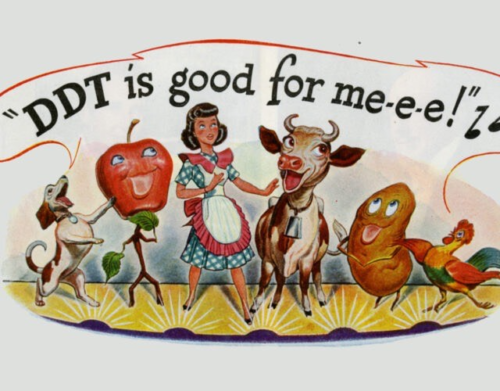
The polio epidemic that gripped the United States in the mid-20th century remains etched in history as a harrowing chapter of disease and public health challenges. However, recent revelations and research shed new light on the potential link between DDT (dichlorodiphenyltrichloroethane) and the misdiagnosis of polio cases during that era.
In the 1940s and 1950s, as the “polio epidemic” unfolded, outbreaks were notably clustered in regions with large commercial farms where DDT was extensively used as a pesticide. The timing of these outbreaks during the summer and early fall coincided with heightened DDT application and increased human exposure, particularly among children who frequented rivers, lakes, and streams contaminated with DDT runoff from agricultural activities.
What’s intriguing is that the symptoms of paralytic polio, a severe form of the disease, closely mimic those of DDT poisoning. Both conditions can cause muscle weakness, paralysis, respiratory difficulties, and neurological symptoms, leading to potential misdiagnosis and confusion among healthcare providers during the epidemic.
Further complicating matters was the widespread use and endorsement of DDT as a safe and effective pesticide, touted for its ability to control insect-borne diseases and improve agricultural productivity. The public perception of DDT as a panacea for pest control overshadowed potential health risks and unintended consequences, including its role in misdiagnosed polio cases.
 Recent studies and historical analyses have revisited the polio epidemic through a different lens, considering the environmental and toxicological aspects of DDT exposure. While definitive proof of DDT’s direct role in misdiagnosed polio cases is still debated, the circumstantial evidence and correlations raise intriguing questions about the interplay between pesticides, public health, and disease diagnosis.
The lessons from this historical perspective underscore the complexities of environmental health, the importance of rigorous scientific inquiry, and the need for caution in evaluating the long-term impacts of chemical substances on human health and ecosystems. As we reflect on past epidemics and health crises, the DDT-polio connection serves as a cautionary tale, urging us to prioritize evidence-based practices, environmental stewardship, and holistic approaches to public health challenges. And NEVER trust the Science…
If you enjoyed this article, then please REPOST or SHARE with others; encourage them to follow AFNN. If you’d like to become a citizen contributor for AFNN, contact us at managingeditor@afnn.us Help keep us ad-free by donating here.
Substack: American Free News Network Substack
Truth Social: @AFNN_USA
Facebook: https://m.facebook.com/afnnusa
Telegram: https://t.me/joinchat/2_-GAzcXmIRjODNh
Twitter: https://twitter.com/AfnnUsa
GETTR: https://gettr.com/user/AFNN_USA
CloutHub: @AFNN_USA