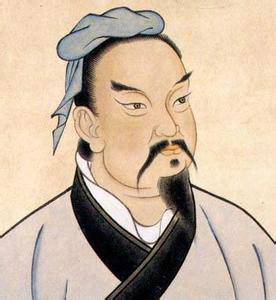
All warfare is based on deception. Offer the enemy a bait
to lure him… Be seen in the West and march out of the
East; lure him in the North and strike him in the South.
Drive him crazy and bewilder him so that he disperses his
forces in confusion.
~Sun Tzu, The Art of War
On 18 April 1988, the US Navy struck Iranian maritime targets in retaliation for the mining of USS Samuel B. Roberts and the wounding 15 Sailors. Operation Praying Mantis was the largest USN surface action since World War II, destroying 2 Iranian surveillance platforms, sinking 2 of their ships, and severely damaging another.
Until June 21, 2025, Operation Praying Mantis was also the only time the US smacked Iran for attacking Americans—which Teheran has been doing with impunity since it invaded sovereign US territory on Nov 4, 1979 and held our embassy staff hostage for 444 days.
Letting Iran get away with murder—quite literally—cost thousands of American lives and created a sense of invulnerability in the Islamic Republic. Operations Rising Lion and Midnight Hammer shattered the Mullahs’ might, reestablishing deterrence and escalation dominance.
Operation Midnight Hammer was an unprecedented attack years in the making—wrapped in secrecy, aided by skillful deception, and fueled by overwhelming surprise. B-2 Spirit bombers, flying from the US heartland, picking up fighter escorts and refueling assets enroute, dropped Massive Ordnance Penetrators (MOP) on two deeply-buried uranium enrichment plants—Fordow and Natanz—delivering a knockout blow to Iran’s nuclear ambitions. The USN bolstered the surprise with dozens of Tomahawk missiles, severely damaging another site, Isfahan.
The precision strikes devastated the Iranian nuclear program. Iran never detected the inbound jets, nor mustered a shot.
The operation—preceded by an equally bold and impactful Israeli Operation Rising Lion, which debilitated Iran’s leadership, air defenses, and ballistic missile arrays—demonstrated operational art unseen since Operation Desert Storm.
It appears that the Twelve Day War is now over. Like the 1967 Six Day War, it relied heavily on AirPower, surprise, denial, and deception. In both cases, the entire region—and the face of battle—were fundamentally transformed.
Yet, 6 years after that spectacular victory, on Oct 6th, 1973, surprise and deception upended the region once again. This time, it was Israel who was caught unawares by a devastating attack, masterfully executed by seemingly defeated foes.
Hopefully, Iran’s resolve—not merely its military might—were broken by Rising Lion and Midnight Hammer. Otherwise, the victory will be short-lived. Hubris and complacency would inevitably set in, creating an environment where the victorious initiators of surprise could become its next victims.
In my twenty years’ tenure as Professor of Military Strategy and Operations at the National War College, I tried to convey this experience to my students. Today, they’re the Nation’s topmost strategic leaders. These are the lessons I shared with them.
CHICK’S COMMANDMENTS LEARNED THE HARD WAY:
1. Always do a reality check—from your own perspective and the opponent’s. Reality has rough edges, ambiguities, discontinuities, shades of gray, etc. If everything is crystal clear, the opponent behaves just like you would in similar circumstances, and everything seems consistent with your best case scenario, YOU ARE PROBABLY BEING DECEIVED!
2. State your planning assumptions up front, clearly and explicitly. Make an honest effort to periodically revalidate your assumptions. Ensure you don’t confuse estimates with facts, or hopes/wishful thinking with viable courses of action (COA). Remember: ANY COA THAT RELIES ON MORE THAN TWO CONSECUTIVE MIRACLES AND VIOLATES MORE THAN ONE LAW OF PHYSICS ISN’T SUITABLE—EVEN AS A DECEPTION or FEINT.
3. Don’t fall in love with your plans. Don’t expect the opponent to cooperate. Have a branch/sequel to address the unexpected. Pay attention to what opponents and friends are saying and doing—especially if words and actions don’t match. DON’T DISCOUNT INDICATORS JUST BECAUSE THEY POINT TO THINGS YOU WOULD NEVER DO. THERE ARE NO UNIVERSAL STANDARDS OF RATIONALITY (OR STUPIDITY).
4. Put your arm around your intelligence officer and help them by asking the “right” questions—tell them what you need to know and why. But, be realistic. We’re yet to develop the ability to discern intentions. Don’t hesitate to ask how they know what they think they know. QUESTION THE BONA FIDES OF ANY INFORMATION—NO MATTER HOW COMFORTING, CONVINCING, OR HIGHLY CLASSIFIED.
5. You don’t know what you don’t know, and what you don’t know can kill you. Create a leadership climate that allows alternative viewpoints to be given a fair hearing. BEWARE OF GROUP THINK AND REMEMBER THAT HOPE IS NEVER A VIABLE COA. JUST BECAUSE SOMETHING NEVER HAPPENED BEFORE DOES NOT, BY ITSELF, PRECLUDE IT FROM HAPPENING. EVERY PRECEDENT WAS CREATED BY SOMEONE’S ACT OF COURAGE (or terminal stupidity).
6. Trust your instincts and be ready to pay the price that might incur. Warning and readiness measures are about being safe, not about being right. Don’t kill your staff for “crying wolf”—the third time they drag you out of bed at 02:00 might be to deal with a real disaster, not “just another exercise”.
7. Timely, unambiguous warning is nice to have, but don’t count on it. Don’t assume that appropriate decisions will automatically follow warning. You have a lot of latitude in your area of responsibility. DO WHAT’S RIGHT—EVEN IF YOU HAVE TO BET YOUR STARS ON IT.
8. Don’t be a victim. It sucks, even if you win. Never allow the initiator to exploit initial success. SURPRISE ONLY DETERMINES HOW THE FIRST BATTLES WILL BE FOUGHT, BUT IT’S UP TO YOU TO REVALIDATE THIS PRINCIPLE EVERY SINGLE TIME. DON’T LET SURPRISE AND DECEPTION DETERMINE FINAL OUTCOMES—unless, of course, you’re the initiator.
9. Don’t get complacent. HUBRIS KILLS. Surprise is the ultimate asymmetric approach because it exploits weaknesses and capitalizes on vanities.
10. GUILE ISN’T THE OPPOSITE OF VALOR—NOR A GOOD SUBSTITUTE FOR IT—BUT IT SAVES LIVES. Think and practice deception, denial and OPSEC. It might save lives—or at least be a pain for your opponent.
Dr Lani Kass served in the Department of Defense for 29 years. These views are her own.
If you enjoyed this article, then please REPOST or SHARE with others; encourage them to follow AFNN. If you’d like to become a citizen contributor for AFNN, contact us at managingeditor@afnn.us Help keep us ad-free by donating here.
Substack: American Free News Network Substack
Truth Social: @AFNN_USA
Facebook: https://m.facebook.com/afnnusa
Telegram: https://t.me/joinchat/2_-GAzcXmIRjODNh
Twitter: https://twitter.com/AfnnUsa
GETTR: https://gettr.com/user/AFNN_USA
CloutHub: @AFNN_USA
We are lucky Dr Lani Kass has shared her wisdom with us. She is a brilliant military strategist (among other wonderful traits). Great article and her “commandments” also translate into real life as well.
With all due respect and a hat-tip, Dr. Kass, I do have to submit a correction. Midnight Hammer was DECADES in the making, the culmination of generations of Strategic Air Command under Curtis LeMay and his disciples refining men, machines and methods so that America’s bomber force could absolutely devastate anything anywhere upon a Presidential decision to have them do so.
To give credit where credit is due requires we also acknowledge those now mostly gone Old Warhorses who spent their lives laying the foundations this mission was built on.
Freelance military historian over here, who once held aspirations of professorship. 🙂