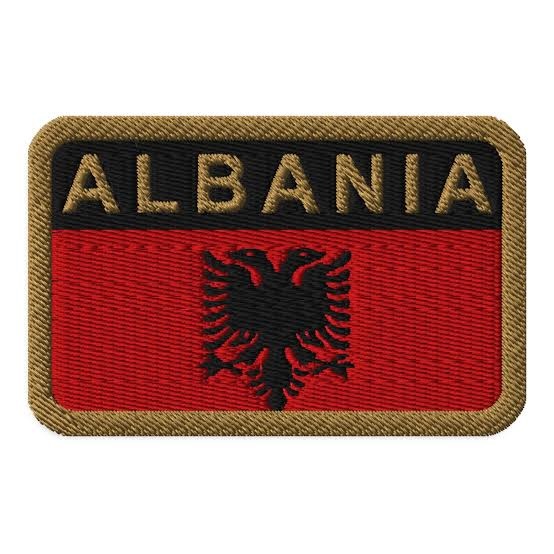
Participating in the US Army deployment to Albania in 1999 as part of Task Force Falcon, a NATO peacekeeping mission, provided a fascinating glimpse into the cultural and historical tapestry of the country. From its Muslim heritage to the remnants of communist-era mandatory physical training and ubiquitous concrete mushrooms, Albania offered a blend of tradition, resilience, and readiness among its citizens.
However, despite our preparedness and the presence of heavy M1 tanks, our mission to seize the Pristina Airfield in Kosovo ultimately ended in failure. The Russians, with their smaller 8-wheeled vehicles, outmaneuvered us and claimed the airfield before we could secure it. This turn of events led to a diplomatic incident when British General Jackson, under whose command we operated, contacted General Wesley Clark, the Supreme Allied Commander of NATO commander and Bill Clinton’s college roommate, to voice his frustration at the Russian actions.
General Clark, in response, instructed General Jackson to remove the Russians from the airfield with force if necessary! However, General Jackson, aware of the potential consequences and unwilling to escalate tensions, refused, stating, “No Sir. I’m not starting WW3 for you today.” This principled stand cost General Jackson his Command, he was immediately fired, but the Russians retained control of the airfield.
The outcome of our mission in Albania underscored the complexities and challenges of international peacekeeping efforts, especially in regions with competing interests and geopolitical dynamics. It highlighted the delicate balance between military preparedness, diplomatic negotiations, and the realities of avoiding escalation and conflict on a global scale.
The lessons from our mission in Albania will be vital for NATO’s peacekeeping operations after the Ukraine conflict. We need to balance military readiness, diplomacy, and cooperation to ensure stability and promote peace. Clear communication and understanding regional dynamics will be key in navigating post-war challenges and rebuilding efforts.
If you enjoyed this article, then please REPOST or SHARE with others; encourage them to follow AFNN. If you’d like to become a citizen contributor for AFNN, contact us at managingeditor@afnn.us Help keep us ad-free by donating here.
Substack: American Free News Network Substack
Truth Social: @AFNN_USA
Facebook: https://m.facebook.com/afnnusa
Telegram: https://t.me/joinchat/2_-GAzcXmIRjODNh
Twitter: https://twitter.com/AfnnUsa
GETTR: https://gettr.com/user/AFNN_USA
CloutHub: @AFNN_USA