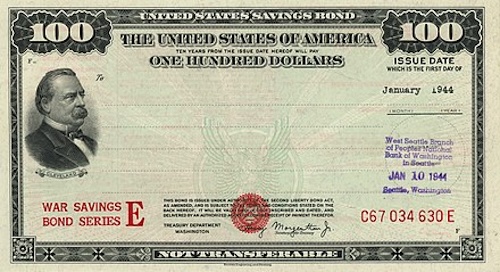
In the aftermath of World War II, the United States embarked on a remarkable effort to finance the war without burdening future generations with crippling debt. Instead of relying solely on borrowing through mechanisms like national debt and “credit cards,” the government introduced war bonds as a means for citizens to directly contribute to the war effort. This approach not only raised necessary funds but also instilled a sense of fiscal responsibility and sacrifice in the American people.
War bonds, also known as Victory Bonds, were essentially investment instruments through which individuals could purchase government securities to finance the war. This strategy allowed Americans to actively participate in supporting their country’s defense without relying solely on government borrowing. It was a tangible way for citizens to show solidarity and contribute directly to the war effort, fostering a sense of national unity and shared sacrifice.
Unlike today’s prevalent reliance on credit and debt financing, the war bonds initiative reflected a different ethos—a willingness to make personal sacrifices for the collective good. Citizens understood that funding the war effort required financial discipline and contributions from every sector of society. This mindset of fiscal responsibility and commitment to national priorities was a hallmark of the post-WWII era.
Moreover, the success of the war bonds program demonstrated the power of collective action and shared responsibility. Americans from all walks of life, regardless of income or background, participated in purchasing war bonds, showcasing a spirit of unity and patriotism. This shared effort not only funded the war but also laid the foundation for post-war economic prosperity and growth.
Looking back at the era of war bonds, we are reminded of the virtues of fiscal prudence, sacrifice, and collective responsibility. It serves as a stark contrast to the current trend of excessive borrowing, wasteful spending, and passing on financial burdens to future generations. As we reflect on this historical example, there are valuable lessons to be learned about the importance of fiscal discipline, sustainability, and ensuring that our actions today do not compromise the well-being of generations to come.
If you enjoyed this article, then please REPOST or SHARE with others; encourage them to follow AFNN. If you’d like to become a citizen contributor for AFNN, contact us at managingeditor@afnn.us Help keep us ad-free by donating here.
Substack: American Free News Network Substack
Truth Social: @AFNN_USA
Facebook: https://m.facebook.com/afnnusa
Telegram: https://t.me/joinchat/2_-GAzcXmIRjODNh
Twitter: https://twitter.com/AfnnUsa
GETTR: https://gettr.com/user/AFNN_USA
CloutHub: @AFNN_USA