The Overthrow of the Hawaiian Monarchy and the Rise of the Dole Plantation
The history of the pineapple is intricately woven with the political and economic transformations that shaped modern Hawaii. Originally native to South America, pineapples were cultivated by indigenous peoples long before European explorers encountered them. The fruit made its way to Europe in the late 15th century, and by the 18th and 19th centuries, it had become a symbol of wealth and exotic luxury. However, it was in Hawaii that the pineapple would find its most significant role, both economically and politically.
Hawaii, an independent kingdom in the Pacific, experienced profound changes in the late 19th century. The Hawaiian monarchy, established by King Kamehameha I in 1795, ruled over a unified archipelago. By the late 1800s, however, increasing numbers of American and European settlers had arrived, driven by the lucrative prospects of sugar and pineapple plantations. These settlers gradually amassed economic and political power, often at the expense of the native Hawaiian population and its leadership.
In 1893, this growing tension culminated in the overthrow of Queen Lili’uokalani, the last reigning monarch of Hawaii. A group of American and European business interests, supported by the U.S. government, orchestrated the coup. The motives behind the overthrow were largely economic, aimed at securing favorable trade conditions and expanding agricultural enterprises. The coup led to the establishment of the Republic of Hawaii, which was subsequently annexed by the United States in 1898. This annexation effectively ended Hawaii’s sovereignty and integrated it into the expanding American empire.
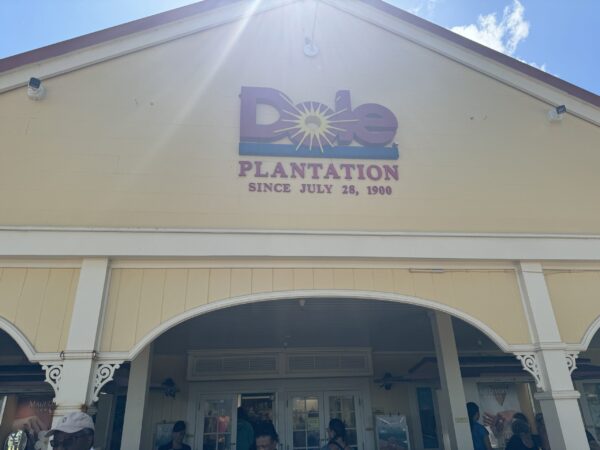
In the early 20th century, the pineapple industry in Hawaii saw significant developments, particularly with the establishment of the Dole Plantation. James Dole, an enterprising American, founded the Hawaiian Pineapple Company in 1901. Dole’s vision and business acumen transformed pineapple cultivation from a modest agricultural endeavor into a major industry. He implemented large-scale farming techniques, modernized processing facilities, and aggressively marketed Hawaiian pineapples to the mainland United States and beyond. The success of Dole’s enterprise turned pineapples into one of Hawaii’s primary exports and a symbol of the island’s agricultural wealth.
The rise of the Dole Plantation and the economic boom it brought, however, came at a cost. The pineapple industry’s success relied heavily on immigrant labor, with workers from Japan, the Philippines, and Portugal toiling under harsh conditions. This labor exploitation underscored the broader injustices that accompanied the political and economic transformations of the era. The overthrow of the Hawaiian monarchy and the establishment of large plantations like Dole’s marked a period of profound change, where the interests of American and European settlers reshaped Hawaii’s social, economic, and political landscape. Today, the legacy of these events continues to influence Hawaii, reflecting a complex history of cultural exchange, economic development, and political struggle.
If you enjoyed this article, then please REPOST or SHARE with others; encourage them to follow AFNN. If you’d like to become a citizen contributor for AFNN, contact us at managingeditor@afnn.us Help keep us ad-free by donating here.
Substack: American Free News Network Substack
Truth Social: @AFNN_USA
Facebook: https://m.facebook.com/afnnusa
Telegram: https://t.me/joinchat/2_-GAzcXmIRjODNh
Twitter: https://twitter.com/AfnnUsa
GETTR: https://gettr.com/user/AFNN_USA
CloutHub: @AFNN_USA