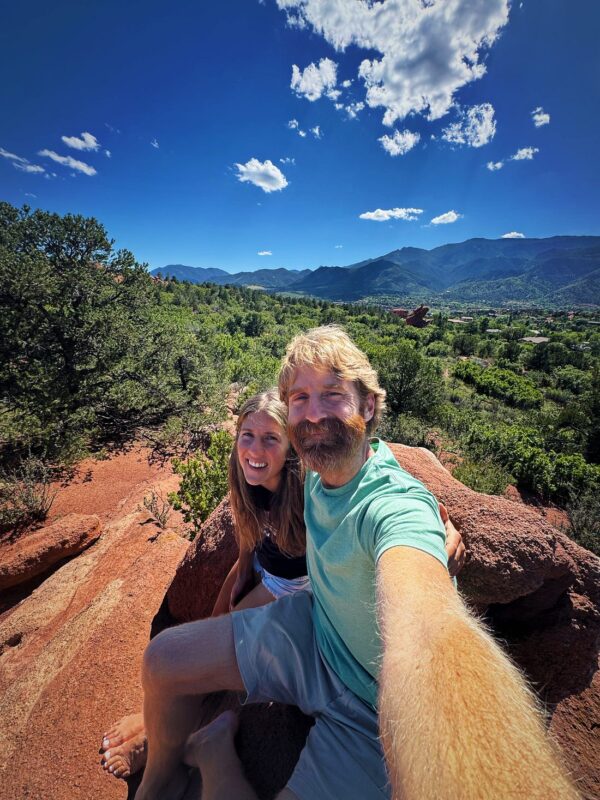
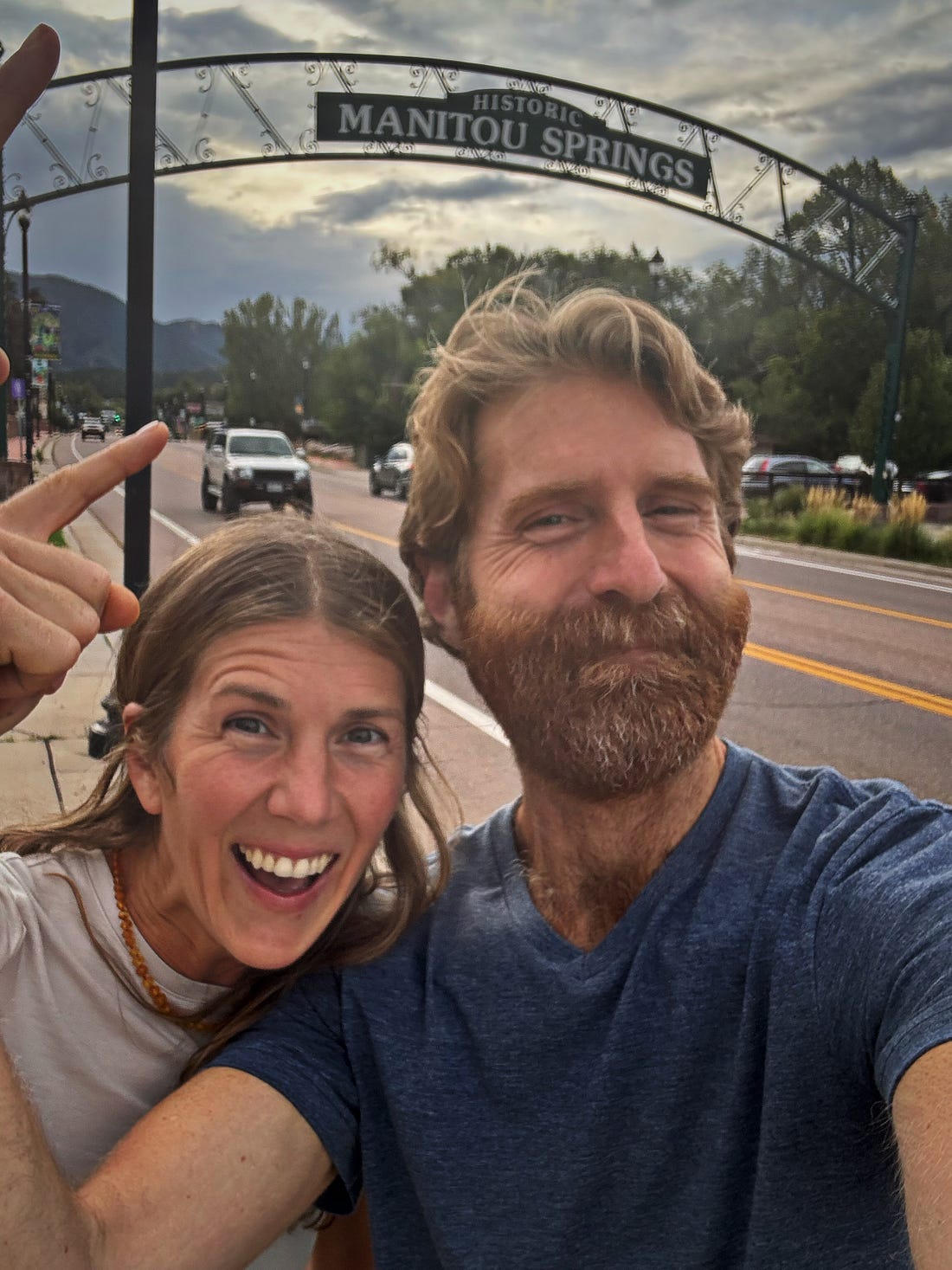
Morning in Manitou Springs, Colorado. My sister and I have a rental cabin located near the base of Pikes Peak. I am sitting on a picnic table outside our cabin, drinking crappy instant coffee, finishing my third chocolate bar.
My sister brought the chocolate. It’s artisan chocolate. She is asleep in the cabin right now. She’s not going to be happy when she awakes and finds out I’ve eaten all her fancy chocolate. I will undergo one of her famous improvised gender reassignment operations.
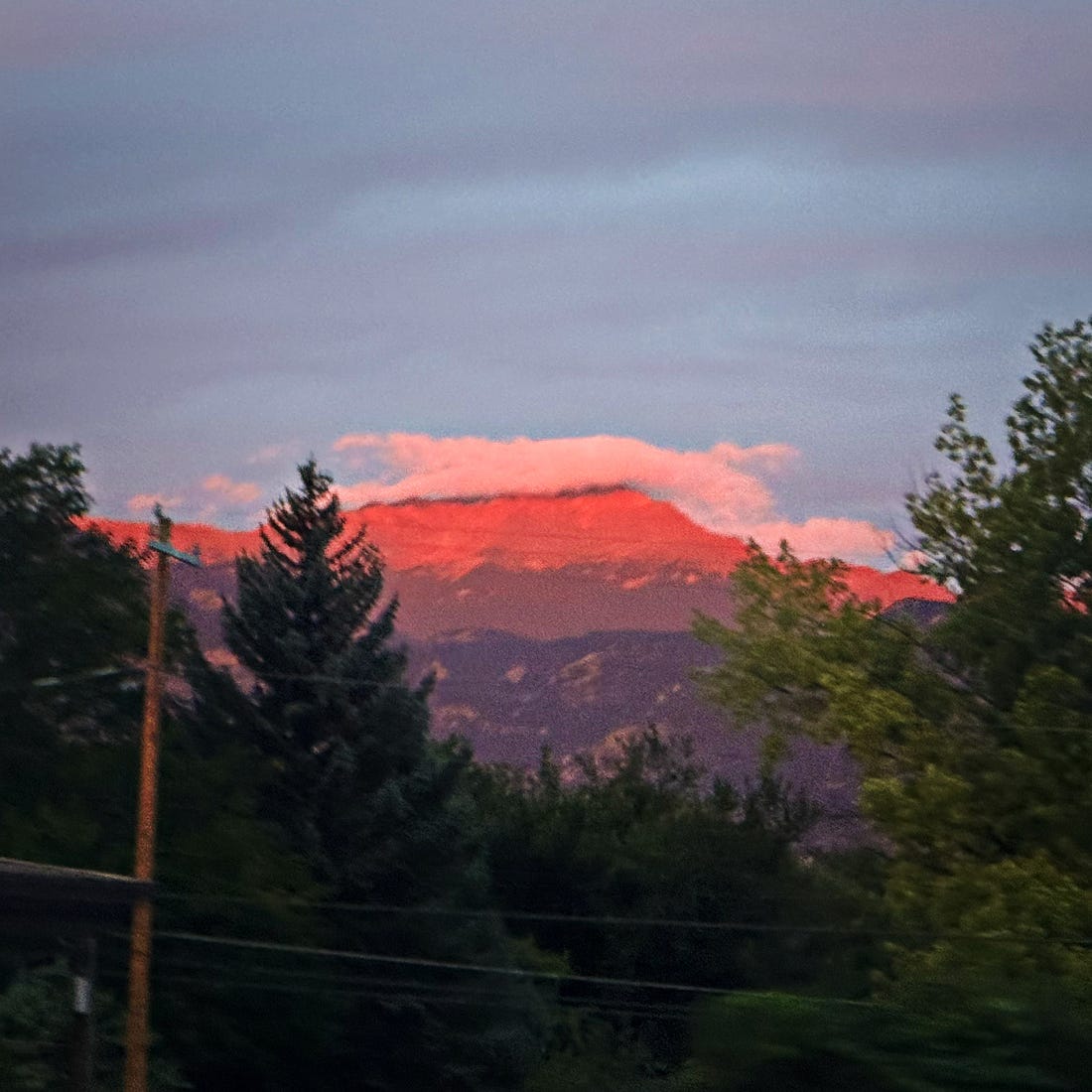
I can see Pikes Peak in the distance. The mountain looks significantly bigger than I remember. About 14,115 feet bigger to be exact.
We scattered my father’s ashes up there when I was 11. It was a bad day for me. There were a lot of emotions that fateful afternoon.
The predominant emotion was, of course, altitude sickness. Thanks to the thin air, I could not feel my face, my hands were numb, I was spacey, and I was pretty sure I’d seen Abraham Lincoln and Alexander the Great in the gift shop.
Also, there was anger. I was mad. At everyone. At everything. At circumstances. At life. And, most importantly, at Major League Baseball players, who were currently on strike that year. I was just mad all over. And I stayed like that for about 21 years.
 |
In my defense, I had a lot to be mad about. My dad was in his prime when he shot himself by inserting the barrel into his mouth. He was healthy. He was smart. He was a marathon runner. He ran this mountain every year.
And then. One day. Bang. Over.
On the day of his scattering, I was supposed to recite the 23rd Psalm atop the mountain as we upended his ashes. But I never finished reading the Psalm. I couldn’t. I was feeling too poorly. Besides, I didn’t want to read Psalms. “Screw the Psalms,” I think were my exact words.
Actually, I think I said something even worse.
So anyway, I’ve sort of been a runner ever since that pubescent period of my life. I think I was looking for a way to connect with my late dad, and running was a way to do that without actually being vulnerable. I didn’t know how to connect with a dead man. And, truthfully, I didn’t know why I even wanted to.
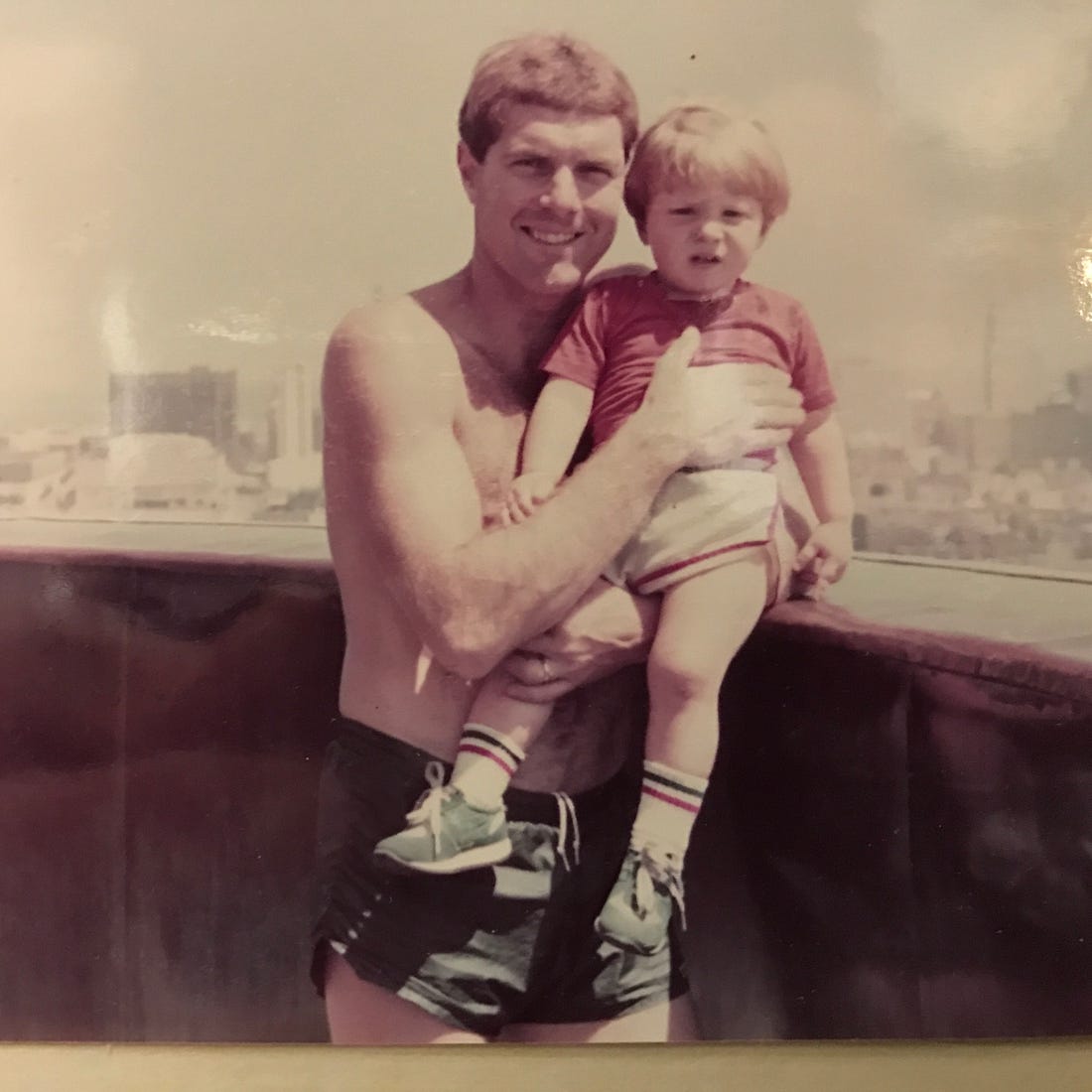 |
His family sort of disowned us. They didn’t intentionally do this. It just happened. All his pictures were taken down in our house. We quit talking about him. I forgot him. So all I had left was running.
Running was the most important thing he’d ever done. He took the sport so seriously. When I was a boy, in the mornings, the old man would suit up for his pre-dawn runs and I’d ask dumb kid-questions while I silently idolized him.
“Is running difficult?” I once asked.
“You bet,” he said.
“Why do you do it?” I’d say.
He laughed. “Sometimes, honestly, I don’t know why. Guess it makes me feel good?”
“Good? It looks miserable.”
“It makes me feel like I’m alive.”
“Have you ever felt like you couldn’t finish a race?”
“Yes. But I always keep trying.”
“Why?”
He finished tying his shoe. “Because, what do I always tell you? What’s even more important than finishing?”
“Trying?”
“Damn right.”
He died in September. I began running one blustery October. Running gradually took over my life. It became an obsession. Granted, I am a terrible athlete and a dreadfully slow runner. How slow am I? During marathons I carry pocketfuls of bird food for the buzzards.
Still, I have been training to run up my father’s mountain for months now. I’ve been running hill-repeats, running during the heat of the day, doing endurance workouts to prepare. I’ve been jogging bleachers, hotel stairwells, and trying to wrap my head around the enormity of this summit.
With each step, on each run, during each moment of pain, I have tried to cultivate forgiveness. I’ve almost given up a few times with my forgiveness practice. But someone once told me the most important thing was to keep trying.
“I release you,” I often tell my dad through sweat and tears, as I trot forward. “You owe me nothing.”
I realize this doesn’t seem like a big deal. But I try to reiterate this as I run. Not only to him. But to myself.
“I cancel your debt to me!” I’ll sometimes shout while running a desolate country road. “Do you hear me?! Your debt is paid in full! So go and be happy, wherever you are!” The buzzards get very excited when I shout.
 |
But as I look at Pikes Peak this morning, I’m not sure whether I’ll make it to the summit. What the heck am I doing out here? Am I being stupid? I am from the lowlands of Alabama, not Colorado.
Pikes Peak sits a mile and a half above Earth’s surface. At high altitude, your body starts shutting down. First, there is hyperventilation. Arterial hypoxia signals your brain to breathe faster and deeper. This expels more carbon dioxide which raises blood pH. Which causes a runner to feel like he is undergoing seeriuss drain bamage.
Then you have an elevated heart rate. Your heart tries to compensate for low oxygen. You get dizzy. Your hands swell. Sometimes your lungs fill with fluid. Brain fog can make you lose consciousness. Sometimes people puke. Other times they get nuclear diarrhea.
All the while, the air keeps getting colder and drier the higher you climb. Your heavy breathing causes high-altitude diuresis, which causes your kidneys to dump fluid. You dehydrate in mere hours.
That’s not to mention the risk of hypothermia. Or injury. Or the wild animals like territorial mule deer, wolves, dangerous cougars, and prairie rattlesnakes. Lions and tigers and bears.
I am interrupted from my thoughts.
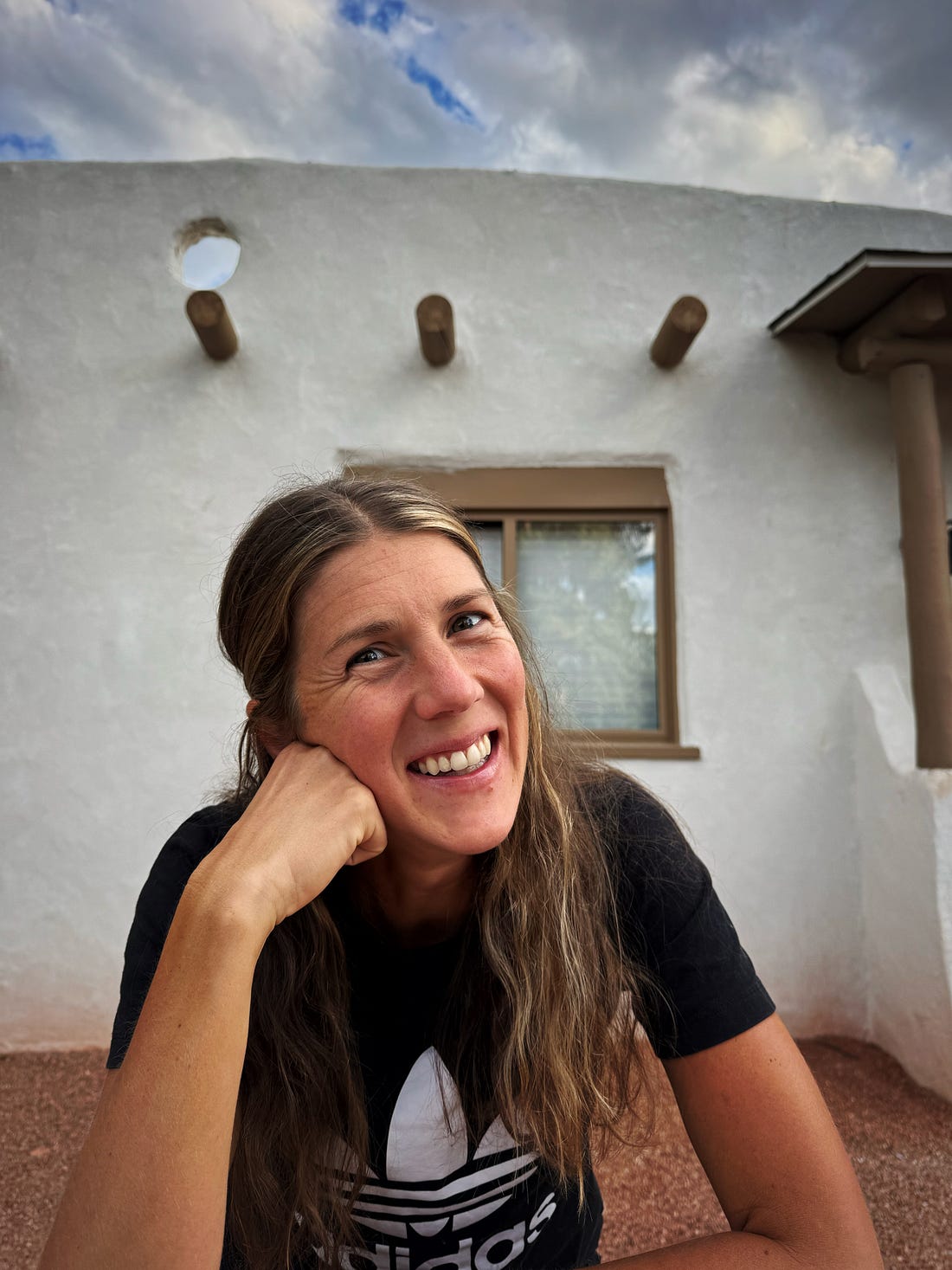
My sister wakes up. She staggers out to the cabin porch and sits at the picnic table to watch the sunrise with me. Her hair is a mess. Her eyes, boogery. Breath that could kill small woodland creatures.
She looks so young. Although she is 38 years old, I do not see a grown woman before me. I see a kid. The little girl who was too young to understand how Daddy was now made of ashes. Too young to know how to hold back the tears during funerals. Too innocent to be mad at the world like her big brother used to be.
 |
A girl who used to be too scared to sleep alone after my father’s funeral—I slept at the foot of her bed, on the floor, for six years. I see the girl I taught to drive. The girl I gave away at her wedding. I see the most beautiful thing my father ever made before he left this world. And I actively forgive him for abandoning her.
“Do you think we should be doing this?” she says.
“Probably not.”
“We have today to acclimate to the altitude, but is that enough time?”
“Doubt it.”
“Is this stupid?” she asks, glancing upward at the mountain.
“Yes,” I say. “But we’re going to do it anyway.”
She nods.
“Damn right,” she says.
Then we put our arms around each other. We touch our foreheads together. We close our eyes. Then, she speaks in a low, confident, empowered voice. The kind of voice that takes years of heartbreak to develop.
“What have you done with my chocolate?” she says.
 |
Questions: SeanDietrich@gmail.co
Visit the Sean of the South Website
Find out where you can see Sean live.
Originally published on Sean’s website. Republished here with permission.
If you enjoyed this article, then please REPOST or SHARE with others; encourage them to follow AFNN. If you’d like to become a citizen contributor for AFNN, contact us at managingeditor@afnn.us Help keep us ad-free by donating here.
Substack: American Free News Network Substack
Truth Social: @AFNN_USA
Facebook: https://m.facebook.com/afnnusa
Telegram: https://t.me/joinchat/2_-GAzcXmIRjODNh
Twitter: https://twitter.com/AfnnUsa
GETTR: https://gettr.com/user/AFNN_USA
CloutHub: @AFNN_USA