Dan Hoffman: This was a MASSIVE intel failure

Fox News contributor Dan Hoffman discuss the latest on the investigation into the attempted hijacking on a FlyDubai flight bound for Israel during ‘Fox News Live.’
Citizen Writers Fighting Censorship by Helping Americans Understand Issues Affecting the Republic.
Fox News contributor Dan Hoffman discuss the latest on the investigation into the attempted hijacking on a FlyDubai flight bound for Israel during ‘Fox News Live.’
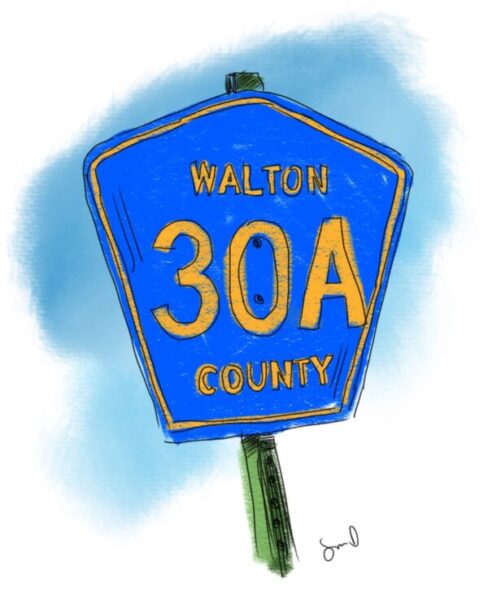
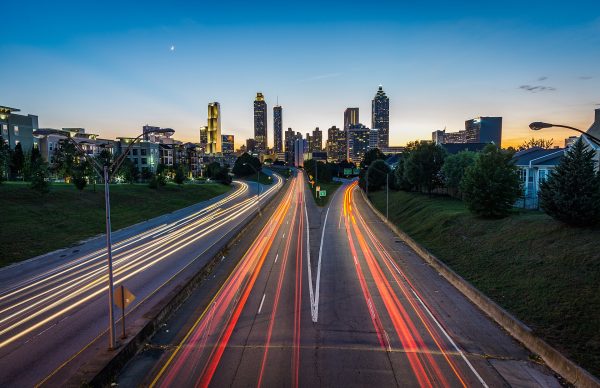
I came into town driving on Highway 331. The sun was setting. The sky was pink. The first thing I saw was the bay of my youth, and I almost started to cry tears of nostalgia.
Whereupon a motorist in a Range Rover traveling upwards of 190 mph tried to run me off the bridge and into the bay water.
Welcome home.

It was a crowded airport. I was between layovers. I sat at the airport bar.
The man beside me was nursing a cold beverage. I ordered a beverage, too, but I realized I had forgotten my wallet. It was in my checked bag. I had been fiscally castrated. I was penniless.
The waitress brought me ice water.
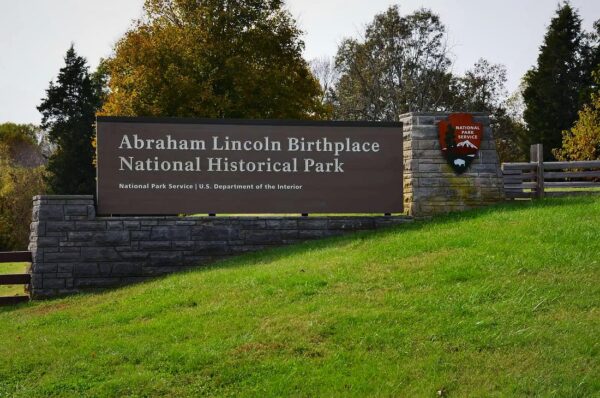
Hodgenville, Kentucky, looks like your all-American postcard town. Brick storefronts. Flawless Colonial houses. No flamingos in the yards. The kind of place where you’d expect to find Jimmy Stewart working at the drugstore soda fountain, and kids playing hopscotch on the sidewalk.
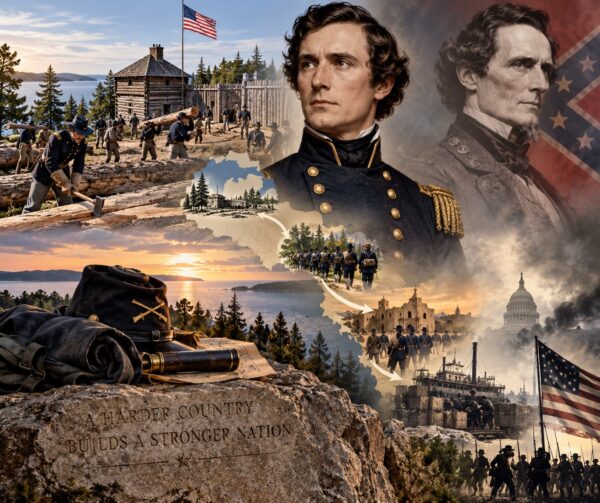
In 1844, the U.S. Army sent a West Point graduate and a couple companies of infantry to the very tip of Michigan’s Keweenaw Peninsula to keep order during America’s first great copper rush. Captain Robert Emmet Clary and his soldiers arrived in the wilderness, built most of a fort in five months, and then watched history move somewhere else when war with Mexico began. But Clary’s story gets even better: his West Point classmate—and reportedly his wedding best man—was Jefferson Davis. Three decades later, Davis headed the Confederacy while Clary remained loyal to the Union and earned brevet promotion to brigadier general for his Civil War service. Fort Wilkins is a wonderfully obscure reminder that long before Gettysburg, some remarkably tough Americans were already busy building this amazing country.
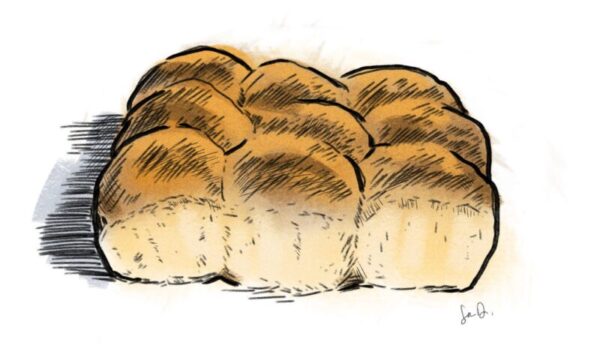
Foley, Alabama. It’s an overcast day at the beach. Lambert’s Cafe is already busy this morning, and they aren’t even open yet.
There is a small line forming outside the front doors. Lambert’s opens at 11 a.m., but We the People are ready at 10:48. We stand outside among a small group of tourists, ready to eat ourselves into type II diabetes.
For the unbaptized, Lambert’s is home of the throwed roll.
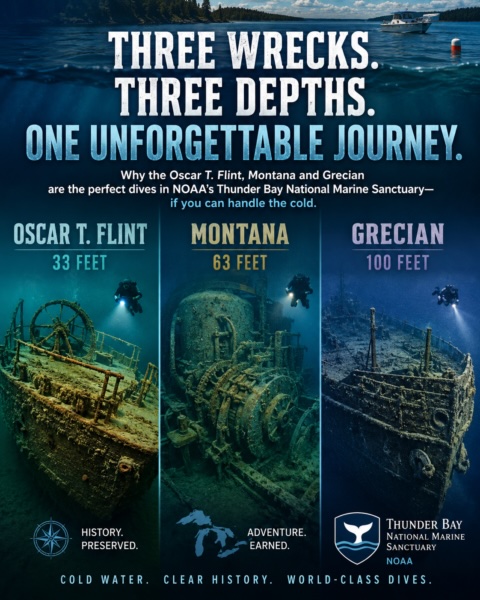
There are places where the water is warm, the reefs are colorful, and every dive feels familiar. Then there’s Thunder Bay. Hidden beneath the cold, crystal-clear waters of Lake Huron lies one of North America’s greatest collections of preserved shipwrecks, where history is measured not in museums, but in feet of depth. From the beginner-friendly “Oscar T. Flint” at 33 feet, to the towering machinery of the “Montana” at 63 feet, and finally the legendary “Grecian” resting around 100 feet below the surface, few places offer such a perfect progression for recreational divers. The only catch? You have to embrace the cold—but those who do are rewarded with an underwater time capsule unlike anywhere else in the world.
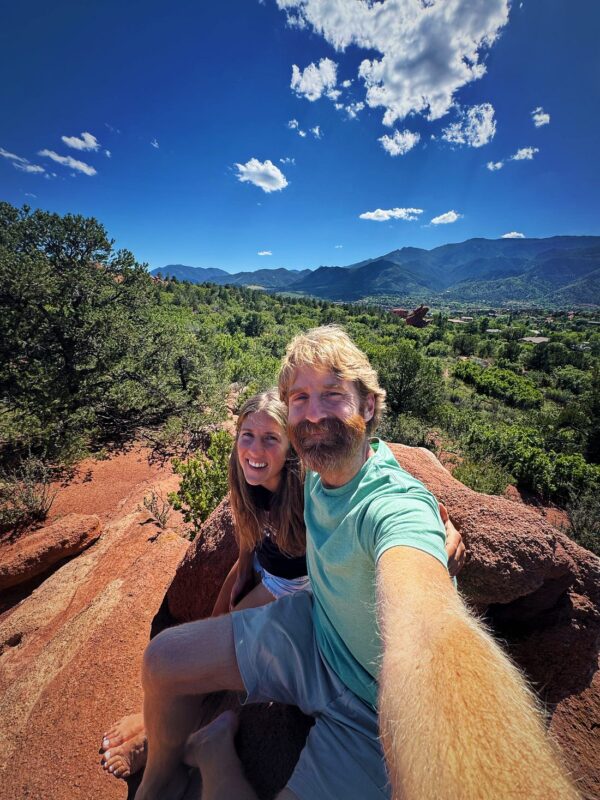
3:42 a.m.—Three hours before sunrise. Sarah and I are awake. Sort of. We begin our marathon route in the hamlet of Manitou Springs, a town where everything is organic, even the Subaru exhaust.
We start our journey alone, in front of the little courthouse, the official starting line of the Pikes Peak Marathon. Before we begin running, we hug each other tightly.
“We’re doing this,” we say before we sprint off into the silent streets.
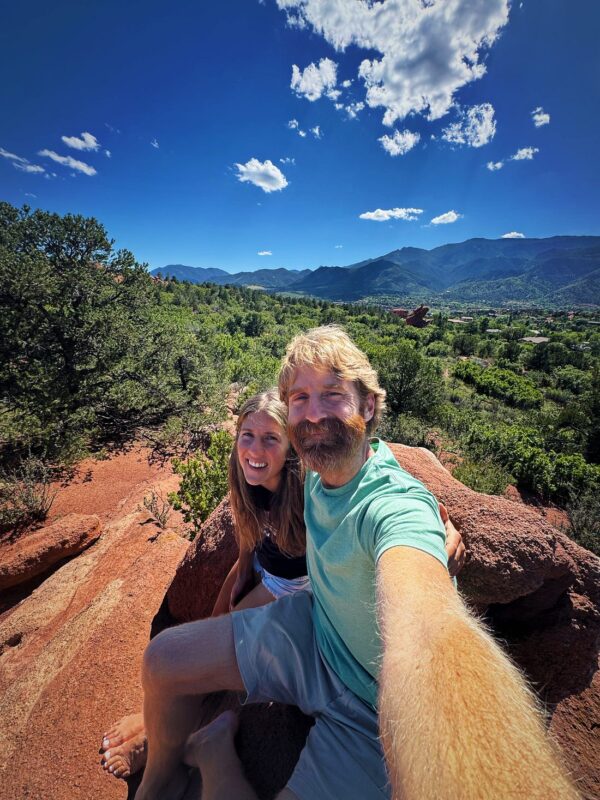
Morning in Manitou Springs, Colorado. My sister and I have a rental cabin located near the base of Pikes Peak. I am sitting on a picnic table outside our cabin, drinking crappy instant coffee, finishing my third chocolate bar.
My sister brought the chocolate. It’s artisan chocolate. She is asleep in the cabin right now. She’s not going to be happy when she awakes and finds out I’ve eaten all her fancy chocolate. I will undergo one of her famous improvised gender reassignment operations.
This is a big trip for me and my sister. We are visiting Pikes Peak to see my dad. And it’s going to be big.
The first thing you should know about my sister Sarah and me is that we like people. It’s just who we are. She and I are both what you’d call extreme “people people.” My father was a people person. And we definitely got his genes.

Reagan National was a perfectly reasonable airport when it opened in 1941. Eighty-five years later, we’ve packed commercial jets, military helicopters, presidential transportation, restricted airspace and national-security missions into the same tiny patch of sky—and the warning signs are getting difficult to ignore. After 67 deaths, an emergency airspace redesign, repeated communications failures and a Marine One separation incident, perhaps the problem isn’t the latest procedure or antenna. Perhaps Washington’s convenience has simply outlived the acceptable risk.

Libertarians and limited government/free market-oriented conservatives should be thrilled about what is happening in Latin America generally and in Argentina in particular. The latter lit the fuse to the Revolution that is now engulfing the former. The Liberty Movement spearheaded by Javier Milei, by melding sound governance and politics, is defeating socialism and spreading freedom …
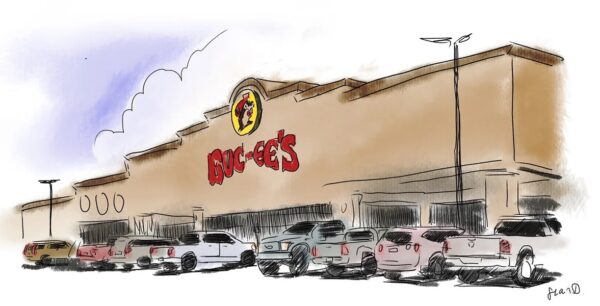
Buc-ee’s convenience store sits outside Athens, Alabama, like a giant squatting beaver.
This Texas-based gas station place is not a mere gas station. Buc-ee’s is a dwarf planet. You’re looking at Six Flags Over Circle K.
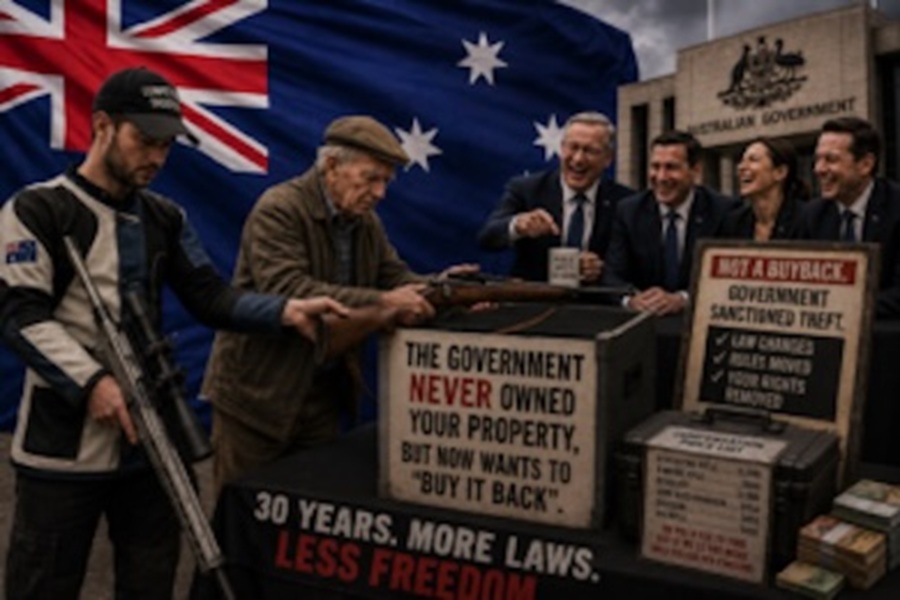
Australia’s latest firearm reforms raise a question that reaches far beyond guns: when does regulation become permission? Thirty years after the Port Arthur reforms, law-abiding Australians who followed every rule are discovering that Parliament can simply move the legal line beneath their feet. Yesterday’s registered property can become today’s prohibited property—not because the owner changed, but because the law did. Supporters call it public safety. Critics see a government that increasingly decides what citizens may own, what it’s worth, and under what conditions they must surrender it. The real debate isn’t over rifles. It’s over whether rights are inherent… or merely temporary permissions granted by the state.

There are, conservatively, a trillion problems a day that arise in the United States. I would, as a conservative, like government involved in as few of them as possible.
But because government at all levels is so huge? It crowds out all the private spaces – and with them the perception that private solutions are possible.
I am sitting at my airline gate. I have been waiting here since the Peloponnesian Wars. I am people-watching because there is nothing else to do while I wait for my plane. The main person I am watching is a guy in the seating area. He is maybe mid-80s. With him are six children. He appears to be the sole adult in their company. There are no other grownups with him.
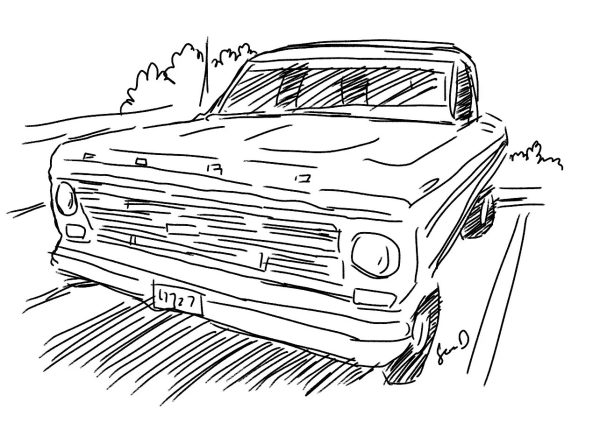
It was late. I was leaving South Carolina, where I’d just made a speech in Columbia. I had an all-night drive ahead of me.
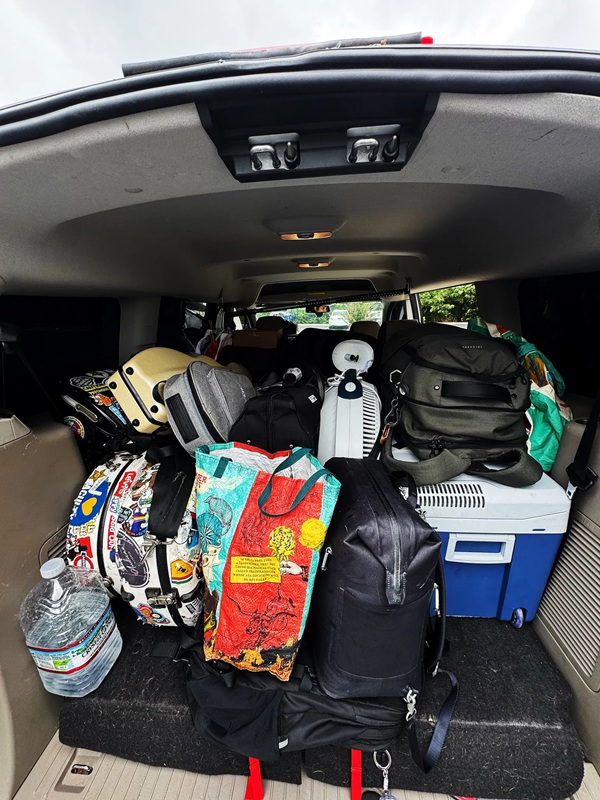
We sped through Amish country on our way to meet our friend Kris at a restaurant called “Funck’s.” My wife, Jamie, was convinced the name of this restaurant was an unfortunate typo.
Automobile-pulled travel-trailers have been around almost as long as passenger trains. But locomotive rail travel is nearly extinct due to excessive government regulations, freight traffic conflicts and costs. Time might be right for creating Travel-Trailer-Trains – coupling together multiple travel-type trailers that have been made into full trailers (wheels at each end).
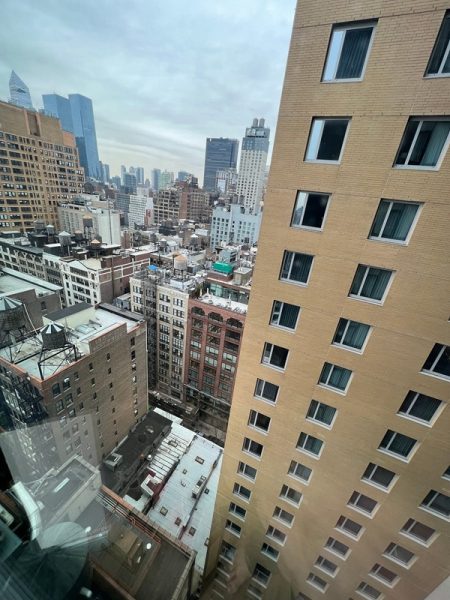
We arrived in New York City and tried our best to avoid the chaotic crowds of pedestrians downtown. But this proved to be difficult inasmuch as our cab driver was driving on the sidewalks. We tried to ask him to slow down, but he was too busy on a video call.