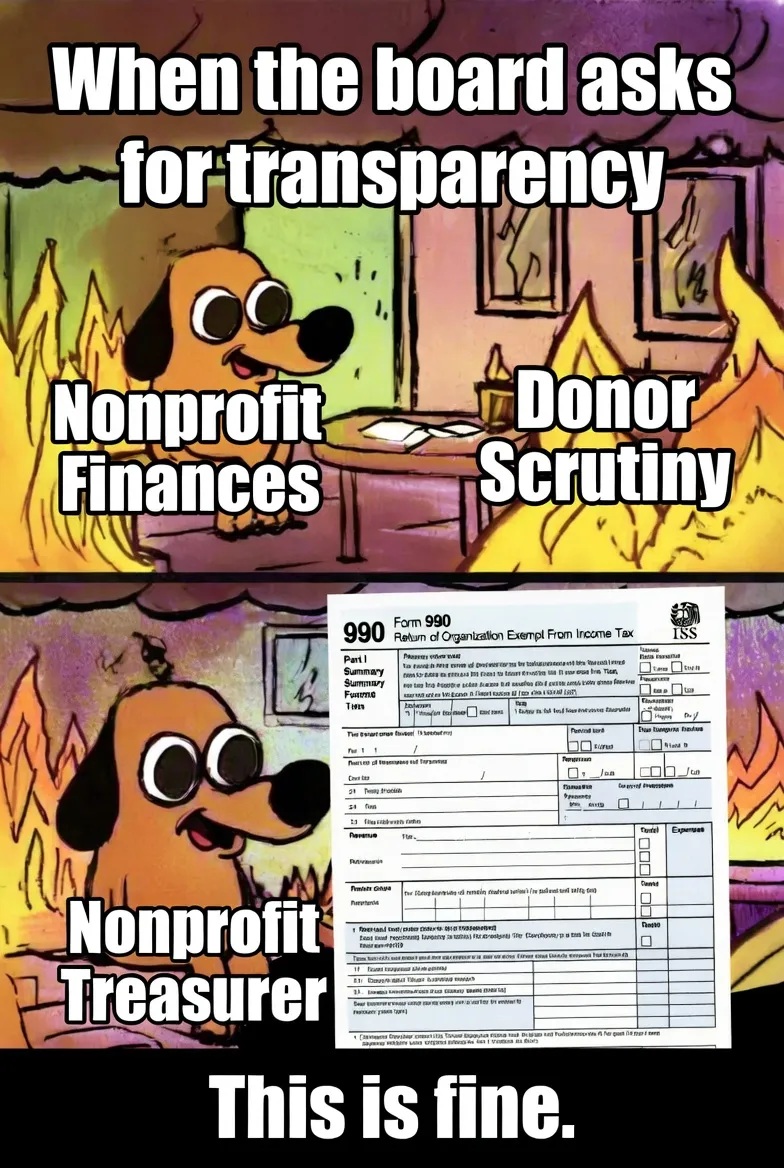
Obfuscating Money in Politics: McCain-Feingold, USAID, and the NGO Network
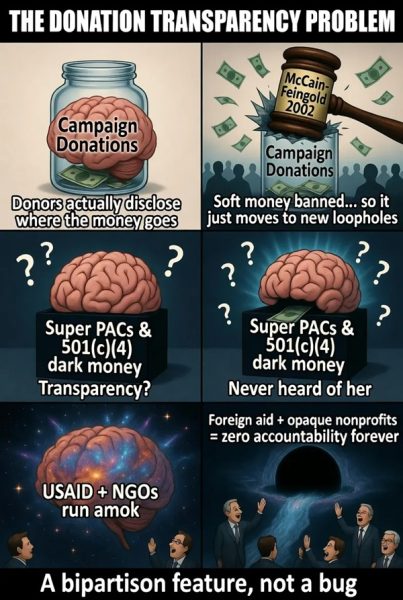
The debate over money in politics is defined by a core tension between the ideals of transparency, privacy, and mandated disclosure. Proponents of robust transparency and disclosure requirements (especially America Firsters) argue that voters have a fundamental right to know who is funding candidates, parties, and issue advocacy, as undisclosed “dark money” from wealthy individuals, corporations, unions, or foreign-linked entities can distort democratic outcomes, enable corruption or undue influence, and facilitate implementation of leftwing policies funded by US taxpayers without authorization or scrutiny. They push for lower reporting thresholds, real-time disclosures, and the closing of loopholes like super PACs and 501(c) organizations to let sunlight act as a disinfectant.