Trump learned, DC didn’t: Why the second presidency rocks.
Trump learned, DC didn’t: Why the second presidency rocks. What Trump learned from being 45, he is applying as 47.
Citizen Writers Fighting Censorship by Helping Americans Understand Issues Affecting the Republic.
Trump learned, DC didn’t: Why the second presidency rocks. What Trump learned from being 45, he is applying as 47.
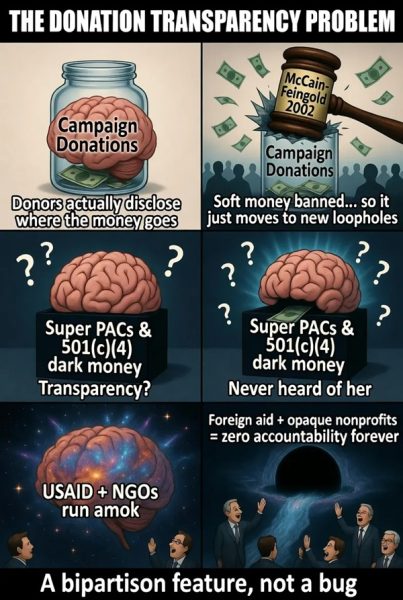
The debate over money in politics is defined by a core tension between the ideals of transparency, privacy, and mandated disclosure. Proponents of robust transparency and disclosure requirements (especially America Firsters) argue that voters have a fundamental right to know who is funding candidates, parties, and issue advocacy, as undisclosed “dark money” from wealthy individuals, corporations, unions, or foreign-linked entities can distort democratic outcomes, enable corruption or undue influence, and facilitate implementation of leftwing policies funded by US taxpayers without authorization or scrutiny. They push for lower reporting thresholds, real-time disclosures, and the closing of loopholes like super PACs and 501(c) organizations to let sunlight act as a disinfectant.

On June 24, 2026, two earthquakes hit Venezuela back-to-back. They registered 7.2 and 7.5, numbers that are pretty high on the Richter scale. The military sent in the Marines (and other branches). The State Department worked with charities such as Samaritan’s Purse, World Vision and Catholic Relief Services to avoid the confusion that occurred in the successful response to the January 12, 2010, earthquake in Haiti.
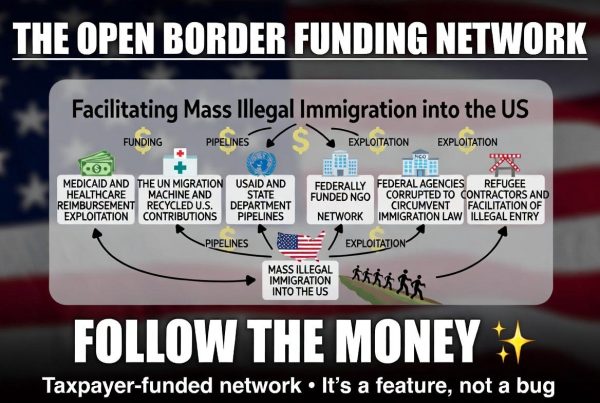
A deliberate, multi-layered system was assembled over decades by the Democrat Party and its various allies and dramatically expanded between 2021 and 2025 through which U.S. taxpayer dollars, recycled foreign contributions, and dark-money campaign finance were deployed to facilitate mass illegal immigration, entrench the illegal alien population against removal, and sustain the political coalition responsible for building the system in the first place.

Though a number who work at USAID have good intentions and do good work, the agency has become corrupt, partisan, and ideological particularly the end of the Cold War.

Ah, USAID—the benevolent Uncle Moneybags of international development, generously sprinkling American tax dollars across the globe like confetti at a New Year’s Eve party.
For decades, the U.S. Agency for International Development (USAID) has been America’s feel-good, do-good, taxpayer-funded piggy bank—or at least, that’s what they want you to believe.