PART III — The Second Rebellion: The Watchers, the Nephilim, and Why the Flood Was Not Just a Rainstorm
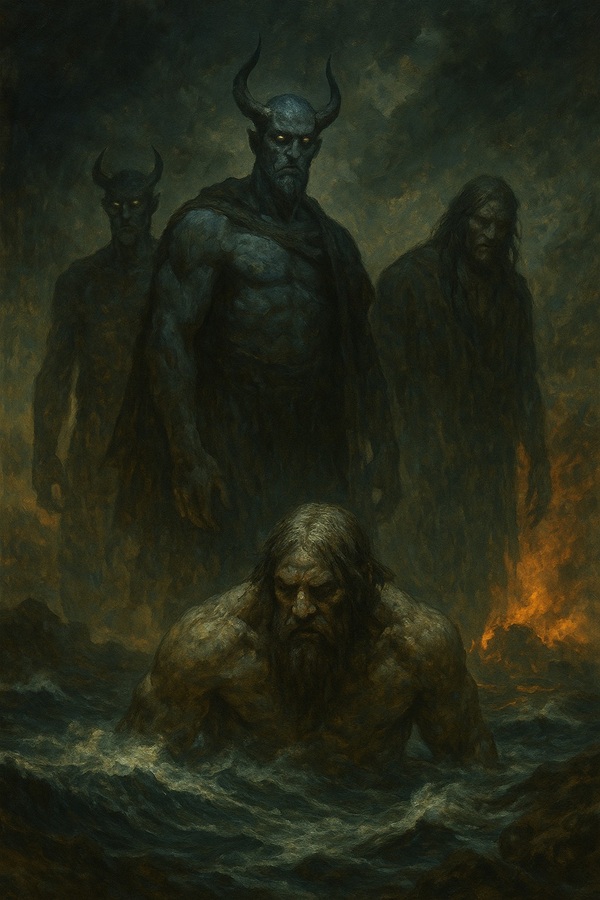
Most Christians know nothing about Genesis 6:1–4 because tradition buried it. But Scripture is blunt: “the sons of God” (bene elohim) took human women, producing the Nephilim. This language is the same used for divine beings in Job 1:6. The earliest Jews and Christians interpreted this literally. Peter and Jude confirm it (2 Pet. 2:4–5; Jude 6). This is a second supernatural-human rebellion that corrupts humanity and the earth.Eden
PART II — The World Outside Eden: Mortal Humans, Real Danger, and the Mission Adam Abandoned

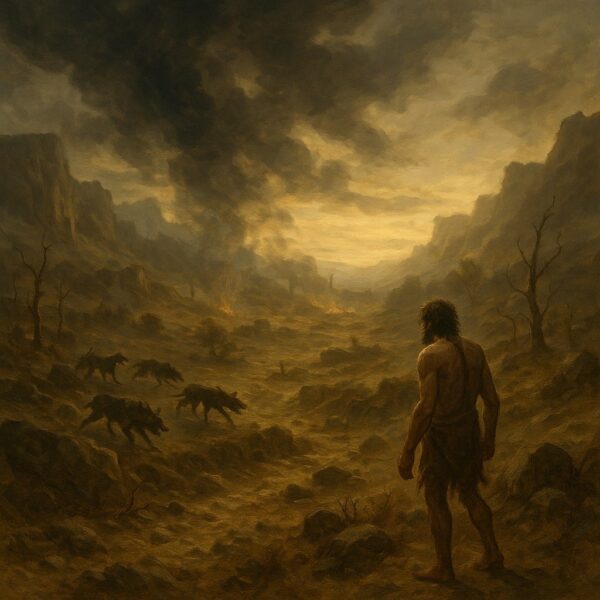
Genesis draws a sharp line between inside Eden (God’s dwelling) and outside Eden (the rest of earth). Humanity’s command to “fill the earth and subdue it” (Gen. 1:28) implies the world outside Eden was wild, undeveloped, and awaiting humanity’s rule. The Hebrew kavash (“subdue”) means to bring under order. You don’t “subdue” paradise. You subdue wilderness. The world outside Eden was not evil—just unfinished.

PART I — Eden: God’s Dwelling, Humanity’s Calling, and the Story We Flattened Into a Coloring Book

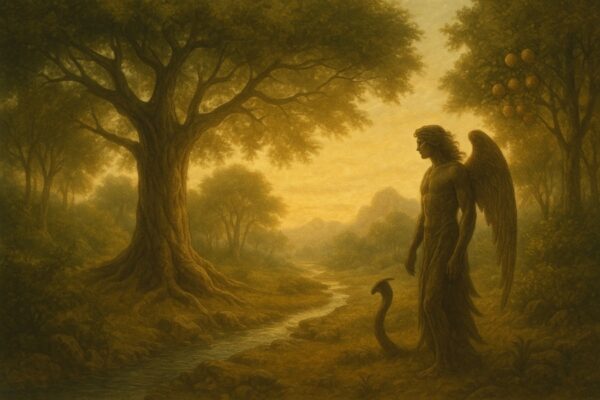
Most Christians think Eden was a perfect, universal paradise. But Genesis never claims that. The Bible says God “planted a garden in Eden” (Gen. 2:8), a sacred space inside a larger region. Ezekiel calls it “the mountain of God” (Ezek. 28:13–14). Eden was God’s dwelling place, not a global utopia. Only inside Eden did God walk with humanity (Gen. 3:8). Outside the garden lay the rest of the earth—good, but not yet sacred space. The story starts with geographic holiness, not widespread perfection.