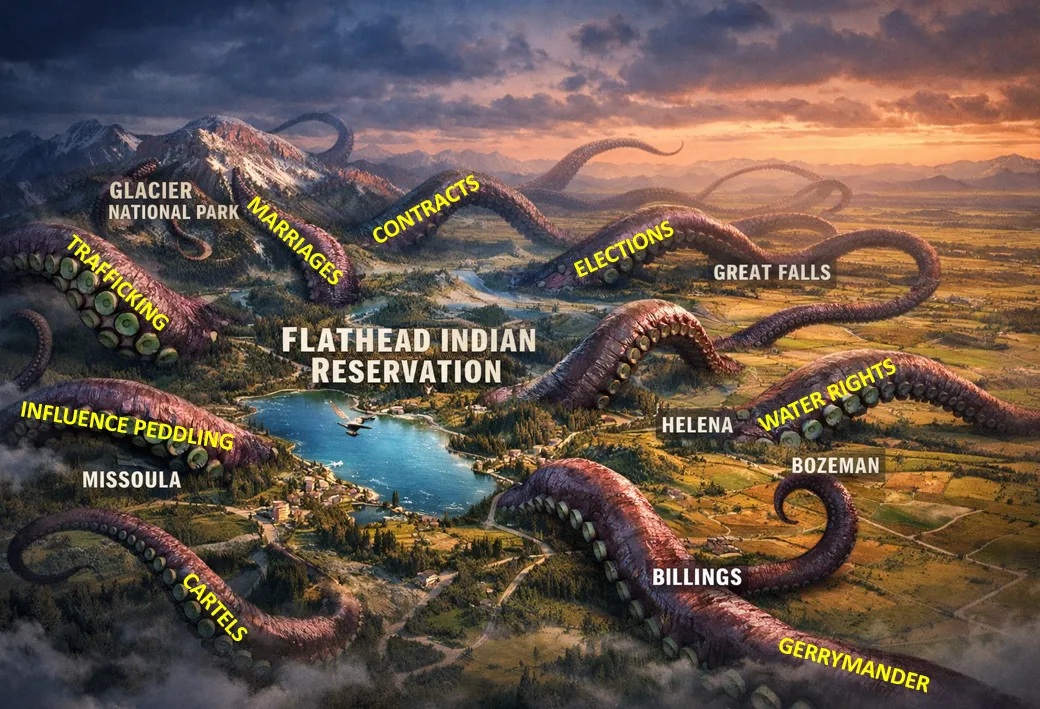
Forward Operating Base Flathead, Part 2

In the first article of this two-part series I discussed how Forward Operating Bases (FOBs) in combat zones compare to tribal Indian reservations in the United States. That was a general overview from a sociological perspective. Now, my focus will be how they operate in negative ways against the United States, and sometimes themselves. The first article concluded with the following anonymous quote from a friend.

Forward Operating Base Flathead, Part 1

At first glance, Forward Operating Bases (FOBs) in Afghanistan and American Indian reservations in the United States appear to have little in common. One is a temporary military installation in a foreign war zone; the other is a legally defined homeland for Indians within the United States. Yet when examined through the lenses of geography, governance, control, and purpose, certain parallels emerge. Both systems created spaces of isolation, imposed forms of authority from outside the community, and produced unique social and economic environments shaped by those conditions. At the same time, important differences in purpose, sovereignty, and permanence distinguish the two. For my purposes, I will not yet discuss how the Flathead Indian Reservation is shared with other Montana residents.