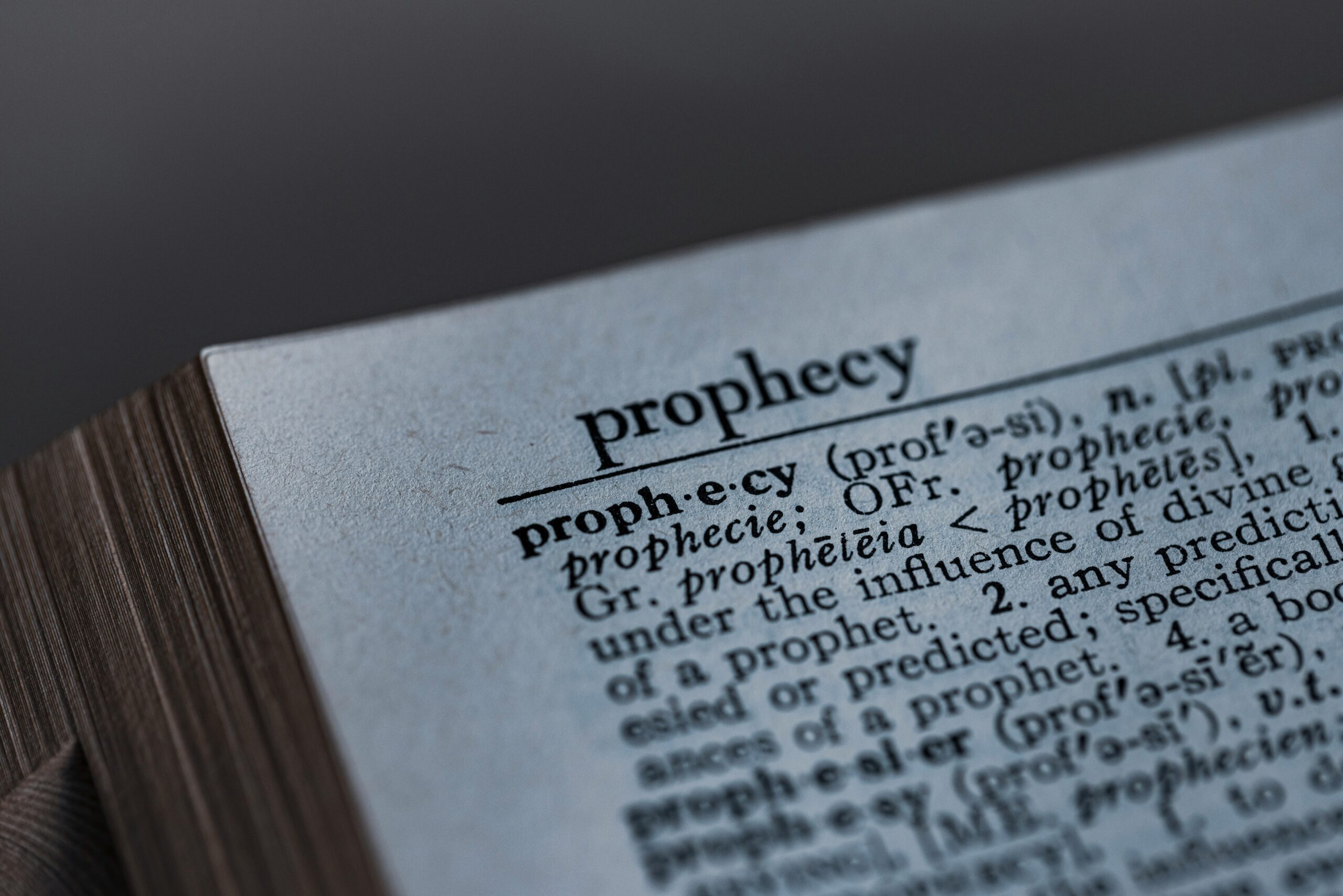
This week I’m writing about one of my least favorite books of the Bible—the Book of Joel. Joel was a prophet to ancient Judah who lived anywhere from 850 to 500 years before Christ, depending on which scholar you consult.
The name Joel translates from Hebrew as “Yahweh is God.” His message isn’t a new one—repent and honor God, a refrain repeated throughout the Old Testament again and again. God makes a covenant with the Hebrews, they walk the straight path for a while, then they backslide.
If you grew up in Sunday School, you’ll recognize the imagery: locusts, trumpets, fig trees, vines, jars of oil and wine, blood and fire, clouds and smoke, the day of the Lord. Judgment, punishment, and the same cycle repeating.
But Joel isn’t all doom and gloom. He actually prophesies the coming of the Holy Spirit—hundreds of years before God sent the Spirit as our Comforter. In chapter two, he writes:
“I will pour out my Spirit upon all flesh; your old men shall dream dreams, and your young men shall see visions…then everyone who calls on the name of the Lord shall be saved.” (Joel 2:28-32)
In Acts, Peter quotes this very passage, declaring it fulfilled at Pentecost with the giving of the Holy Spirit (Acts 2:16-21).
Times were tumultuous in Joel’s day—illness, locusts, drought, famine, foreign conquerors. Here in 2026, we face many of the same calamities, and then some: locusts, droughts, famine, sexual confusion, racial unrest, earthquakes. King Solomon knew what he was talking about: “What has been will be again, what has been done will be done again; there is nothing new under the sun.” (Ecclesiastes 1:9, NIV)
The question is this: will we heed the voices of the world—media, politicians, celebrities—or will we turn to Scripture for answers?
When I say Joel is one of my least favorite books, I’m not judging the importance of its message. Whereas books like James or Ruth can leave us feeling warm and hopeful, Joel basically says, “If you’ve been told once, you’ve been told a thousand times!” and “Wait until your Father gets home!”
The central theme of Joel is that when we break our relationship with God, He disciplines us—but if we repent, we’re forgiven and reconciled. God is in control even in crisis, and He uses discipline to get our attention. Does He have yours yet?
Sources for the information in this article:
https://www.easyenglish.bible/bible-commentary/joel-lbw.htm
https://the4thdave.com/2019/10/15/stunday-school-whats-the-deal-with-joel/
http://www.thefellowship.site/archives/joel/reading-joel-the-minor-prophets
https://www.bible-studys.org/Bible Books/Joel/Book of Joel.html
If you enjoyed this article, then please REPOST or SHARE with others; encourage them to follow AFNN. If you’d like to become a citizen contributor for AFNN, contact us at managingeditor@afnn.us Help keep us ad-free by donating here.
Substack: American Free News Network Substack
Truth Social: @AFNN_USA
Facebook: https://m.facebook.com/afnnusa
Telegram: https://t.me/joinchat/2_-GAzcXmIRjODNh
Twitter: https://twitter.com/AfnnUsa
GETTR: https://gettr.com/user/AFNN_USA
CloutHub: @AFNN_USA