An Unlikely Pair
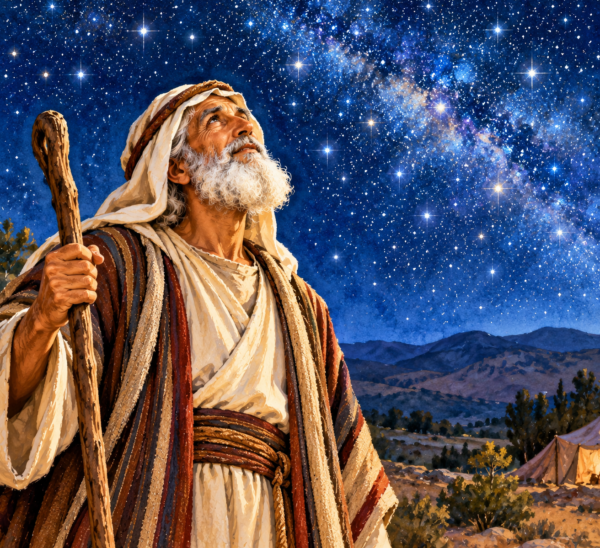
God pairs unlikely people like Abraham, the friend of God, and Rahab, the Canaanite prostitute, to show that both were counted righteous by faith that acts.
Citizen Writers Fighting Censorship by Helping Americans Understand Issues Affecting the Republic.
God pairs unlikely people like Abraham, the friend of God, and Rahab, the Canaanite prostitute, to show that both were counted righteous by faith that acts.
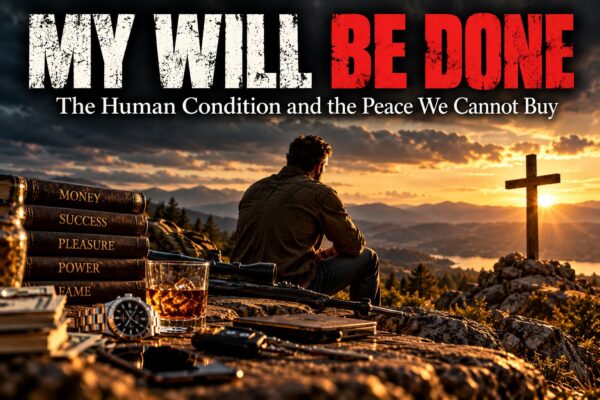
We spend our lives chasing happiness—more money, more success, more pleasure, more control—yet somehow the appetite always survives the meal. Ecclesiastes called it vapor. Augustine called it restlessness. Tolstoy discovered that even extraordinary success couldn’t answer death. Maybe the problem isn’t that God hasn’t given us what we want. Maybe it’s that we keep praying “Thy will be done” while quietly demanding “my will be done.” Happiness comes and goes. God offers something deeper: peace.

Michigan resident Sean Lechner and Iron Pig Smokehouse owner Ian Murphy discuss the weight their gubernatorial and Senate elections hold on ‘The Bottom Line.’
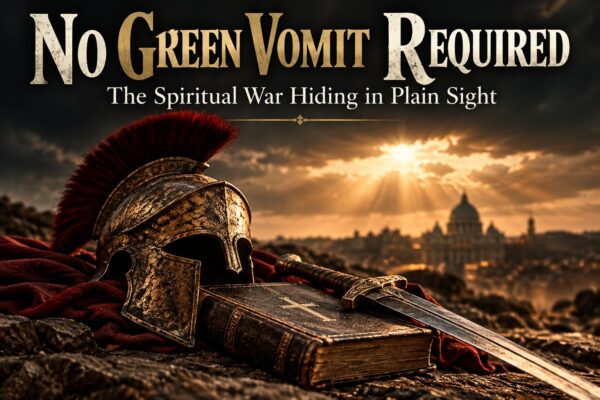
What if the greatest victories of evil don’t involve possession, spinning heads, or levitating furniture? What if they’re much simpler—pride, lust, greed, deception, hatred, and division? Ephesians 6 reminds Christians that our struggle is not ultimately against flesh and blood. Maybe we’ve become so busy identifying the enemy in everyone else that we’ve forgotten where the real battlefield is—and which weapons Paul actually told us to carry.
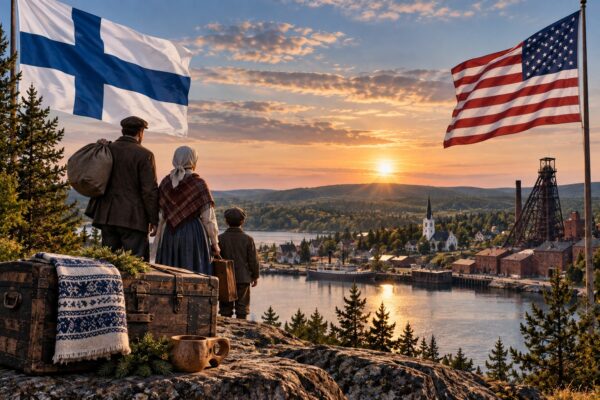
From Finland’s rocky farms to the copper mines and forests of Michigan’s Upper Peninsula, Finnish immigrants brought more than strong backs and “SISU” to America. They brought faith, saunas, traditions—and fierce arguments over labor, capitalism and socialism that divided “Church Finns” and “Red Finns” more than a century ago. Their remarkable story of immigration, revolution, war and assimilation helped shape northern Michigan and reminds us that many of the political debates Americans wrestle with today are anything but new.

Like a sand dollar, we are fragile and easily broken, but God can use our brokenness to reveal the purpose and strength He has placed within us.

Hermit crabs must repeatedly leave an outgrown shell and risk being exposed to find a new one — a picture of trusting God rather than ourselves in life’s vulnerable in-between moments.
God is good, and He is just. It’s important for us to remember the fullness of who He is so that we can remember how much we need the salvation and forgiveness His Son Jesus offers to us. In all of our brokenness, we are not without a Savior.

Satire is lost on our leftist friends. Type sluggishly, they are very slow on the uptake.

3:42 a.m.—Three hours before sunrise. Sarah and I are awake. Sort of. We begin our marathon route in the hamlet of Manitou Springs, a town where everything is organic, even the Subaru exhaust.
We start our journey alone, in front of the little courthouse, the official starting line of the Pikes Peak Marathon. Before we begin running, we hug each other tightly.
“We’re doing this,” we say before we sprint off into the silent streets.

The Muslim terror attack on 9-11 brought a fleeting moment of WW2-like national unity. A week later, I wrote the first and best op ed of the 1000 plus to follow: “One Front, Two Wars”. Our Homeland is one front where the Great U.S. Culture War and the War between Western Civilization and a resurgent Islam that breeds radicals and rage are fought.
I knew ”the adrenaline cocktail of shock, fear and anger intoxicates only for a season”.
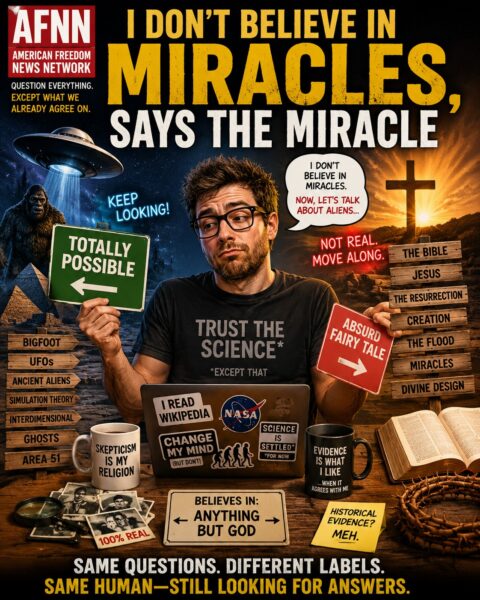
Modern man says he doesn’t believe in miracles while standing on a wet rock hurtling through space, made of stardust, possessing consciousness nobody can fully explain, pondering a universe nobody can explain why exists. God? Ridiculous. Ancient aliens? Now you have his attention. Maybe we didn’t stop believing—we just changed the vocabulary and became selectively skeptical about which mysteries are socially acceptable. Watch for AFNN next week as we ask the uncomfortable question: “I Don’t Believe in Miracles,” Says the Miracle.
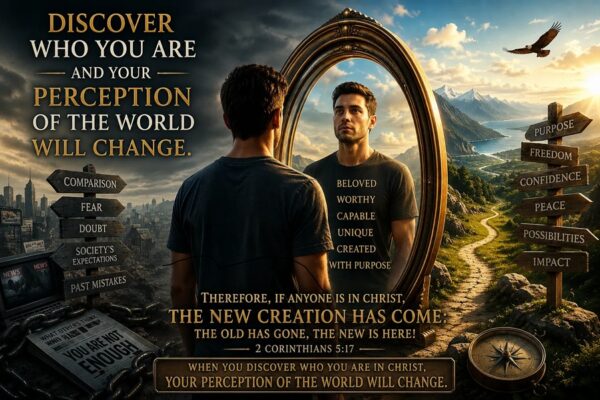
In 1978, the band “The Who” released their song titled “Who Are You?”
Though I don’t recommend this song’s lyrics in total it, it does ask a very important question without even knowing how important.
“Well, who are you?”
“I really wanna know..”
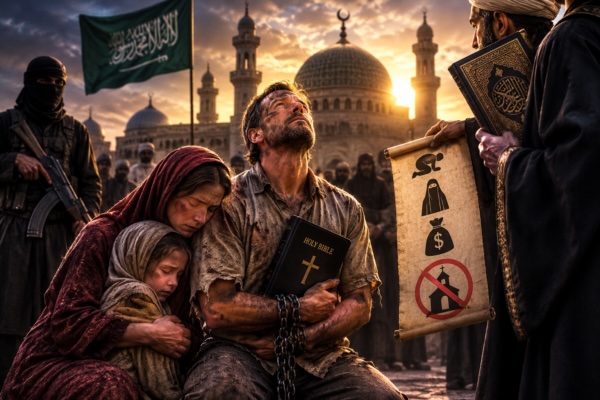
Paying an unfair tax is one thing. Wearing clothes you wouldn’t otherwise wear is another. But what happens when government finally asks the question Christians have faced since Rome: Will you obey us when obeying us means disobeying Christ? That’s where Romans 13 meets Acts 5:29—and Christianity stops being a bumper sticker.
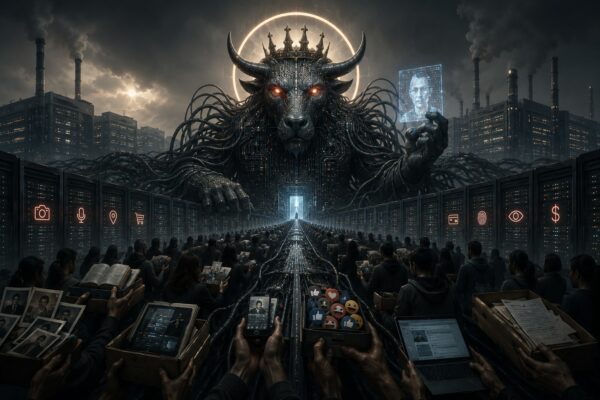
What if the Beast of Revelation didn’t rise from the sea—but arrived in a server rack? This fictional, extra-biblical excursion imagines AI as the Beast, data centers as its temples, and humanity enthusiastically feeding it electricity, water, privacy, knowledge, and eventually perhaps our autonomy. The disturbing part isn’t that the machine might conquer us. It’s that we may build it ourselves, connect everything to it, put it in our pockets—and stand in line for the upgrade.
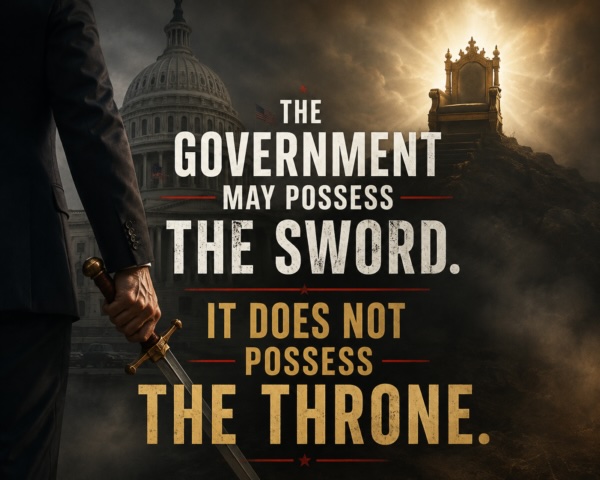
Christians are frequently reminded that Romans 13 tells us to obey governing authorities. Fair enough. But what happens when government reverses its God-given assignment—punishing good, protecting evil, or commanding Christians to violate their conscience? Scripture actually answers that question, and the answer is considerably less comfortable than “just obey.”
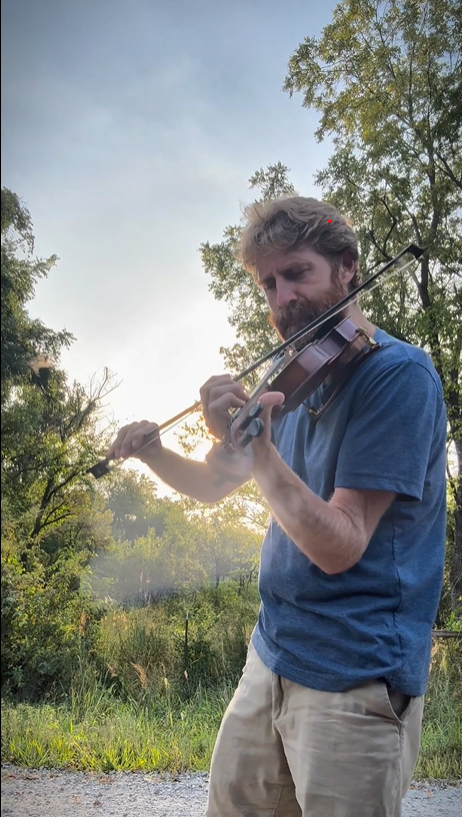
This morning, I took a drive through rural Kansas. I pulled over on a dirt road and played a song on the same ground where my father took his own life. I thought I’d share it with you.

Over the years, I’ve written about Morgan many times, keeping notes on many of the conversations Morgan and I have had, so I’d never forget the things she told me.
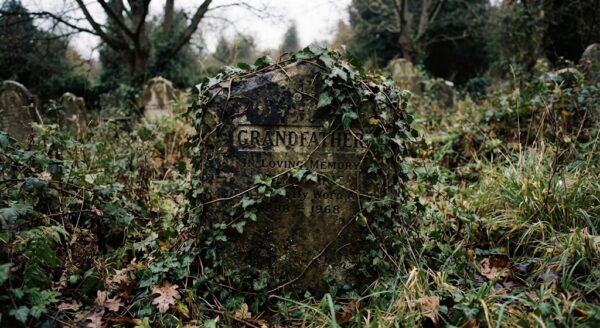
MY FATHER’S FATHER LIVED AND DIED IN THIS, OUR BLESSED LAND HE TOOK HIS CHANCES, MADE HIS WAY, WAS THERE TO LEND A HAND HE OWNED HIS HOME, SPOKE HIS MIND LET CHIPS FALL WHERE THEY MAY HE WORKED ALL DAY, SLEPT WELL AT NIGHT WITH LITTLE TIME FOR PLAY HE DEALT WITH …
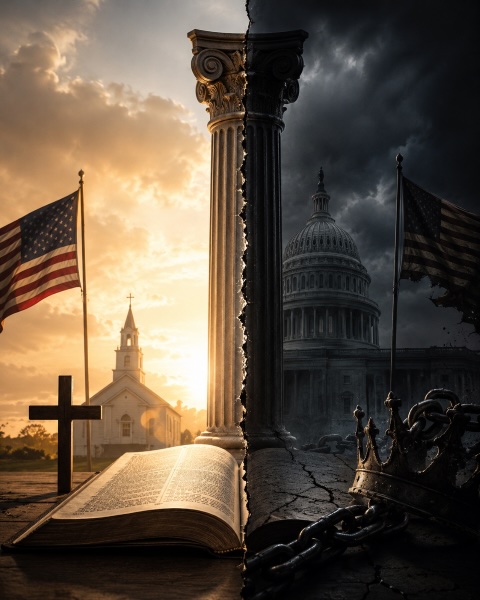
Romans 13 and Revelation 13 aren’t enemies. They’re bookends. One describes government as God intended it to be: rewarding good and restraining evil. The other warns what happens when government abandons that mission and begins demanding loyalty that belongs to God alone. History is filled with examples of Romans 13 being used to justify kings, slavery, and authoritarian regimes, while Scripture repeatedly reminds believers that their highest allegiance is not to a political party, a flag, or a nation. Christians are called to be good citizens, but faithful disciples. God first. Everything else second.