The Perils of Ideological Conformity
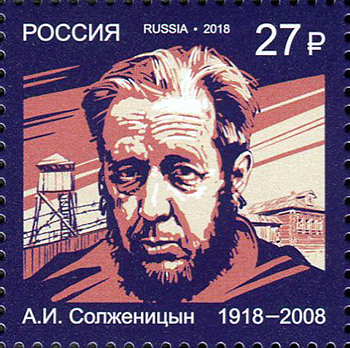
In his Harvard address, Aleksandr Solzhenitsyn offered a scathing critique of ideological conformity, which he perceived as a threat to genuine intellectual and moral freedom. He warned against the dangers of a monolithic worldview imposed by the state or society, which stifles individual thought and suppresses dissent. This critique remains strikingly relevant today, as various ideological forces seek to dominate public discourse and marginalize opposing viewpoints.
Solzhenitsyn argued that the suppression of free thought and open debate leads to a culture of mediocrity and intellectual stagnation. When individuals are coerced into conforming to a prevailing ideology, creativity and critical thinking are severely compromised. In the modern era, this concern is manifested in the phenomena of cancel culture and ideological echo chambers, where deviation from accepted norms is often met with severe social and professional repercussions.
The author’s insights into the nature of totalitarianism are particularly poignant in light of contemporary global developments. Solzhenitsyn’s experiences under the Soviet regime provided him with a unique perspective on the insidious nature of state control over individual beliefs and actions. He saw parallels in the West’s subtle forms of ideological enforcement, where media, academia, and political institutions often promote a narrow range of acceptable opinions. Today, the pervasive influence of social media amplifies this issue, creating environments where dissent is quickly silenced and conformity is rewarded.
Solzhenitsyn also highlighted the moral and spiritual degradation that accompanies ideological tyranny. When individuals are forced to adhere to a specific ideology, they often compromise their own ethical standards and integrity. This results in a society where truth is subordinated to ideological expediency, and moral relativism prevails. The erosion of absolute moral values in favor of ideological dogma leads to a culture devoid of genuine ethical principles, a concern that resonates strongly in our current age of ideological polarization.
Furthermore, Solzhenitsyn’s emphasis on the importance of spiritual resilience in the face of ideological pressure offers a crucial lesson for today’s society. He believed that only through a strong inner moral compass and spiritual grounding can individuals resist the corrosive effects of ideological conformity. As we confront new forms of ideological coercion and navigate a complex socio-political landscape, Solzhenitsyn’s call for spiritual fortitude and moral clarity provides a vital guidepost.
In essence, Solzhenitsyn’s critique of ideological conformity underscores the importance of safeguarding intellectual freedom and promoting a culture of open, honest dialogue. His insights challenge us to resist the pressures of conformity and uphold the values of critical thinking and moral integrity. As we navigate the challenges of the 21st century, his words serve as a powerful reminder of the enduring need for intellectual and spiritual independence.
If you enjoyed this article, then please REPOST or SHARE with others; encourage them to follow AFNN. If you’d like to become a citizen contributor for AFNN, contact us at managingeditor@afnn.us Help keep us ad-free by donating here.
Substack: American Free News Network Substack
Truth Social: @AFNN_USA
Facebook: https://m.facebook.com/afnnusa
Telegram: https://t.me/joinchat/2_-GAzcXmIRjODNh
Twitter: https://twitter.com/AfnnUsa
GETTR: https://gettr.com/user/AFNN_USA
CloutHub: @AFNN_USA
This is the second in a 3-part series. Links for this and subsequent articles are below and go live on the dates indicated.
11 October: The Echo of Solzhenitsyn: Spiritual Warfare and the Illusion of Modern Man, Part 1
12 October: The Echo of Solzhenitsyn: Spiritual Warfare and the Illusion of Modern Man, Part 2
13 October: The Echo of Solzhenitsyn: Spiritual Warfare and the Illusion of Modern Man, Part 3