When Things Go Right, It’s the Boss. When Things Go Wrong, It’s Everybody Else.

Have you ever noticed how some leaders have an amazing ability to take credit for success while avoiding responsibility for failure?
Citizen Writers Fighting Censorship by Helping Americans Understand Issues Affecting the Republic.
 Dean Gemberling
Have you ever noticed how some leaders have an amazing ability to take credit for success while avoiding responsibility for failure?

I’ve spent much of my adult life in leadership positions, first in the Army, then in corporate America, and eventually as a small business owner. Along the way, I’ve encountered leaders who inspired tremendous loyalty from the people around them. Then…there were the others.
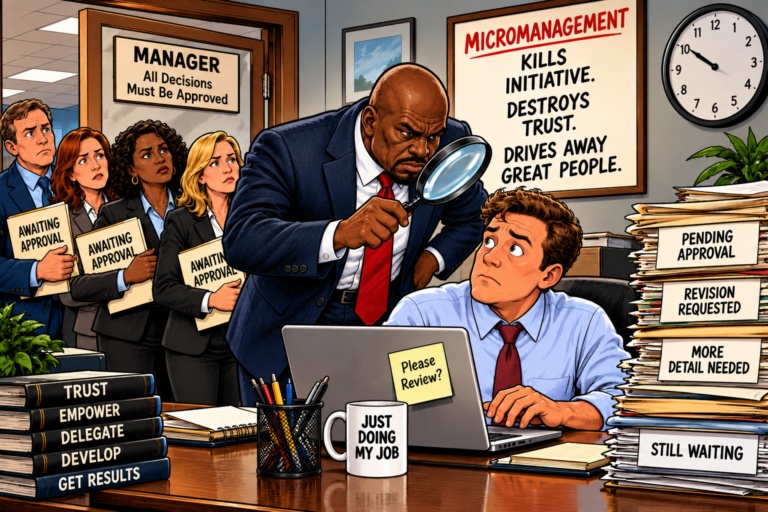
You know the type. Every decision requires approval. Every assignment comes with detailed instructions. Every minor problem becomes an opportunity for the boss to demonstrate how things should be done.

The smartest leader in the room isn’t necessarily the one with the most answers. Sometimes it’s the one who knows which questions to ask.

It’s easy for a leader to demand results, establish standards, and point out where others have fallen short. It’s considerably harder to look in the mirror when something goes wrong and ask a much more uncomfortable question:
What part of this belongs to me?
That’s where leadership begins.

People learn quickly what happens when they bring the boss bad news. They notice when someone is interrupted, embarrassed, dismissed, or punished for disagreeing. They remember the meeting where the boss asked for opinions but became defensive the moment someone offered one.

I’ve seen it happen more times than I can count.
Someone works hard, gets results, and finally receives the promotion they’ve been chasing. They get a new office, a new title, and maybe even a shiny new nameplate on the door.
And somewhere along the way, they make a dangerous assumption: Now I’m a leader.
Not necessarily.