This SHOULD be the Fed’s GOAL, former Reagan economist says
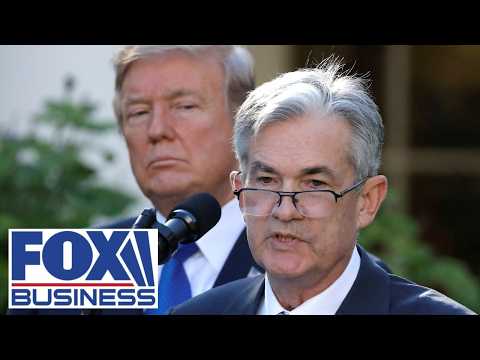
Former Reagan economist Art Laffer discusses the Fed’s decision to raise rates on ‘Kudlow.’
Citizen Writers Fighting Censorship by Helping Americans Understand Issues Affecting the Republic.
Former Reagan economist Art Laffer discusses the Fed’s decision to raise rates on ‘Kudlow.’
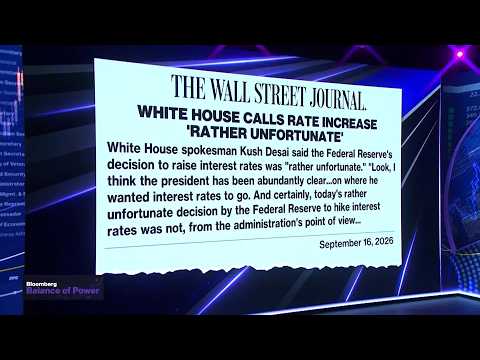
President Donald Trump says the Fed was wrong to raise interest rates by a quarter percentage point. In a Truth Social post, Trump said that US rates “should be 1%, or less.” Chris Phelan, White House Council of Economic Advisers chairman, agrees and says anyway you measure it – inflation is coming down. He is on “Balance of Power.”
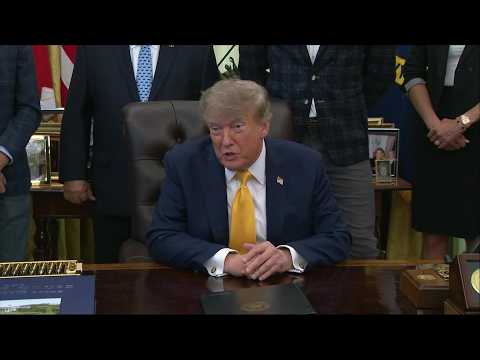
President Donald Trump intensifies pressure on the Federal Reserve to lower interest rates, threatening to cut off trade with certain economies with which the US has a deficit. He speaks with reporters at the White House.
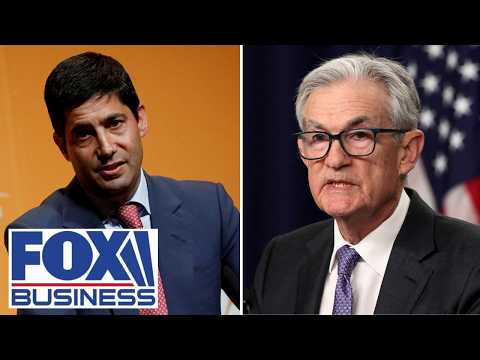
Unleash Prosperity principal Phil Kerpen and SlateStone Wealth chief market strategist Kenny Polcari discuss Fed chair Kevin Warsh’s Jackson Hole speech, July PCE inflation data and Federal Reserve monetary policy on ‘Kudlow.’
The U.S. economy surprisingly shed jobs in July, and it’s leading investors to think that an interest rate hike by the Federal Reserve in September is increasingly unlikely.
‘The Big Money Show’ panel discusses Kevin Warsh’s first meeting as Federal Reserve Chair, fed policy and how he challenges the Democrats’ narrative.
A panel discusses Kevin Warsh becoming Federal Reserve chair and inheriting a challenging economic environment amid President Donald Trump’s policy efforts on ‘The Big Money Show.’
‘The Big Money Show’ co-host Taylor Riggs and financial journalist John Carney discuss Federal Reserve chair Jerome Powell’s decision to remain on the Fed’s Board of Governors on ‘Kudlow.’
Sen. Dave McCormick, R-Pa., discusses President Donald Trump’s renewed threats to fire Federal Reserve Chair Jerome Powell and Kevin Warsh’s upcoming confirmation hearing on ‘Kudlow.’
Two and a half centuries ago, the American founders attempted something radical. They built a government specifically designed not to accumulate too much power. It was intentionally slow, limited, and divided against itself. The idea was simple: if ambition countered ambition, tyranny would have a hard time getting traction.
The events of 1913 collectively represent a departure from the foundational principles of limited government, checks and balances, and federalism enshrined in the United States Constitution.
Between inflation and elevating interest rates, it will cost the average family $68,800 to purchase 4 years of enhanced decorum in the White House. Except for little glitches like …