Arab Slaves: The History Textbook Forgot This Chapter
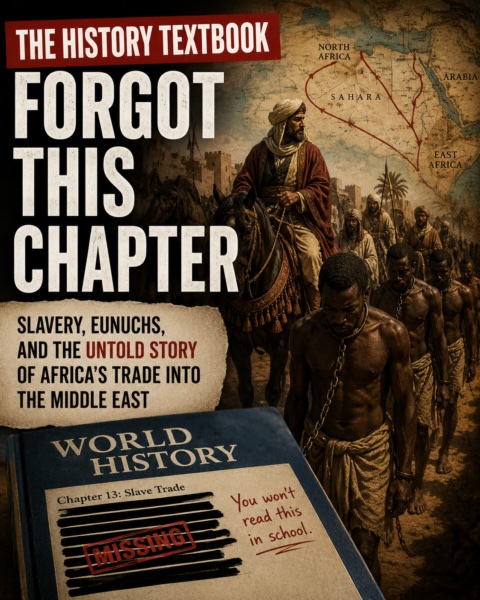
Most Americans learned about the Atlantic slave trade—and rightly so—but human slavery has a much longer, darker, and considerably less convenient history. Across centuries, African captives were transported through vast Middle Eastern and Islamic slave networks, and most males were even castrated and sold as eunuchs. It’s a chapter that complicates the tidy heroes-and-villains version of history. Slavery wasn’t the invention of one race, religion, or civilization. It was a human disease—and if we’re going to learn from history, we should have the courage to teach the whole ugly story.
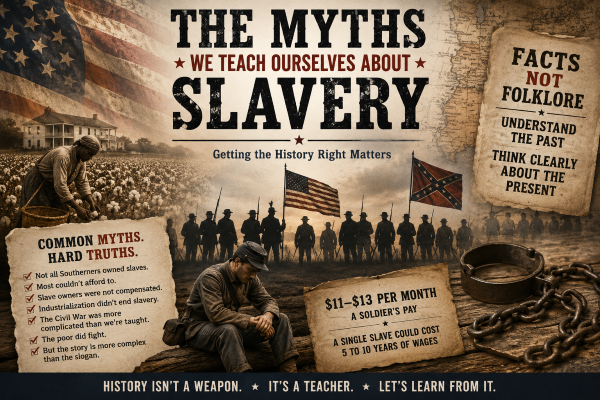
The Myths We Teach Ourselves About Slavery

Slavery was a moral evil, but that doesn’t mean every story we’ve inherited about it is historically accurate. Most Southern households did not own slaves. A common soldier couldn’t afford one. Former slave owners were generally not compensated after emancipation. Industrialization didn’t make slavery obsolete—it often made it more profitable. The Civil War itself was far more complex than the slogans we use to describe it. History deserves better than mythology. We can condemn slavery without reservation while still insisting on facts over folklore, because understanding the past honestly is the only way to understand the present clearly.

Juneteenth: How America’s 1st GOP President Freed the Democrats’ Slaves

GOP President Lincoln freed the slaves.

The Emancipation Proclamation only applied to the 11 states that had seceded from the United States, leaving slavery untouched in the four slaves states (AKA Border States) that remained loyal to the United States: Delaware, Kentucky, Maryland, Missouri.