The Future of Armored Warfare in the Drone Era; Adapting to a Battlefield That Now Sees Everything
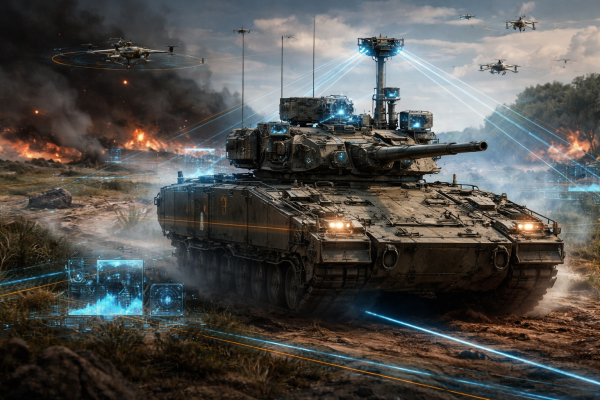
The romantic image of armored columns rolling forward under cover of smoke and artillery has been replaced by something far less cinematic: vehicles hiding, dispersing, and moving like hunted animals under constant aerial surveillance. Cheap drones—$500 quadcopters and $20,000 FPV kamikazes—are hunting million-dollar platforms with ruthless efficiency. The lesson is not subtle. If you can be seen, you can be targeted. If you can be targeted, you can be killed.
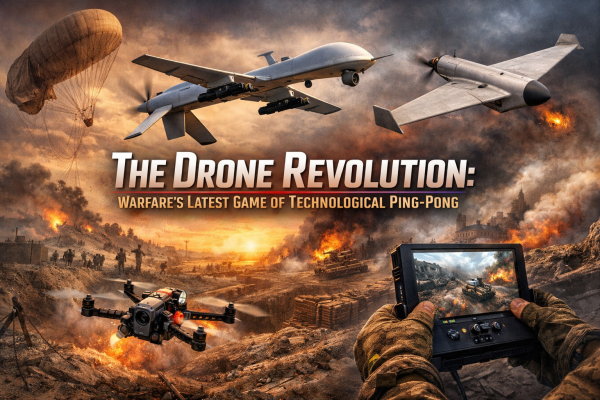
The Drone Revolution: Warfare’s Latest Game of Technological Ping-Pong

The basic idea of unmanned warfare actually dates back more than a century. During World War I, armies experimented with remotely controlled aircraft and explosive “aerial torpedoes.” They were crude and unreliable, but the concept was already there: send a machine instead of a pilot into harm’s way. Through the Cold War the idea matured into reconnaissance drones used primarily for surveillance. The United States began using early UAVs over Vietnam and later refined the concept in the 1990s and early 2000s.