Australia’s Thirty-Year Experiment in Turning Rights into Permissions

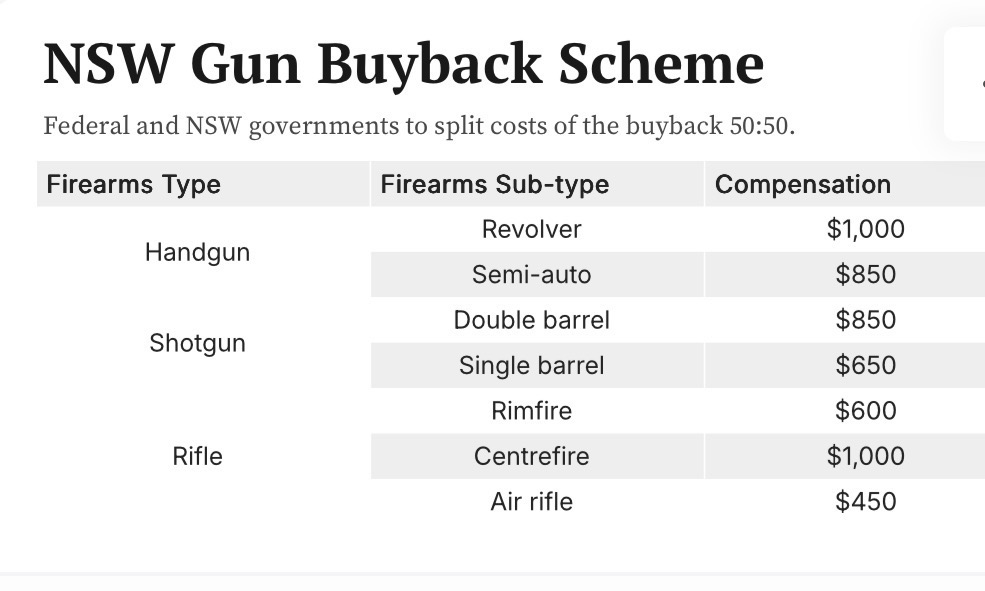
Australia’s latest firearm reforms raise a question that reaches far beyond guns: when does regulation become permission? Thirty years after the Port Arthur reforms, law-abiding Australians who followed every rule are discovering that Parliament can simply move the legal line beneath their feet. Yesterday’s registered property can become today’s prohibited property—not because the owner changed, but because the law did. Supporters call it public safety. Critics see a government that increasingly decides what citizens may own, what it’s worth, and under what conditions they must surrender it. The real debate isn’t over rifles. It’s over whether rights are inherent… or merely temporary permissions granted by the state.