Australia’s Thirty-Year Experiment in Turning Rights into Permissions

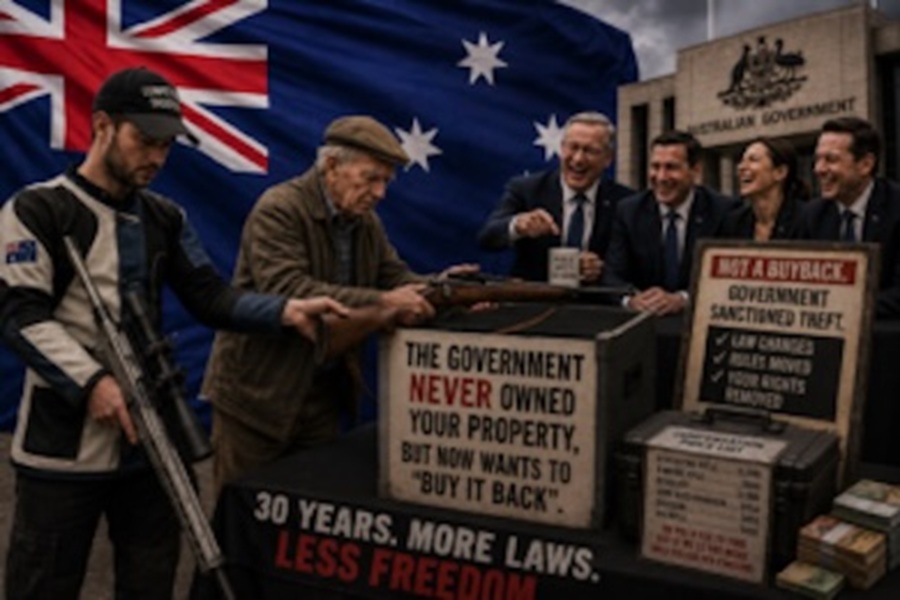
Australia’s latest firearm reforms raise a question that reaches far beyond guns: when does regulation become permission? Thirty years after the Port Arthur reforms, law-abiding Australians who followed every rule are discovering that Parliament can simply move the legal line beneath their feet. Yesterday’s registered property can become today’s prohibited property—not because the owner changed, but because the law did. Supporters call it public safety. Critics see a government that increasingly decides what citizens may own, what it’s worth, and under what conditions they must surrender it. The real debate isn’t over rifles. It’s over whether rights are inherent… or merely temporary permissions granted by the state.

Australia, Firearms, and the Canary in the Coal Mine

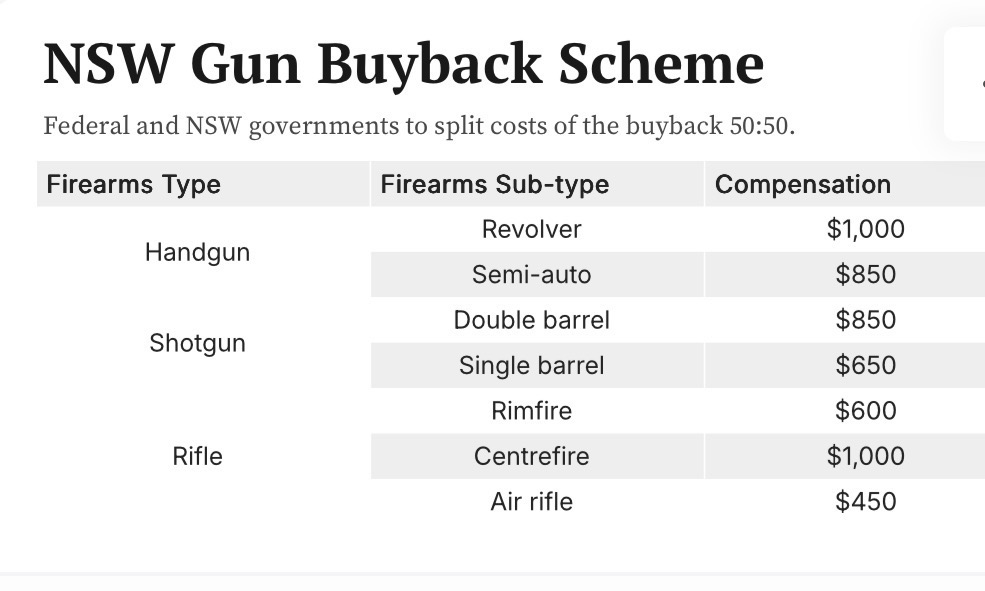
Australia’s latest firearm buyback isn’t just a debate about guns. It’s a debate about the relationship between citizens and the state. Supporters see a legitimate public safety measure. Critics see a government placing a price tag on a fundamental human right: self-defense. The controversy reaches far beyond firearms and into larger questions about media, regulation, taxation, and the expanding role of government in modern democracies. Whether Australia represents a successful model or a warning sign depends entirely on where you stand. But the canary in the coal mine has already begun to sing.

The Canary Is Gasping: Australia and the Cost of Speech Without Rights

A father was arrested and charged after someone took offense at a tattoo on his leg—passive, nonviolent body art. Let me be clear: the ideology behind that tattoo is evil, historically murderous, and morally bankrupt. I despise it. But the man was not arrested for assault, intimidation, threats, or incitement. He was arrested for expression. That distinction is everything in a free society.