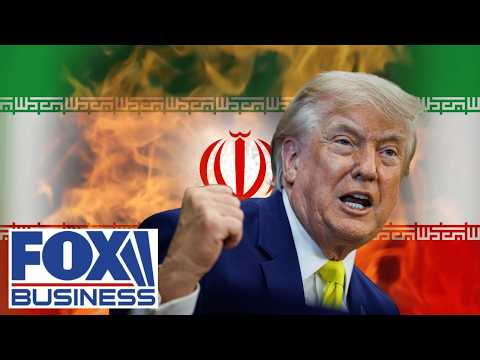
‘ECONOMIC CHOKEHOLD’: JD Vance REVEALS what Iran must do before sanction pressure eases
‘The Big Money Show’ panelists analyze the economic implications of the U.S.-Iran deal, including its impact on oil and gas prices.
Citizen Writers Fighting Censorship by Helping Americans Understand Issues Affecting the Republic.
‘The Big Money Show’ panelists analyze the economic implications of the U.S.-Iran deal, including its impact on oil and gas prices.
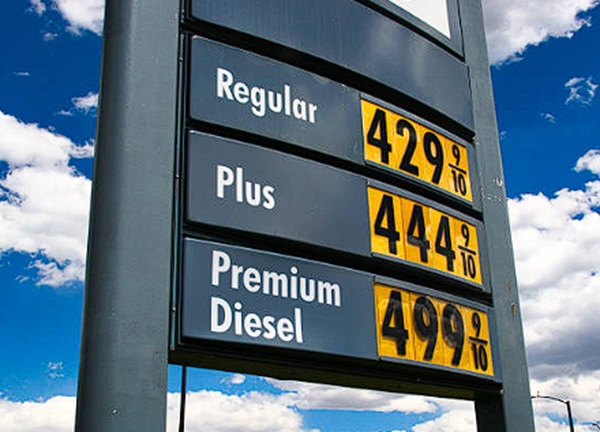
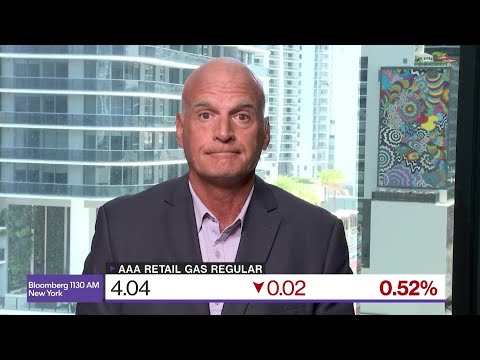
Brent oil fell below $80 a barrel for the first time in more than three months as the US-Iran deal to reopen the Strait of Hormuz boosted expectations for a revival in supply, with leading Wall Street banks reducing their price forecasts and regional benchmarks collapsing. Gasoline prices are also falling. Bloomberg Mike McGlone joins to discuss.
‘The Big Money Show’ panel discusses negotiations between the United States and Iran and President Donald Trump’s warning following traded strikes.
The modern world likes to believe it has outgrown geography. Satellites circle the planet, data moves at the speed of light, and weapons can strike targets from continents away. Military theorists speak confidently about cyber war, artificial intelligence, and fifth-generation conflict conducted across digital networks and orbital platforms. Yet despite all this technological sophistication, the global economy still depends on an astonishingly simple fact of physical geography: about twenty-one miles of ocean between Iran and Oman control roughly a quarter of the world’s oil and enormous quantities of energy-related commodities such as petrochemical feedstocks and fertilizer inputs.
During his announcement of the US ban on Russian oil imports on Tuesday, President Joe Biden told us: “It’s simply not true that my administration or policies are holding back domestic energy production. That’s simply not true. […] We’re approaching record levels of oil and gas production in the United States, and we’re on track …