This is the real ‘END STATE’ of the Iran conflict: Navy SEAL veteran
Ret. Vice Adm. Robert Harward discusses the arrest in the U.K. air base alleged terrorism plot and the Iran conflict on ‘America Reports.’
Citizen Writers Fighting Censorship by Helping Americans Understand Issues Affecting the Republic.
Ret. Vice Adm. Robert Harward discusses the arrest in the U.K. air base alleged terrorism plot and the Iran conflict on ‘America Reports.’
U.S. Amb. to NATO Matthew Whitaker joins ‘The Big Weekend Show’ to discuss the Iranian president’s statement that Iran is desperate to reopen the Strait of Hormuz and efforts to reach a deal.
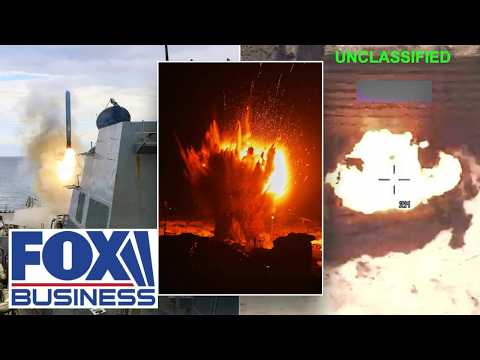
Former Trump deputy national security advisor KT McFarland discusses reports of a potential U.S. strike on Iran and President Donald Trump’s proposed fund to rebuild Middle East energy infrastructure on ‘The Evening Edit.’
FDD senior advisor Rich Goldberg discusses President Donald Trump’s looming Iran decision amid tensions over the Strait of Hormuz. Vice President JD Vance weighs in on the ‘worldwide energy crisis’.
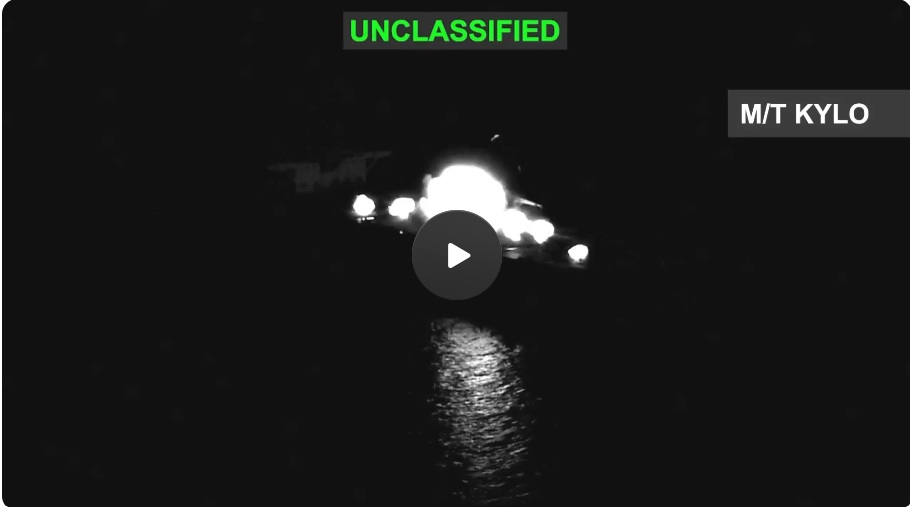
Fox News chief foreign correspondent Trey Yingst reports on a potential U.S. response to escalating tensions in the Middle East amid threats from Iran-backed Houthis and a reported Iranian attack on a U.S.-contracted vessel on ‘Special Report.’

Fox News contributor Dan Hoffman joined ‘Fox & Friends First’ to discuss the latest on the attack and new details on a mission to de-mine the Strait of Hormuz.
That was the headline in the New York Times. The sub-headline read, “New intelligence reports have assessed that Iran now has a far better understanding of its capabilities and the limits of U.S. power.”
Fact-check: Well, yes if you consider they now realize their capabilities are nada, non-existent, zilch. The Persian Army has more power and it disappeared in a sandstorm west of Thebes 2,551 years ago.
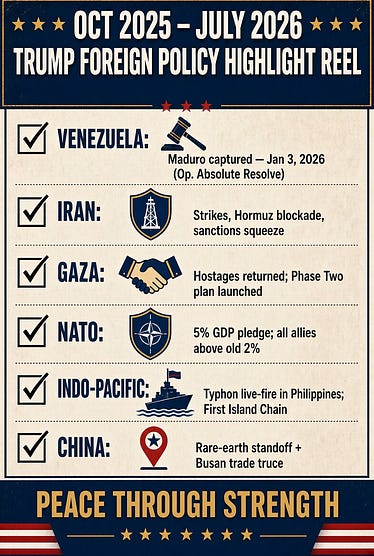
President Trump remains focused on delivering his 2024 campaign promises with lightning speed. This is Part II of a two-part series that summarizes Trump administration accomplishments since October 2025. An article last November covered the accomplishments during the first nine months here.
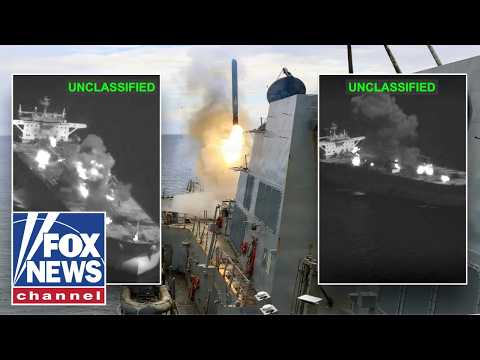
Fox News chief foreign correspondent Trey Yingst reports on U.S. strikes against three Iranian oil tankers after the IRGC launched missiles at U.S. Navy warships on ‘Fox Report.’

Former National Security Adviser Robert O’Brien joins ‘Kudlow’ to discuss the European Union joining ‘Operation Economic Outcast’ to isolate Iran’s financial lifelines and freeze IRGC assets.

As President Donald Trump teases hard retaliation against Iran after the two sides traded strikes over the weekend, some observers think the ‘failed regime’ believes in can outlast the U.S. and influence the outcome of the midterm elections.

The mainstream media only reports what it wants you to think. For news that actually allows you to draw your own conclusions, you’ve come to the right place. The side of snark is complimentary.
ITEM 1: Just the News reported, “Minneapolis police reportedly raided the apartment of Rep. Ilhan Omar’s son Tuesday night, seizing firearms and ammunition and arresting his 22-year-old roommate, Abdulrahman Abdi.”
Isn’t he also her nephew?
Fox News’ Trey Yingst reports the latest from Tel Aviv as Secretary of State Marco Rubio reportedly tells U.S. allies there will be a shift from strikes against Iran to sanctions instead. #foxnews #iran #trump #world #news
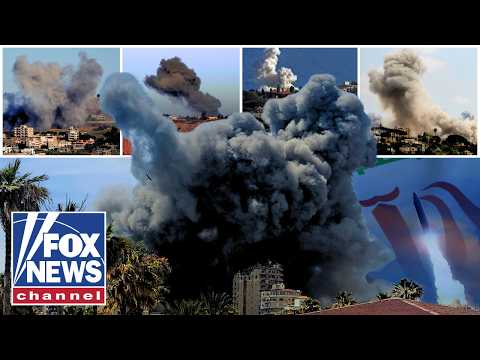
‘The Big Weekend Show’ co-hosts discuss the looming official end to the U.S.-Iran memorandum of understanding and the U.S. naval blockade of the Strait of Hormuz.
Fox News correspondent Alex Hogan reports on President Donald Trump’s latest maneuvering on Iran, as well as his domestic crime crackdown on ‘Fox Report.’ #fox #foxnews #media #breakingnews #us #usa #new #news #breaking #foxreport #donaldtrump #trump #alexhogan #hogan #iran #tehran #straitofhormuz #hormuz #middleeast #usiran #iranconflict #geopolitics #foreignpolicy #military #defense #nationalsecurity #crime #crimenews #crimestory #criminal #police …
The U.S.-Iran war enters a new phase as President Donald Trump weighs expanding military operations after 10 consecutive nights of U.S. strikes and the deaths of two American service members in Iran-backed attacks.
Here’s what we know:
The world gets about 20% of its oil via the Strait of Hormuz. The Strait has been closed or nearly closed since the United States launched its war with Iran.
That launch date was February 28th. Today is July 13th. We’re approaching five months of little to no oil getting through the Strait.
That’s so far resulted in 1+ billion fewer barrels in global circulation.
Here’s what we don’t seem to know
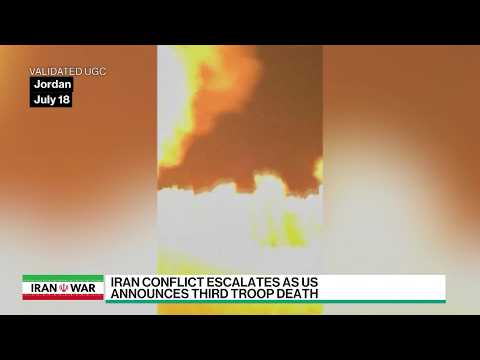
Bloomberg’s Stuart Livingstone-Wallace and Control Risks’ Niamh McBurney discuss the latest US-Iran developments and how Trump may still be positioning to negotiate with Tehran.

Ret. U.S. Navy commander John ‘Fozzie’ Miller discusses U.S. Central Command’s seventh consecutive night of strikes targeting Iran’s military infrastructure and supply routes on ‘Kudlow.’
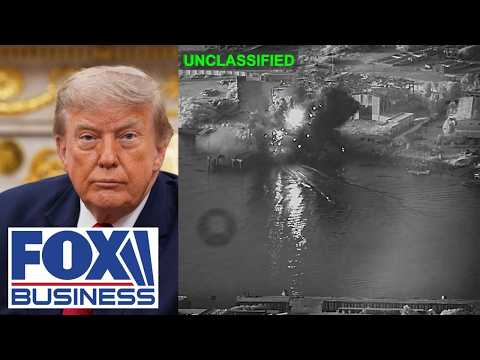
Navy SEAL veteran Mike Sarraille and The Heritage Foundation’s Victoria Coates discuss President Donald Trump’s options as the United States carries out strikes against Iran.