Maybe It’s Time to Retire the Reflecting Pool

For more than a century, Americans have spent millions of dollars fighting nature at the Lincoln Memorial Reflecting Pool. Built in 1922 as a grand architectural feature, the pool transformed a former Potomac floodplain into a shallow, artificial body of water that has suffered recurring algae blooms, leaks, sediment buildup, and costly repairs ever since. The latest maintenance controversy isn’t a new problem—it’s simply the latest chapter in a hundred-year struggle to maintain a giant pond where nature never intended one to exist. Instead of pouring more taxpayer dollars into perpetual repairs, perhaps it’s time to ask a different question: what if we reclaimed the 15 acres occupied by the Reflecting Pool and returned that space to the public? Expanded lawns, shaded gathering areas, memorial gardens, event space, and recreational areas could serve millions of visitors far better than a body of water that most people can only walk around and photograph. Sometimes the best way to solve a century-old engineering problem is not to engineer harder—it’s to admit the original idea has outlived its usefulness.


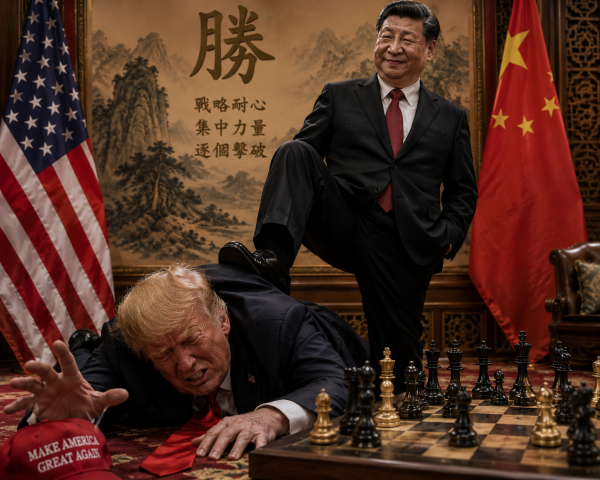
Red Carpet Defeat: How China Played Trump Like a Casino Tourist

Trump flew to China promising to put the dragon on a leash and came home carrying a bag of soybean promises, university tuition receipts, and little else. Beijing gave up no meaningful ground on farmland, Taiwan, or strategic competition, while Trump softened on Chinese land purchases and signaled support for large numbers of Chinese students studying in the United States. Xi Jinping kept the leverage, protected his core interests, and let Washington celebrate another stack of nonbinding agreements. The dragon did not blink. It smiled, bowed politely, and sent America home with a participation trophy.

Weaponized Chaos: How Unpredictability Became America’s New Deterrent

We’ve seen this movie before, and the lesson was written in blood during the Vietnam War. The United States didn’t lose because it ran out of bombs, bullets, or body armor. It lost because it ran out of public will. The battlefield shifted from the jungle to the living room, and once the American people stopped believing, the strategy collapsed under its own weight. Since then, every adversary worth their salt—from insurgent groups to near-peer competitors—has studied that vulnerability like it’s the Rosetta Stone of defeating the United States: fracture the narrative, erode domestic support, and time will do the rest.

Renaming Greenland – Trumpland: The Arctic Now Belongs to the Hegemon

Let’s stop pretending this is a seminar where everyone raises their hand and waits to be called on. The United States is the global hegemon. That’s not bravado; it’s the rebuilt operating system. When America “consults,” it’s being polite. When America decides, the rest of the world updates its talking points.

Sometimes you just have to be an [insert slang term for the rectum here] to do things right

My good friend and occasional blog pinch hitter William Teach noted that Luke Broadwater of The New York Times was apoplectic over the hardball that President Donald Trump played during the Government shutdown: The government shutdown is already the longest in American history. But it’s also perhaps the most punishing, in part because President Trump …

Read more