Weaponized Chaos: How Unpredictability Became America’s New Deterrent

We’ve seen this movie before, and the lesson was written in blood during the Vietnam War. The United States didn’t lose because it ran out of bombs, bullets, or body armor. It lost because it ran out of public will. The battlefield shifted from the jungle to the living room, and once the American people stopped believing, the strategy collapsed under its own weight. Since then, every adversary worth their salt—from insurgent groups to near-peer competitors—has studied that vulnerability like it’s the Rosetta Stone of defeating the United States: fracture the narrative, erode domestic support, and time will do the rest.

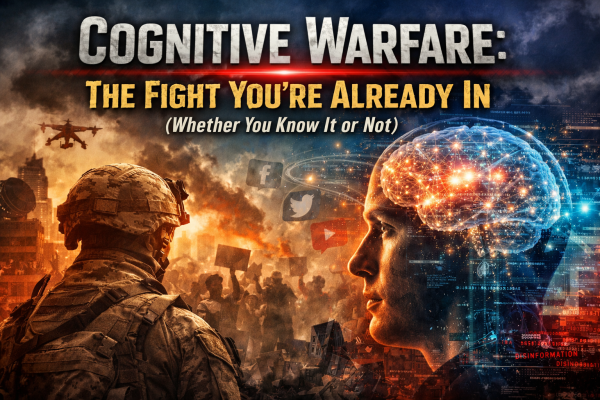
Cognitive Warfare: The Fight You’re Already In (Whether You Know It or Not)

NATO didn’t invent cognitive warfare, but they did something important: they named it. And once you name something, you can’t pretend it isn’t there. Their definition isn’t wrapped in science fiction or Hollywood nonsense. It’s blunt. Cognitive warfare is about influencing or disrupting how people think in order to shape what they do. Not just soldiers, not just leaders—everyone. Entire populations. Allies, adversaries, and increasingly, your own backyard.

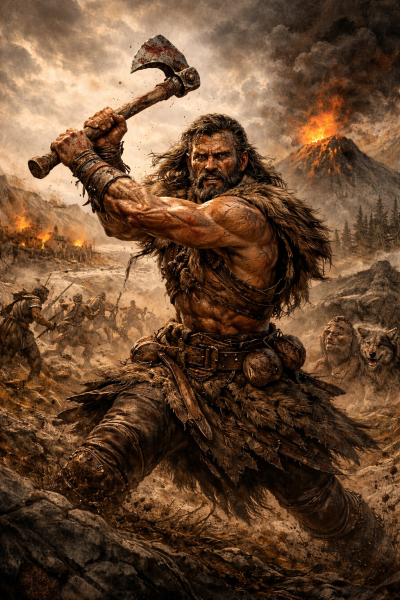
The Warrior Brain is NOT a Glitch. It’s a God Given Gift.

Before the World Was Soft Civilization did not create the warrior brain. Civilization survived because of it. Long before laws, courts, or polite abstractions about peace, human beings existed in a world where violence was not exceptional—it was routine. Hunger, predators, rival tribes, and scarcity were constant pressures. The human nervous system evolved not to be calm, but to be ready.