George Patton’s Secret Weapon Wasn’t a Tank—It Was Faith

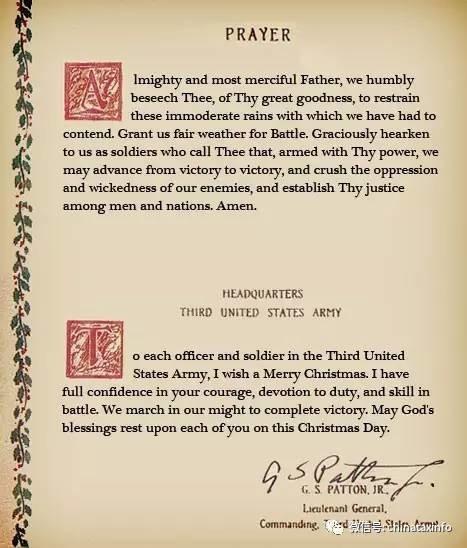
Before the skies cleared over the Battle of the Bulge, General George S. Patton didn’t call for another committee meeting—he called for a chaplain. While modern America places its faith in technology, data, and bureaucracy, Patton believed victory required something more. He prepared relentlessly, commanded fearlessly, and then bowed his head in prayer. Days later, the weather broke, Allied aircraft filled the skies, and Patton pinned a Bronze Star on the chaplain who had written the famous weather prayer. Whether you call it coincidence or providence, one of America’s greatest generals never apologized for believing that faith belonged on the battlefield alongside tanks, artillery, and courage.

Ten Days Before the Bulge: A Letter from Colonel Leander L. Doan

December 6, 1944. Somewhere in Germany. Colonel Leander L. Doan sat down and wrote a letter home. He spoke casually of fighting Panzer Lehr and the Adolf Hitler SS Panzer Division, being wounded, surrounded for 36 hours, and watching the men beside him die. Yet there was no bravado, only the quiet matter-of-fact tone of a combat commander doing his duty. What makes the letter extraordinary is that it was written just ten days before the Battle of the Bulge erupted. Doan had survived Normandy, the breakout across France, and the Siegfried Line, but neither he nor his family knew that some of the war’s hardest fighting still lay ahead. Preserved for more than eighty years, this remarkable letter offers a rare glimpse into the mind of a future Major General standing between two of the most consequential campaigns of World War II.

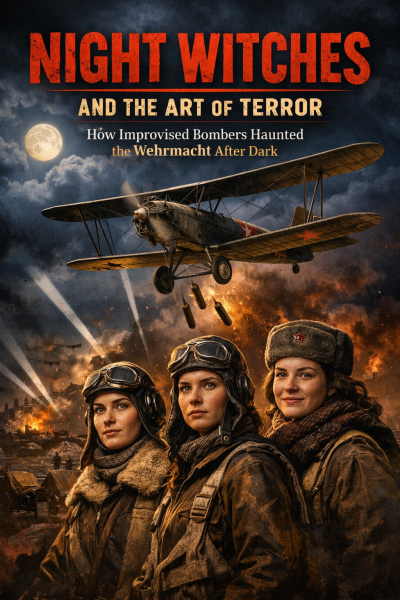
Night Witches and the Art of Terror: How Improvised Bombers Haunted the Wehrmacht After Dark

In 1941, the Soviet Union was being dismantled at industrial speed. Entire armies vanished. Cities fell. Aircraft factories were evacuated east while German armor drove forward. There was no time for elegance. The Red Army needed pilots, aircraft, and pressure on the enemy—immediately. So they did something profoundly unromantic and brutally practical: they took civilians who could fly and turned them into combat airmen.