The Lie We Tell Ourselves About Food—and the Chemical Trick Keeping Billions Alive

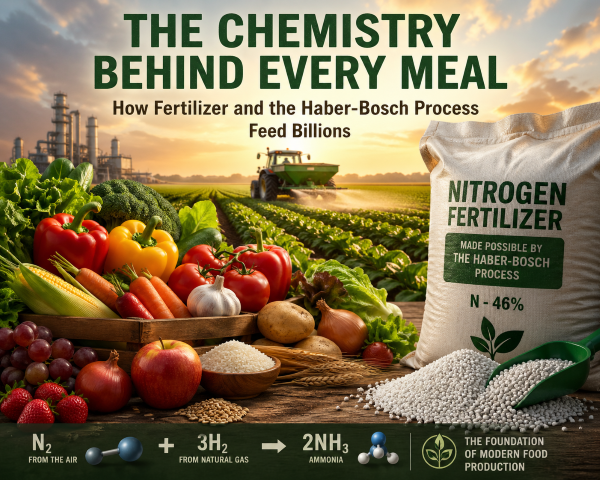
We like to pretend food comes from virtue. Hard work, sunshine, maybe a red barn and a guy in overalls. Reality check: your dinner exists because of industrial chemistry, fossil fuels, and a process that forces atmospheric nitrogen to behave like it’s being interrogated in a back room. At the center of this quiet miracle—and quiet dependency—is the Haber-Bosch process. It doesn’t get headlines. It doesn’t trend. But it’s arguably one of the most important inventions in human history, because it broke the natural limits on how much food we can produce. Without it, the global population wouldn’t look anything like it does today.

From Scorched Earth to Empty Shelves: How Some Wars Are Fought Without Firing a Shot

Future wars won’t thunder across borders on tanks or scream overhead in fighter jets. That’s old-fashioned, noisy, and—worst of all—obvious. The next wars will arrive quietly, wearing lab coats, carrying clipboards, and insisting it’s “just a naturally occurring disruption.” No explosions. No declarations. Just empty shelves, euthanized livestock, and a government spokesperson calmly reminding you that there is no evidence of foul play at this time.