Sword and Scimitar: The 1,400-Year History We Somehow Forgot to Mention
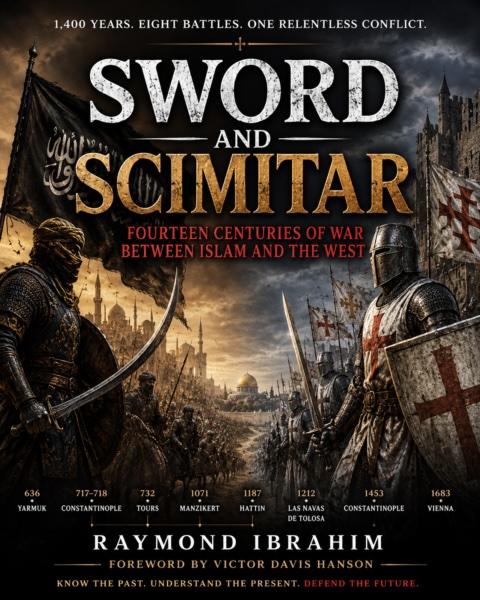
Raymond Ibrahim’s *Sword and Scimitar* commits a dangerous act in modern history: it starts at the beginning. Long before the First Crusade of 1095, Christian lands across the Middle East, North Africa, Spain, and Anatolia had already faced centuries of Islamic conquest and warfare. Through eight pivotal battles spanning more than a thousand years, Ibrahim restores the part of the timeline that somehow keeps falling behind history’s couch cushions. His argument is uncomfortable, provocative, and difficult to dismiss: the Crusades weren’t Chapter One of the conflict—they arrived hundreds of pages into the story. You can debate Ibrahim’s conclusions, but you can’t understand 1095 while pretending 636 never happened.
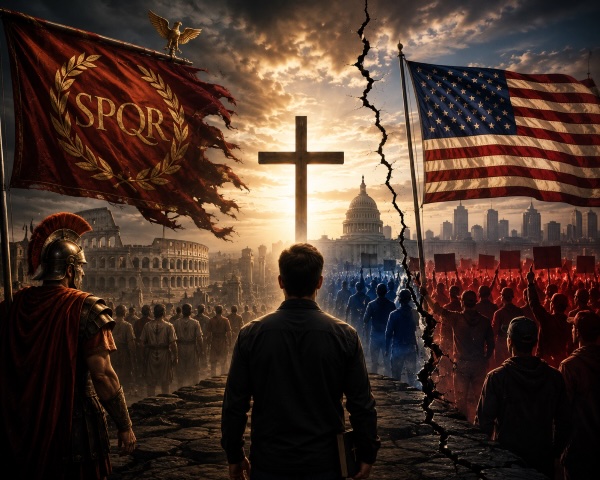
Two Flags, One Heart: Keeping the Faith Should the Republic Crumble

What happens when a nation begins to lose faith in its own elections, institutions, and leaders? History suggests that political polarization can quickly become tribalism, and tribalism can consume a republic from within. But Christians have walked this road before. The Bible never calls believers to place their ultimate hope in governments, political parties, or personalities. Instead, it teaches an ordered loyalty: love your country, serve your neighbors, pray for your leaders—but worship God alone. When the world grows chaotic, the Church should become the calmest place in it, remembering that while kingdoms rise and fall, the Kingdom of God has never required a recount.

From Rome to the Present: A Sobering Reflection”

As the pages of history continue to turn, the striking parallels between the fall of Rome and the challenges faced by the United States today become harder to ignore. Corruption, a weakening political system, and a restless populace seeking stability have set the stage for a thought-provoking comparison. Much like the Roman Republic, the halls …

Read more