Final Dispatch Del Camino
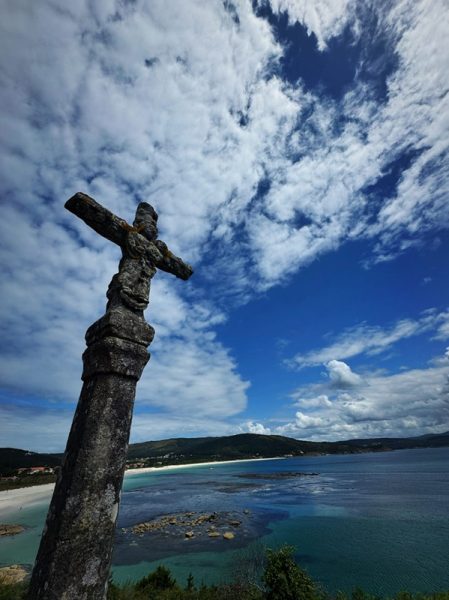
The ancients called this place the end of the world. And that’s what they believed it was.
Citizen Writers Fighting Censorship by Helping Americans Understand Issues Affecting the Republic.
The ancients called this place the end of the world. And that’s what they believed it was.
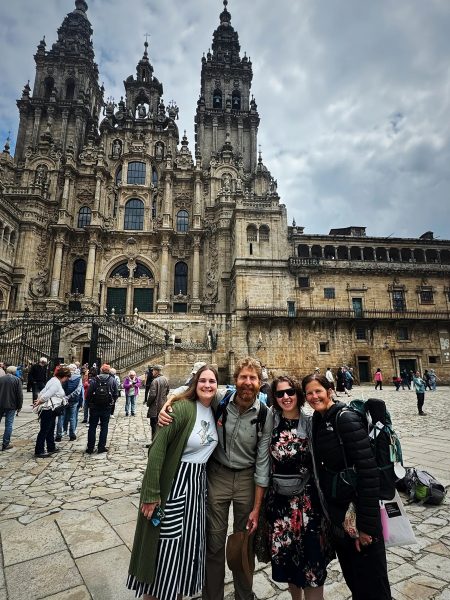
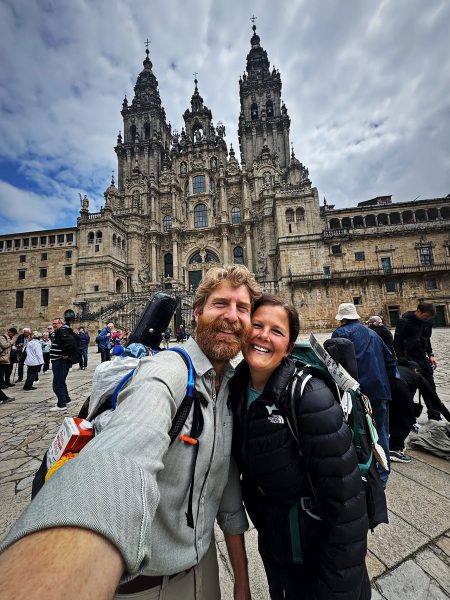
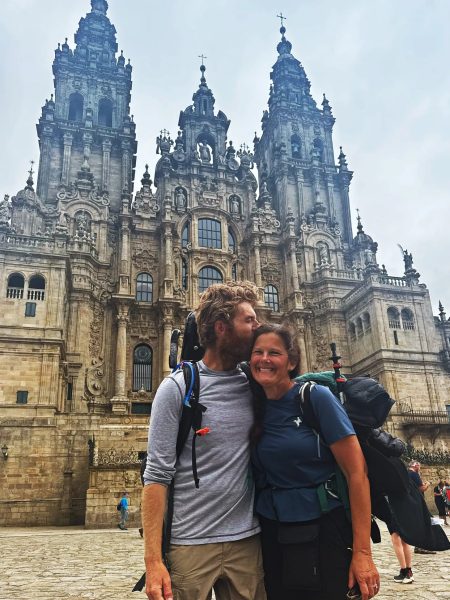
It is among the grandest churches in the world. It is one of the greatest achievements of man that took so long to build that architectural periods changed several times throughout its construction.
Even so, when you walk into Santiago de Compostela the first thing you see is not the cathedral. You neither see the gilded grandeur, nor the ornate.
The first things you see are pilgrims.
Things I’ve seen in Spain.
Little children, deviceless in public, making blatant eye contact with adults, behaving ten years more mature than their age.
Lugo, Spain, is a mini metropolis compared to the remoteness of the Camino Primitivo. For days we have been hiking in isolated mountains and faraway countrysides. It’s startling to see a city suddenly emerge from the landscape.
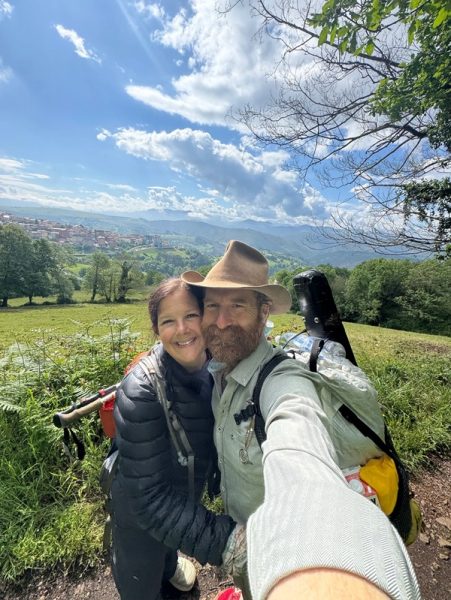
I have learned that everyone walks the Camino for a reason. This is my second Camino, and thus far I have not met anyone who approaches this 1,500-year-old path without a spiritual and emotional objective.
The reasons are not always clear. Sometimes the reasons are even unclear to the person walking. But the reasons are there. They walk so they can find something. Something unnameable.
What is God?
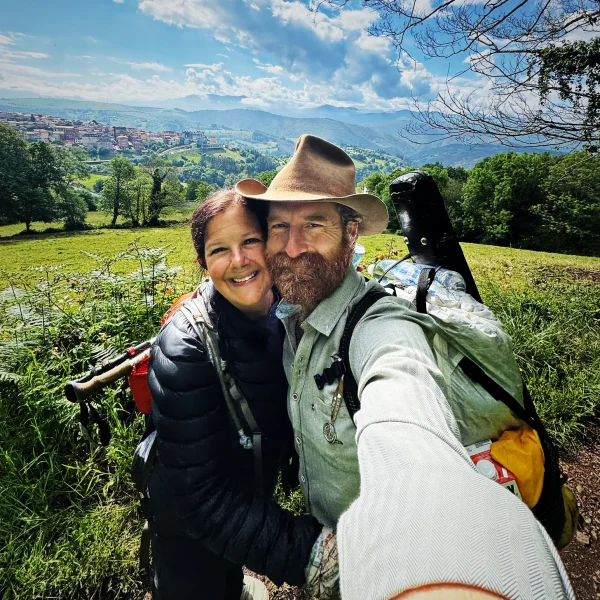
This single question underpins all things on the Camino de Santiago, a trail inhabited by us full-time pilgrims whose lives are contained in backpacks.
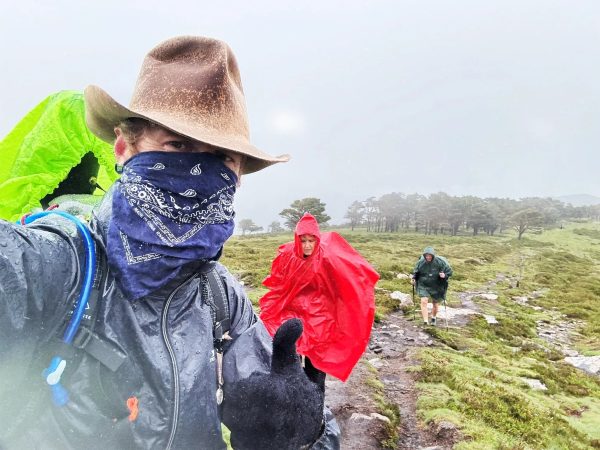
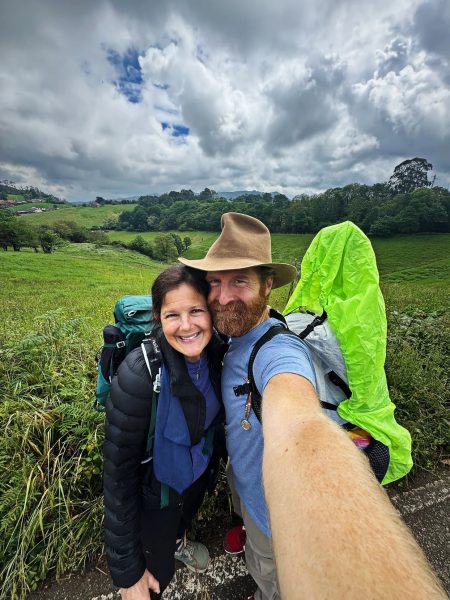
Rain. It never stops coming. Rain, rain, rain. Sometimes it seems like all it does is rain.
It’s been raining for two days now on the Camino Primitivo. And there is no end in sight. Spanish news channels on television, which are wonderful media organizations whose reporters dress exquisitely, speak rapidly, and replay the same four news stories every six minutes, are predicting rain each day this week.
The albergue looks like a mountain chalet. We are snugly situated deep within the Fonfaraón Mountains, which climb high into the Spanish sky, separating us from an entire civilization below the cloud line.
Here atop the world, the mountain peaks look like incarnations of the Appalachians, with a fuzzy, green carpet-like texture, rounded edges, and swooping valleys that gather pools of fog like a white lake.
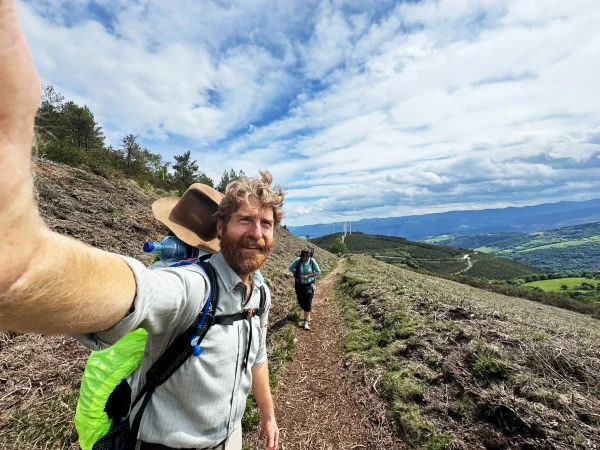
We will be hiking this today.
The village of Tineo is bathed in thick morning fog. The impenetrable miasma is smothering the Sierra de Tineo mountains like a damp dishrag.
The miasma is really spectacular. I have always wanted to use the word “miasma.” But I’ve never had a reason to use it until now. I’ve gone for many, many years with a burning passion to use this word, just like actual authors do in actual classic literature, but alas, I’ve never had the opportunity. Until today. But now that I’ve used “miasma,” I don’t feel any elation inside. In fact, I feel nothing. It was not the exuberant vocabularial experience I was hoping for.
“Take time, pilgrim,” the old Frenchman said. “Take time to stop and smell every flower, not just some of them.”
He was old. If not in body, in soul. What little bit of white hair he once possessed had vanished. So had some of his teeth.
A rooster crows as day breaks over the surrounding Cantabrian Mountains. He crows every few moments, singing an anthem to morning, his voice ringing throughout the tiny village of Cornellana.
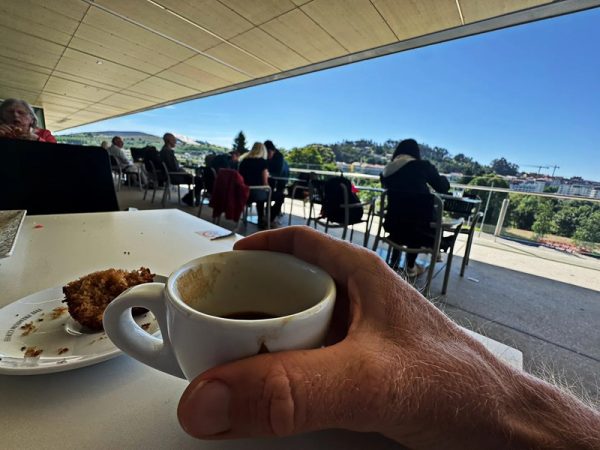
I am in a bar, drinking morning joe. My bartender is working his buns off.
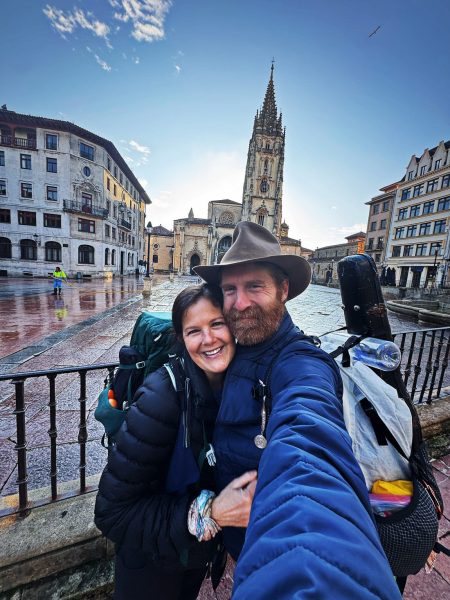
Our first day walking the Camino. We leave our inn at Oviedo a little after daybreak. There are no people on the streets. No cars. Only one stray dog, dutifully cleaning his privates, and one old man hosing down a section of street in front of his shop while smoking a cigar the size of …
We find a table in the old Spanish café and order two cafés con leche. I order our breakfast by repeatedly tapping the menus and saying in English, “Uh, I’m sorry, I don’t know this word…”
My waitress finds my ordering technique amusing.