The Three Human Rebellions: Lessons from Genesis and Modern Reflections

In the early chapters of Genesis, we encounter three pivotal instances of human rebellion that have left a profound impact on the course of human history.
Citizen Writers Fighting Censorship by Helping Americans Understand Issues Affecting the Republic.
In the early chapters of Genesis, we encounter three pivotal instances of human rebellion that have left a profound impact on the course of human history.

Jesus of Nazareth’s life, teachings, and the miracles attributed to him have sparked profound discussions and debates across cultures and centuries.

Last time we met, we looked at the first three commandments that God gave to his people through Moses. For the purposes of better understanding western thought, it is critical to recognize that the Ten Commandants have been the bedrock of western morality for centuries. As we discussed, the entire law of Moses is predicated on two …
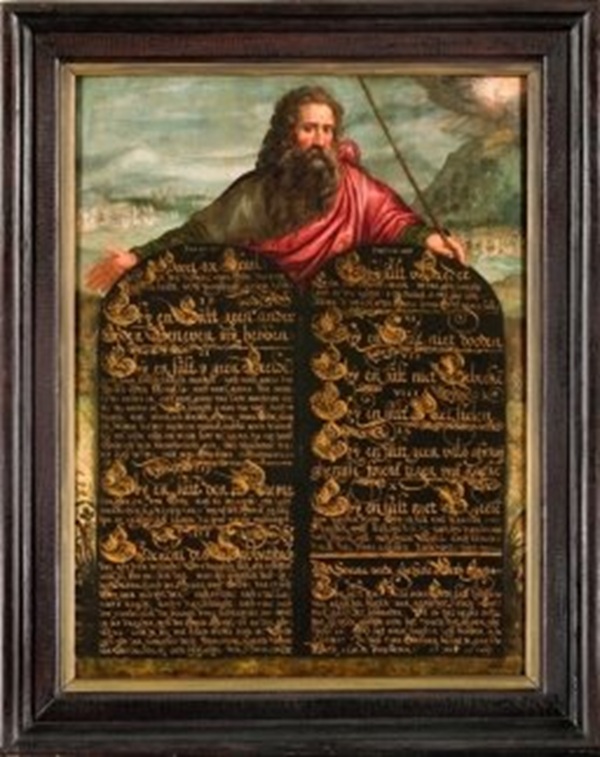
As we continue to explore the philosophical basis for western civilization, it is key to understand that the underpinnings of what we consider morality today is rooted in the Ten Commandments of the Hebrew Torah. Whether one considers them to be divinely inspired or not, they have been pillars of our civilization for centuries, and it …
Robert Conquest’s Second Law of Politics states: “Any organization not explicitly right-wing sooner or later becomes left-wing.” The corollary logic is that progressive activists, being more ideologically motivated than moderates, systematically infiltrate, outlast, and eventually dominate institutions — whether universities, media organizations, NGOs, professional associations, or political parties.
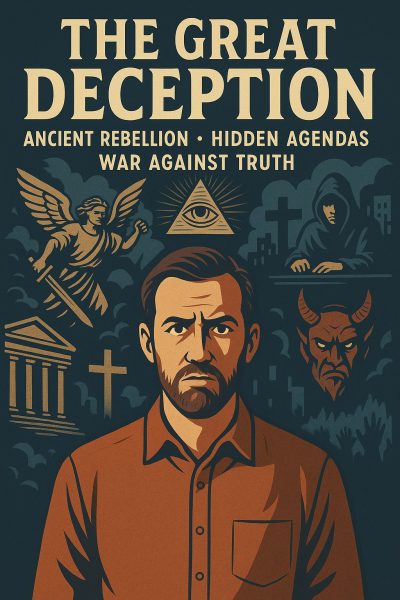
For centuries, people have sensed that something is wrong with the world—that there are unseen forces pulling the strings behind governments, religions, wars, and ideologies.

An outsider would expect the mullahs to face the reality that they are soon to be deposed, but instead, they defiantly keep on appointing new placeholders to fill the roles that the coalition has made vacant.

In 1830, Joseph Smith founded what would become The Church of Jesus Christ of Latter-day Saints, introducing a unique set of scriptures and doctrines that diverge from historic Christianity. While Mormons and Christians share many moral values—family, honesty, service—their theology differs sharply at several key points.

Two hundred years ago, a gloomy English preacher named Thomas Malthus did some math and decided the human race was doomed. People, he warned, breed like rabbits while food grows like turnips.

The Holy Grail has long been shrouded in mystery, often depicted as the sacred cup used by Jesus at the Last Supper or the vessel that caught his blood at the Crucifixion. However, alternative interpretations suggest the Grail is not a physical object but a symbol of esoteric knowledge—perhaps a guide to saving humanity or the Earth from catastrophe.

Once upon a time in the sun-drenched hills of southern France, a group of spiritual minimalists called the Cathars decided to challenge the Catholic Church.

When Cardinal Robert Francis Prevost was elected pope, he chose the papal name Leo. In Latin the name means lion. My confidant explained, “Leo is an Augustinian, so the choice reflects a desire to reconnect with the past, more toward the foundations of the Church

Dante’s Inferno is not just an imaginative journey through Hell—it is a moral argument. The poem presents a world where every sin has a price, where wrongdoers receive punishments perfectly suited to their crimes.

In today’s world, where persecution of Christians is an unfortunate yet thriving trend, it’s remarkable how little attention it garners in mainstream media.
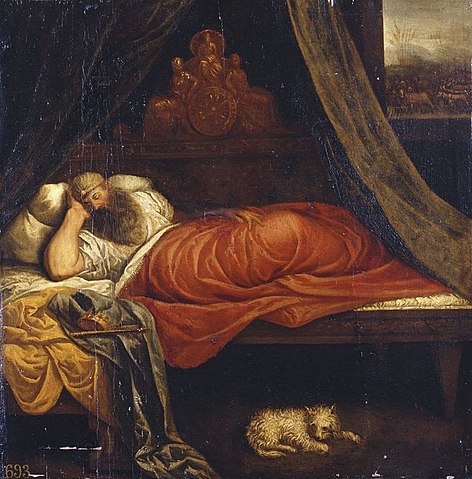
Finally, there will be a fourth kingdom, strong as iron—for iron shatters and breaks everything—and just as iron smashes everything, so will it shatter and crush all others.

For those trained in Aristotelian thought, Christianity required not just belief—but an intellectual transformation.

Thomas Aquinas, guided by divine wisdom, took the writings of Aristotle—pagan, rationalistic, and seemingly foreign to Christian revelation—and redeemed them for the glory of God.

Throughout history, swords have symbolized power, conquest, and authority. In most religions and cultures, the sword represents physical warfare, divine judgment, or the enforcement of justice.

Paul explicitly foretells us: Remember this! In the last days there will be many troubles, because people will love themselves, love money, brag, and be proud. Can you relate?

Genesis 3:15, often called the “Protoevangelium,” is a foundational verse in Christian theology, announcing the first glimmer of hope after humanity’s fall into sin.