Bless Those Who Bless You”: When Christian Zionism Becomes Political Idolatry
For decades, Christian Zionists — usually the loudest voices in the evangelical and fundamentalist camp — have weaponized that verse into a geopolitical loyalty oath.
Citizen Writers Fighting Censorship by Helping Americans Understand Issues Affecting the Republic.
For decades, Christian Zionists — usually the loudest voices in the evangelical and fundamentalist camp — have weaponized that verse into a geopolitical loyalty oath.
The surprise about The Satanic Bible is that it isn’t really about devils. It’s about power. Stripped of capes and candles, the book reads like a manual for breaking down civic bonds and replacing them with private whim — which is exactly what totalitarians, petty tyrants, and authoritarian movements have always wanted.
During World War II, America quietly became a warden to over 425,000 prisoners of war—mostly Germans, Italians, and a few thousand Japanese. They arrived in Liberty ships and railcars, scattered to more than 700 camps across 46 states.
Anton Szandor LaVey wasn’t born a villain — he rehearsed and performed one. Born Howard Stanton Levey in 1930, he reinvented himself as “Anton” and built a career out of spectacle, provocation, and carefully staged outrage.
Well, the federal government has finally achieved something historic — the longest shutdown in U.S. history. Congratulations, Washington! You’ve officially proven that when you stop working, nothing really changes.
Once upon a time, every Army post had a Rod & Gun Club. Soldiers swapped stories over clays and venison stew, learned real firearm safety, and taught their kids what stewardship and discipline looked like. The firing line wasn’t political; it was practical. It built better Soldiers, shooters, better conservationists, and frankly, better Americans.
Dear Karen, We need to talk. Not about your latte, not about your emotional support Yorkie, and not about your urgent need to “speak to the manager.” This is an educational intervention.
Taylor Swift began as the embodiment of the “girl next door” myth — poetic, wide-eyed, a guitar and a journal full of heartbreaks.
In 1830, Joseph Smith founded what would become The Church of Jesus Christ of Latter-day Saints, introducing a unique set of scriptures and doctrines that diverge from historic Christianity. While Mormons and Christians share many moral values—family, honesty, service—their theology differs sharply at several key points.
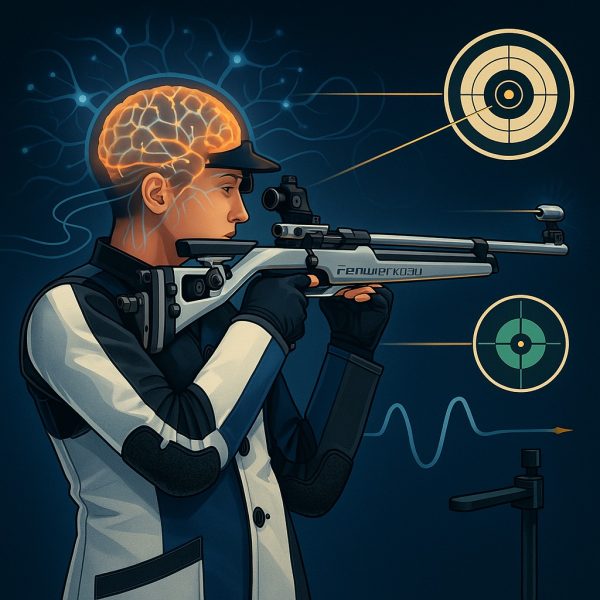
There’s a moment every great athlete eventually discovers — a flash so brief it hides between heartbeats. It feels like magic, but it isn’t. It’s the highest form of motor control: the point where training replaces thinking.
Remember the Yugo? That tiny, boxy, bargain-bin miracle that proudly declared, “Yes, I’m new, but no, I won’t last the winter”? For a brief, shining, oil-leaking moment in the mid-1980s, America fell in love with the world’s cheapest new car.
Picture it: America, 2030. Everyone’s retired at 27. We all get a “guaranteed annual income” big enough to keep us stocked with weed, Doritos, and Netflix subscriptions. Nobody works anymore, but somehow the lights stay on
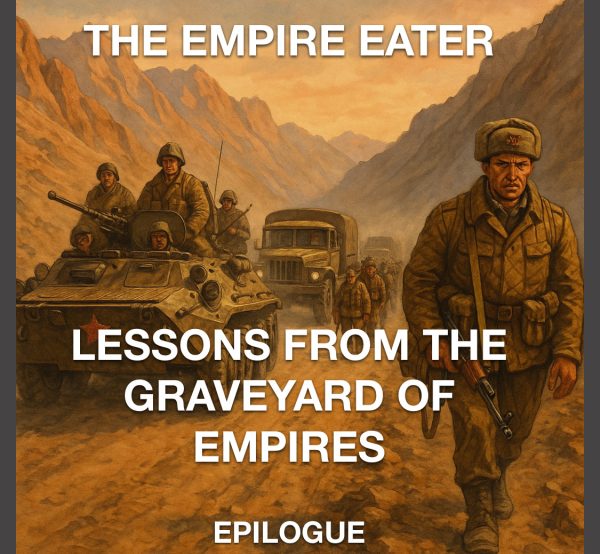
They called Afghanistan “The Graveyard of Empires,” and by the time the Soviets showed up, it already had a headstone collection. The Persians, the Greeks, the Mongols, and the British were all buried there in one form or another. Still, the Soviets thought they could be different. They always do.
We humans were built with two brain hemispheres for a reason. The left hemisphere handles logic, reason, and order — the spreadsheet half that alphabetizes the soup cans. The right hemisphere deals in creativity, intuition, and art — the half that paints the soup cans and calls it “social commentary.” Together, they make a functioning human being.
Fast-forward another century, and the players have changed — but the mountains haven’t. After 9/11, the United States and its NATO allies, including Britain, marched into Afghanistan to root out the Taliban and rebuild the nation.
The system brags about meeting “state standards,” but half those standards were written by people who couldn’t change a tire, much less balance a budget. So we end up with teenagers who can solve for x but can’t make change for a $20.
Part II — The Empire That Wouldn’t Quit (1878–1880, 1919) Most nations learn from pain. Empires just reload. Four decades later, London decided another Afghan “adjustment” was needed. The Russians were sniffing around again, and Britain wanted control of Kabul’s foreign policy. Cue Round Two, where British troops marched back into Afghanistan and once again …
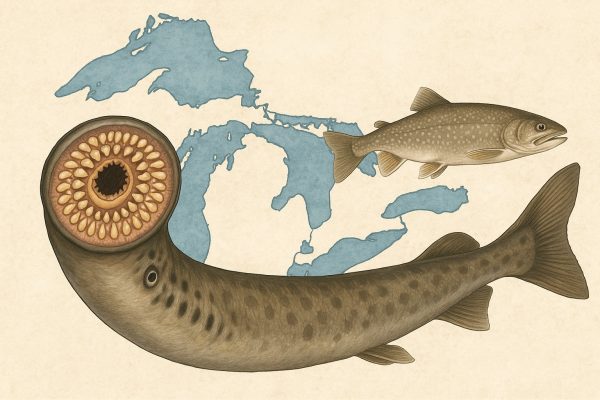
Since the 1950s, state and federal agencies have been “fighting” the sea lamprey invasion with all the efficiency and results of a three-legged sloth chasing salmon upstream. Seven decades later, the lampreys are still here
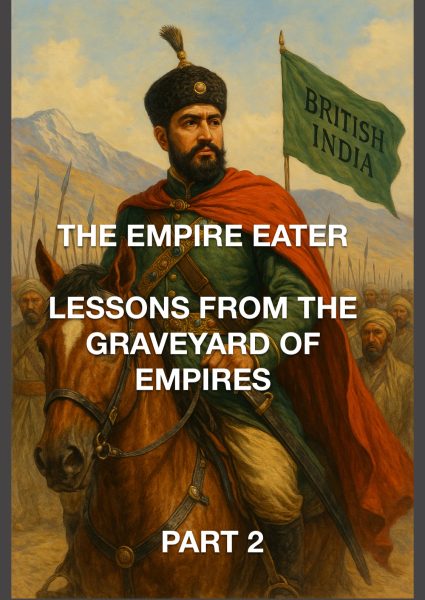
They called it the Great Game — the 19th-century chess match between Britain and Russia for control of Central Asia. Somewhere between tea time and arrogance, the British decided Afghanistan would make a lovely buffer zone between their Indian colony and the advancing Russians.
Hey, remember that wild farmer strike in the Netherlands a couple years back? The one where thousands of angry Dutch farmers rolled their tractors onto highways, blocked airports, and sprayed manure at government buildings because the government wanted to shut down half their farms to “save the environment”? Well — guess who was running that …