Dispatches Del Camino

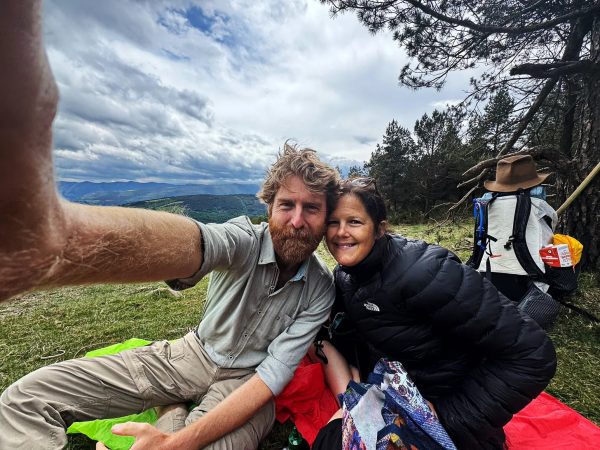
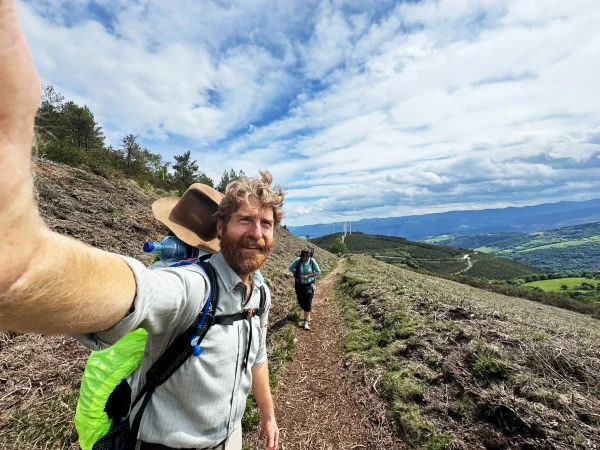
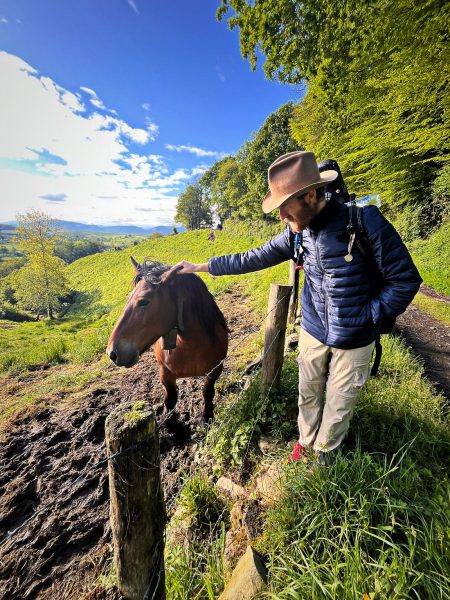
The albergue looks like a mountain chalet. We are snugly situated deep within the Fonfaraón Mountains, which climb high into the Spanish sky, separating us from an entire civilization below the cloud line.

Here atop the world, the mountain peaks look like incarnations of the Appalachians, with a fuzzy, green carpet-like texture, rounded edges, and swooping valleys that gather pools of fog like a white lake.

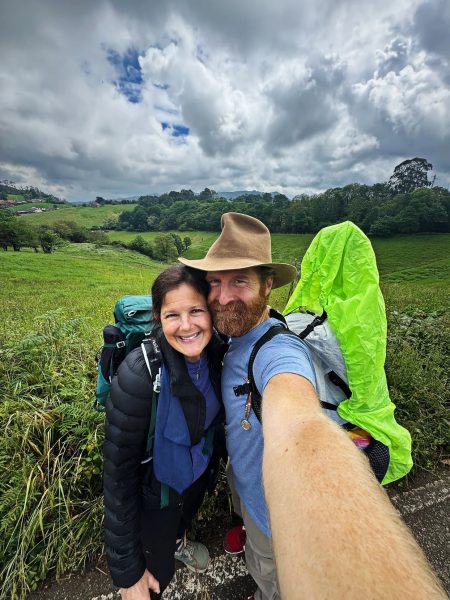
We will be hiking this today.

Dispatches Del Camino

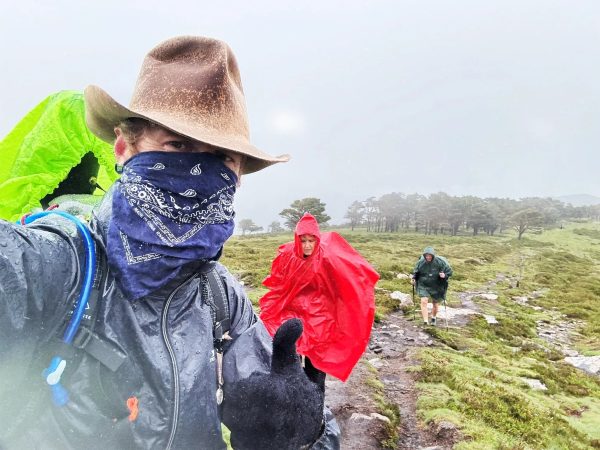
The village of Tineo is bathed in thick morning fog. The impenetrable miasma is smothering the Sierra de Tineo mountains like a damp dishrag.

The miasma is really spectacular. I have always wanted to use the word “miasma.” But I’ve never had a reason to use it until now. I’ve gone for many, many years with a burning passion to use this word, just like actual authors do in actual classic literature, but alas, I’ve never had the opportunity. Until today. But now that I’ve used “miasma,” I don’t feel any elation inside. In fact, I feel nothing. It was not the exuberant vocabularial experience I was hoping for.

Iran: The Revolution That Ate Its Own Children – A Brief History

When Americans think about Iran, the story usually begins in 1979—angry crowds, burning flags, and a stern cleric named Ayatollah Khomeini taking control of the country. But that snapshot hides something important. Iran—historically Persia—is one of the world’s oldest civilizations. Its history stretches back thousands of years, and the country that emerged after 1979 is not the inevitable outcome of Persian history. In many ways, it was a political accident born from revolution, miscalculation, and a brutal consolidation of power.