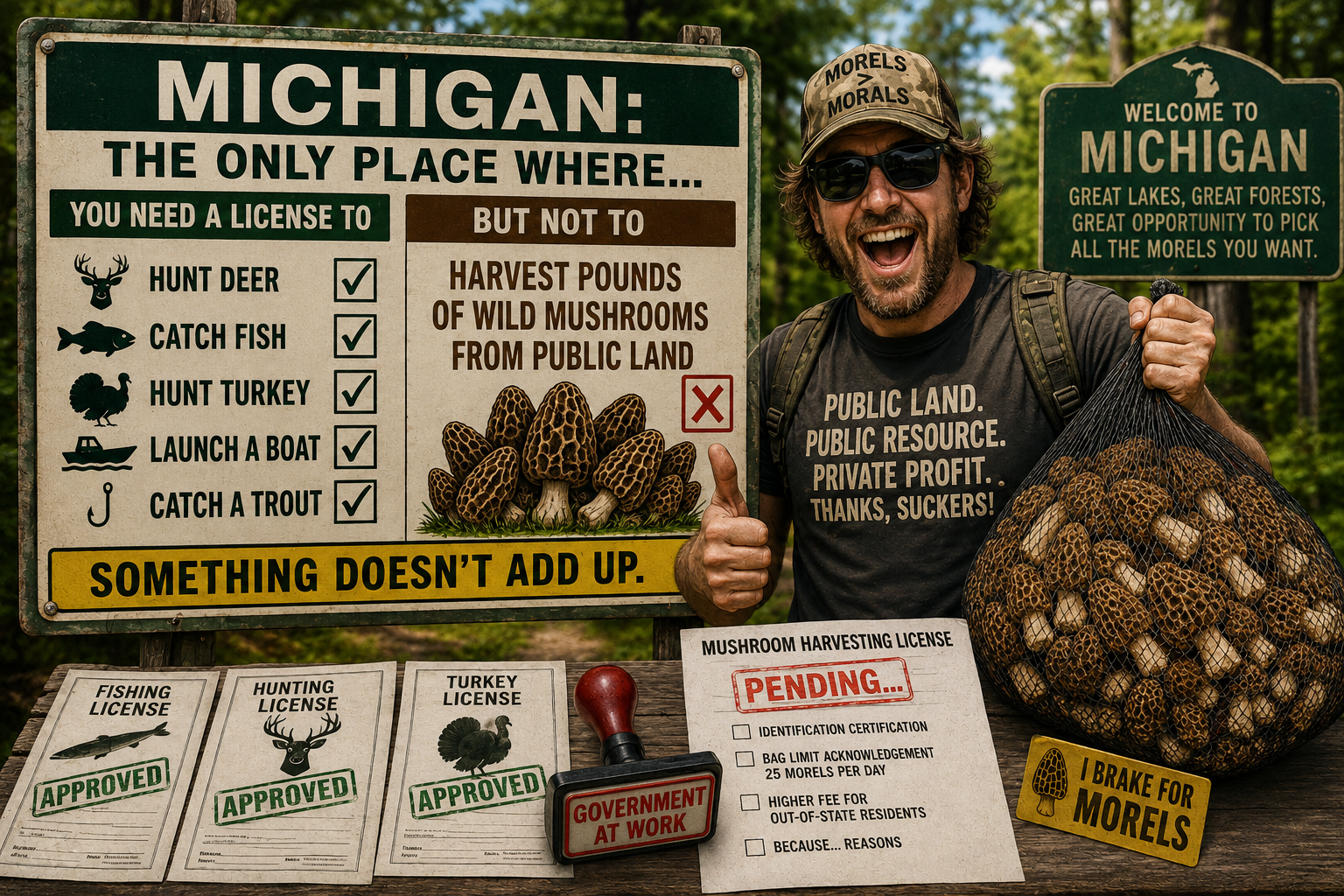
Michigan Needs a Mushroom License — And Deep Down, You Know It

Every spring in Michigan, the forests erupt into a full-scale fungal gold rush. Pickup trucks jam two-tracks. Facebook groups trade morel coordinates like cartel smugglers swapping contraband routes. Grown adults crawl through the woods in camouflage carrying mesh bags full of mushrooms worth more per pound than some cuts of steak. And through all of it, the State of Michigan collects exactly zero dollars from one of the largest seasonal harvest activities on public land.

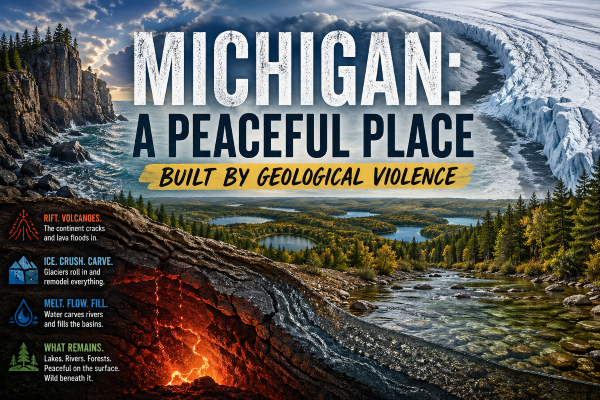
Michigan: A Peaceful Place Built by Geological Violence

Stand on the bank of the Au Sable River at sunrise and it’s all mist, pine trees, and trout quietly minding their business. Feels like the kind of place that’s always been this way—stable, predictable, friendly. It hasn’t. Michigan is what happens when the earth tries to tear itself apart, fails, gets buried, frozen, crushed, flooded, and then—only after all that—decides to look nice about it.

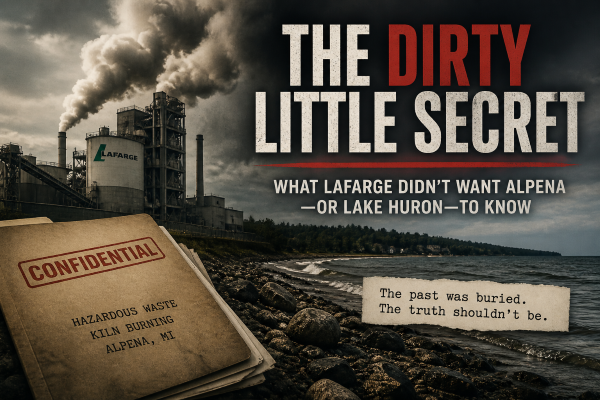
Alpena’s Dirty Secret: When “Alternative Fuel” Starts Looking Like Alternative Reality

Systech Environmental—pitched a brilliant idea: instead of burning traditional fuels, why not torch hazardous waste in the kiln? Tires, solvents, industrial byproducts—if it could burn, it could earn. Companies paid to get rid of their waste, Lafarge saved on fuel, and everyone shook hands like they’d just invented fire. The pitch was wrapped in the kind of language only a regulatory lawyer could love: “resource recovery,” “alternative fuels,” “energy efficiency.” What it meant in plain English was this: Alpena became a destination for waste that nobody else wanted, cooked at 2,500 degrees and released into the same air the locals were breathing.