Joel’s Warning, Joel’s Promise
Joel’s prophecies of judgment, repentance, and the outpouring of the Holy Spirit remind us that God disciplines those He loves to draw them back into relationship with Him.
Citizen Writers Fighting Censorship by Helping Americans Understand Issues Affecting the Republic.
Joel’s prophecies of judgment, repentance, and the outpouring of the Holy Spirit remind us that God disciplines those He loves to draw them back into relationship with Him.

If we know the Gospel, we must warn others.
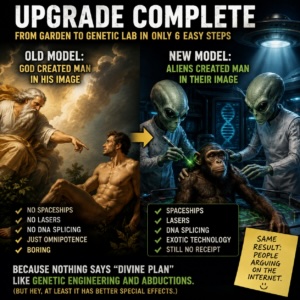
Somewhere along the way, America decided Genesis was too unbelievable—but extraterrestrials flying across the galaxy to genetically modify primitive hominids sounded perfectly reasonable. From Mark Passio’s theories to Ancient Aliens and today’s UAP obsession, an alternative creation story has quietly seeped into popular culture. We didn’t stop asking who created us; we just traded heaven for outer space, angels for aliens, and creation for a genetics lab in a spaceship. God was apparently too unbelievable—so we gave Him a spaceship.

There’s no question that America has turned away from God. Yes, there are some true Christ followers left who sincerely love and seek the Lord with all their hearts, but their numbers are few, and Jesus said it would be this way.
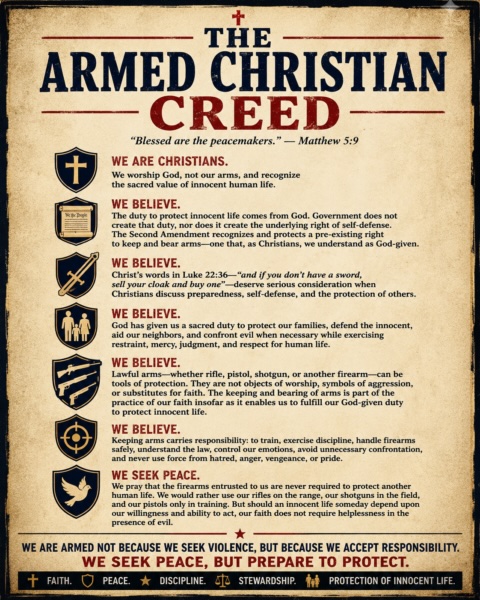
What if the duty to protect your family didn’t begin with the Second Amendment at all? The Armed Christian Creed argues that our responsibility to defend innocent life comes from God, while the Constitution simply recognizes and protects a pre-existing right to keep and bear arms. We worship God, not our arms. They are not symbols of aggression, but tools carried with discipline, humility, and the hope they are never needed. The firearm is not sacred. The life we may someday be called upon to protect is.
When life puts us in an unexpected holding pattern, we can trust that God is present and working—even when all we can see is an empty concourse and a flashing DELAYED sign.

“There’s a lot of things in this ole’ world that just do not make sense.” Those are the opening words of our WCN TV theme song. WCN TV is our weekly internet talk show that airs live every Tuesday at 5 pm central time. You can watch live — and be a part of the interactive conversation when you tune in at WCNTV.net . You can also watch any time, by going to our TV website or by viewing on Rumble.com. Just search for “WCN TV.”
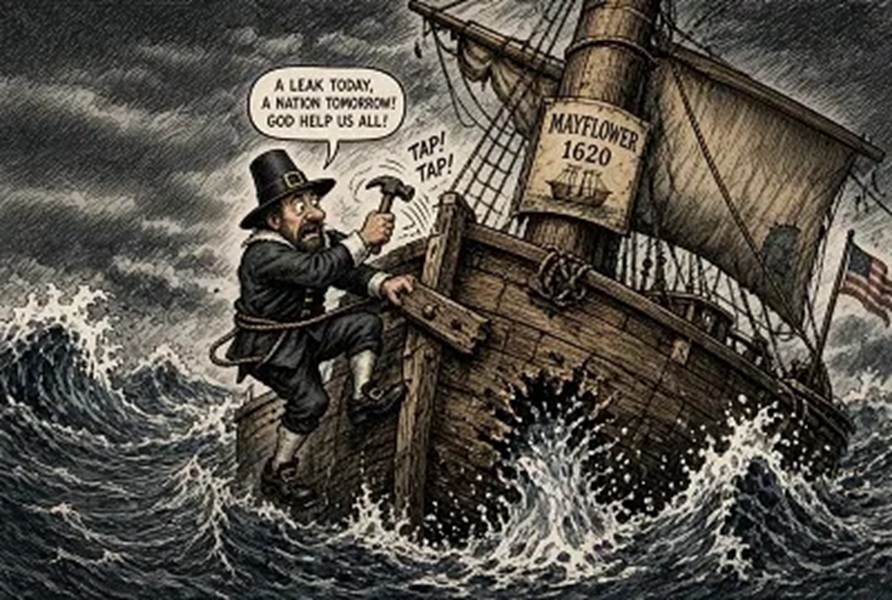
A Democrat candidate for governor of Wisconsin wants to cancel Thanksgiving over colonialism—aka civilizing a savage continent. The anti-white fervor on college campuses has spread to throughout the Democrat Party and the halls of government.
She wants to replace it with a 6-course celebration on menstruation.
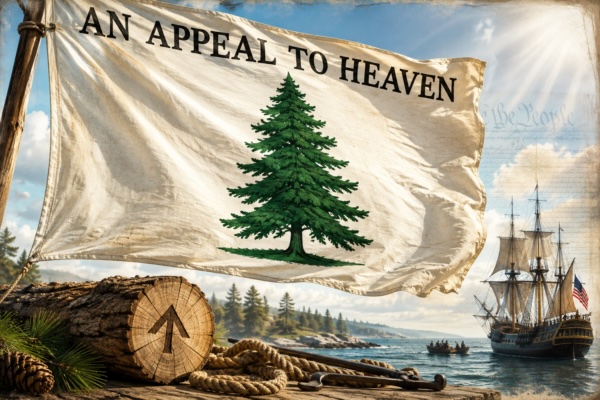
Long before Americans argued about flags on social media, our ancestors managed to make a tree politically dangerous. Britain reserved many of New England’s great white pines for the Royal Navy—even trees growing on colonial lands—marking them with the King’s Broad Arrow. The pine became a symbol of something much bigger: ownership, natural rights, independence, and the stubborn belief that free citizens had both the right and responsibility to defend their country. That’s why an evergreen ended up beneath the words “AN APPEAL TO HEAVEN.”
Even during the spiritual “dog days,” when our hearts feel weary and our motivation fades, God invites us to keep seeking Him and promises to renew our strength.

We have millions of people living in the United States today who are not American citizens. They come from countless other nations, most of which do not share our morals or values. Many worship false — and violent — gods. Many follow false religions, and cults with radical ideologies. What’s even worse is that today, we have many government officials, leaders, and people in powerful positions of control that have no business being there, because they’ve never met the requirements for US Citizenship, they have contempt for our US Constitution and have no intention of ever assimilating to our culture.
Helping you connect with God. Every day. Every way. Read along with today’s devotional: https://www.odbm.org/en/devotionals/devotional-category/costly-faithfulness Want to get Our Daily Bread’s daily devotionals delivered to your inbox or mailbox? Subscribe for free here: https://odbm.org. Our Daily Bread Ministries helps millions of people connect with God each day. For more than 75 years, our purpose has …
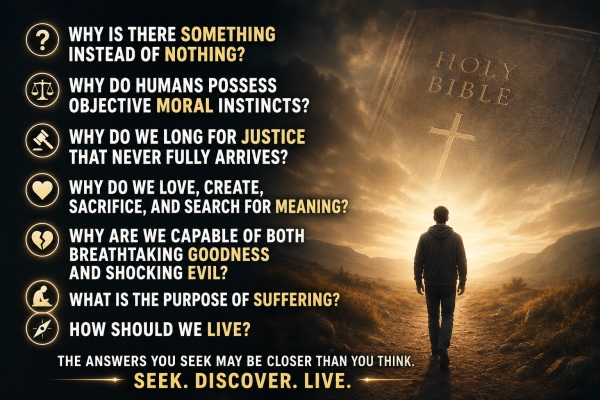
Every generation invents a new philosophy, a new guru, or a new formula for happiness. Yet the questions that have haunted humanity for thousands of years refuse to go away. Why are we here? Why does evil exist? Why do we long for justice? What gives life meaning? Long before self-help books, podcasts, and influencers, one book confronted those questions head-on. Whether you approach it with faith or skepticism, the Bible remains the only book that doesn’t simply tell us how to live—it first explains why life exists at all. Before dismissing its answers, perhaps we should ask whether any other worldview explains reality, morality, purpose, suffering, and the human condition more completely.
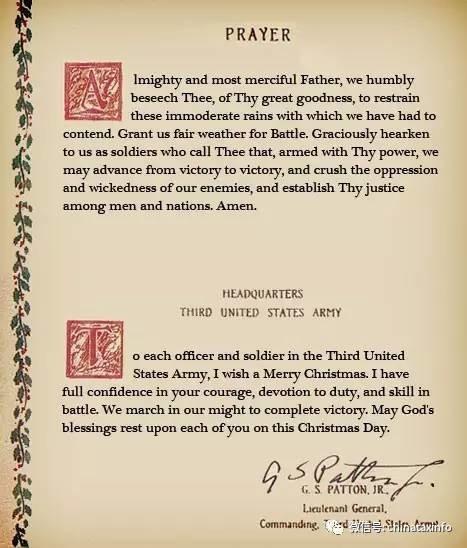
Before the skies cleared over the Battle of the Bulge, General George S. Patton didn’t call for another committee meeting—he called for a chaplain. While modern America places its faith in technology, data, and bureaucracy, Patton believed victory required something more. He prepared relentlessly, commanded fearlessly, and then bowed his head in prayer. Days later, the weather broke, Allied aircraft filled the skies, and Patton pinned a Bronze Star on the chaplain who had written the famous weather prayer. Whether you call it coincidence or providence, one of America’s greatest generals never apologized for believing that faith belonged on the battlefield alongside tanks, artillery, and courage.

God pours out showers of grace and righteousness on His people, then sends us into the world to become a blessing to others.

Truth is not determined by our feelings, our experiences, or whatever is popular this week. Even the most profound spiritual encounter still leaves one question unanswered: Is it true?
After years of searching through war, trauma, interviews, and extraordinary experiences, Shawn Ryan says his search led him to a simple conclusion—not another philosophy, not another experience, but Jesus Christ and the Bible. Whether you agree or not, his journey is a reminder that the greatest question any of us can ask isn’t, “What did I experience?” It’s, “What is true?”
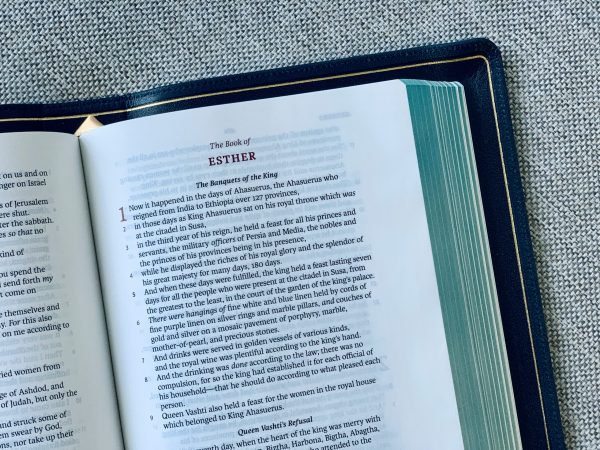
God has placed you exactly where you are, at exactly this moment, with the gifts and opportunities you need to faithfully serve Him—for such a time as this.

Jim was stuck. In the middle of the rural two-lane highway. Right there on the pavement. Not far from the solid yellow line. Tucked tightly in his shell. Scared to death.
Vehicles sped past little Jim, on both sides, shooting by with the deafening roars of F-16s.

It was late. I was leaving South Carolina, where I’d just made a speech in Columbia. I had an all-night drive ahead of me.

White House ‘drug czar’ Sara Carter describes the severity of the drug crisis in America and what the Trump administration is doing to target cartels on ‘My View with Lara Trump.’