Stones, Spectacle, and Shortcuts: The Wilderness Temptation and the Blueprint We Pretend Not to See

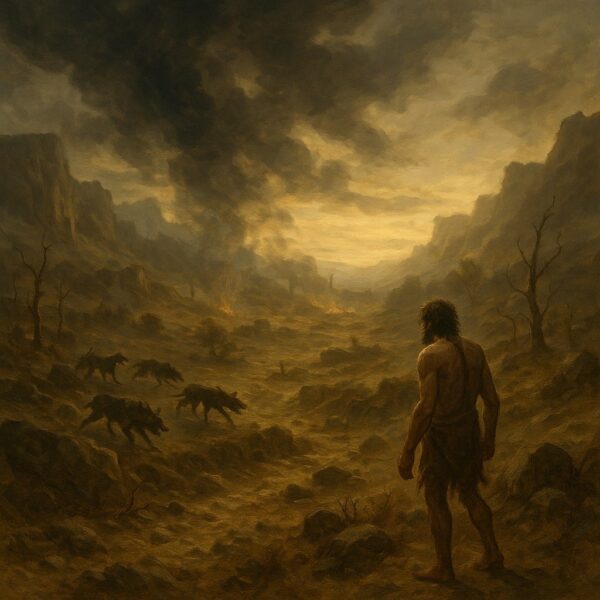
The temptation of Jesus Christ in the wilderness is one of those passages Christians nod at politely and then immediately ignore when Monday morning rolls around. Forty days of fasting, a barren desert, and Satan offering three proposals that look suspiciously like modern self-help advice. If you think it’s a children’s Sunday school story about resisting candy, you’ve missed the plot. It’s a masterclass in how power, identity, and survival actually work in the real world.

The Interface, the Code, and the War: Why Christianity Becomes Offensive

Some of the sharpest minds of the last century sensed the reductionist story was missing something. Carl Jung looked inward and saw conflict. The ego — the conscious “I” — wants control, moral self-justification, narrative dominance. It insists on sovereignty. Jung recognized the ego was not the whole self and that something beyond it pressed inward, demanding humility and reordering. He called that pressure the “Self.” He diagnosed the tension correctly. He simply refused to name the external authority behind it.

Not Random, Not Accidental: Chuck Missler and the Case for an Engineered Reality

When Missler said we may be living in something like a simulation, he meant that physical reality functions like a user interface. We experience the front end. The underlying code — the laws, constants, and constraints — operate beneath our direct perception. Just as you don’t see the binary code behind your screen but interact with its output, we interact with a physical world governed by informational architecture we didn’t write.

Why Christians Feel Obligated to Defend Israel—and Why the Bible Never Commands It

There is a quiet anxiety baked into much of modern American Christianity: if you don’t support Israel—always, loudly, and without qualification—God might notice. Entire churches treat Israeli foreign policy as a third sacrament. Question a settlement policy or a military response and someone will reach for Genesis 12 like it’s a theological panic button. This fear wears the costume of faith, but it isn’t biblical. It’s superstition with a study Bible.

Babel with a Budget: Why Big Systems Always Eat Themselves

So we keep building Towers of Babel—just with better branding, larger budgets, and more acronyms. Corporations, governments, military bureaucracies, international institutions—all convinced that if we just add one more layer, one more committee, one more compliance office, the tower will finally reach heaven.

From Foundations To Finish Lines; The connection between Hebrews 6:1 and Hebrews 12:1 (Sermon delivered January 25, 2026)

Author’s Note: This is the latest message I delivered at First Baptist Church of Montana. It is part of a series based on Hebrews 10:23 and focuses on the “Let us” verses throughout the book. In 10:23, it is written, “Let us hold unswervingly to the hope we profess, for he who promised is faithful.” …

Read more

Men of Renown, Gods of Deception: Why Greek and Roman Myths Sound Like the Bible’s Oldest Warning

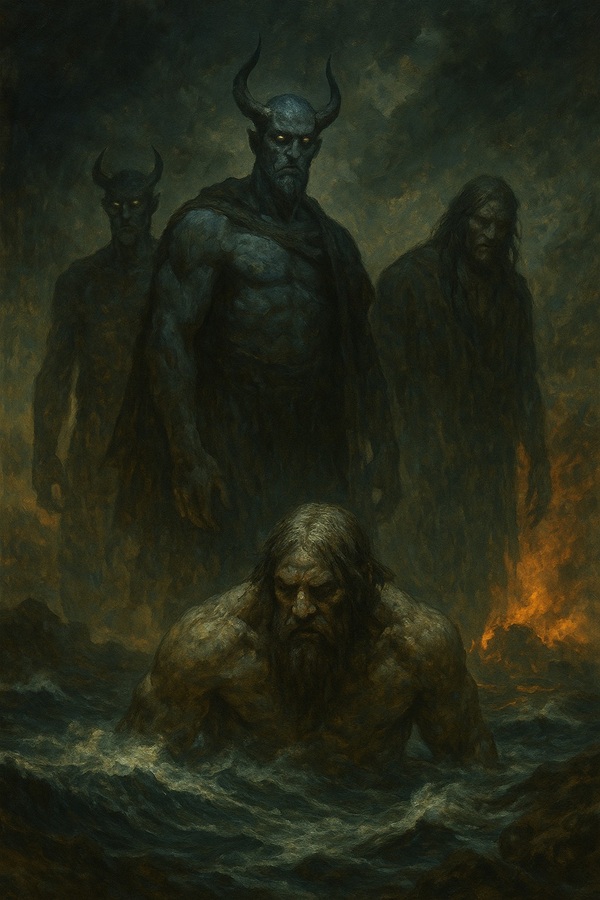
Below the marble statues and museum mythology, the Greek and Roman “lesser gods” look suspiciously like something the Bible already warned us about: rebellious spiritual beings posing as divine authorities, corrupting humanity, and manufacturing a counterfeit religion of power, lust, blood, and “enlightenment.”

How Milton Wrecked the Bible: The Fictional Poem That’s Confused the Christian Church since 1667

For centuries Christians have fought to defend the Bible from skeptics, critics, and cultural drift. But very few have noticed the far more subtle intruder that reshaped their theology from the inside out. It wasn’t a philosopher or a heretic. It wasn’t Darwin, Nietzsche, or any modern movement. It was a poet.

You Never Heard This Story in Sunday School

One of the quiet tragedies of church history is not that Christians rejected the Bible, but that—at a critical moment—they reinterpreted it to survive cultural pressure. Instead of allowing Scripture to challenge the assumptions of the age, parts of the Church chose to soften the Bible’s worldview so it would sound reasonable to the world it was trying to convert. Over time, that accommodation didn’t just adjust emphasis; it changed how entire passages were understood.