When Government Rewards Evil: The Biblical Line Between Obedience and Resistance

Christians are frequently reminded that Romans 13 tells us to obey governing authorities. Fair enough. But what happens when government reverses its God-given assignment—punishing good, protecting evil, or commanding Christians to violate their conscience? Scripture actually answers that question, and the answer is considerably less comfortable than “just obey.”
The Questions That Refuse to Die

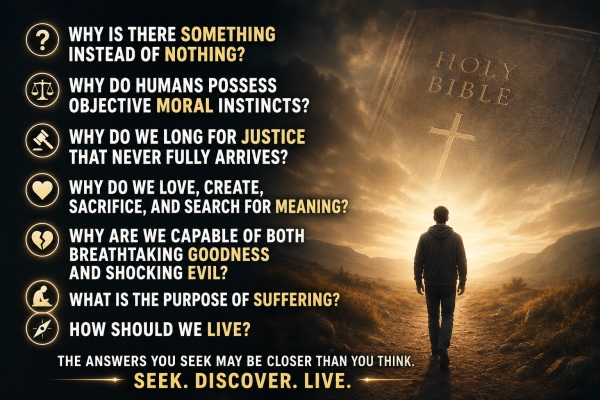
Every generation invents a new philosophy, a new guru, or a new formula for happiness. Yet the questions that have haunted humanity for thousands of years refuse to go away. Why are we here? Why does evil exist? Why do we long for justice? What gives life meaning? Long before self-help books, podcasts, and influencers, one book confronted those questions head-on. Whether you approach it with faith or skepticism, the Bible remains the only book that doesn’t simply tell us how to live—it first explains why life exists at all. Before dismissing its answers, perhaps we should ask whether any other worldview explains reality, morality, purpose, suffering, and the human condition more completely.

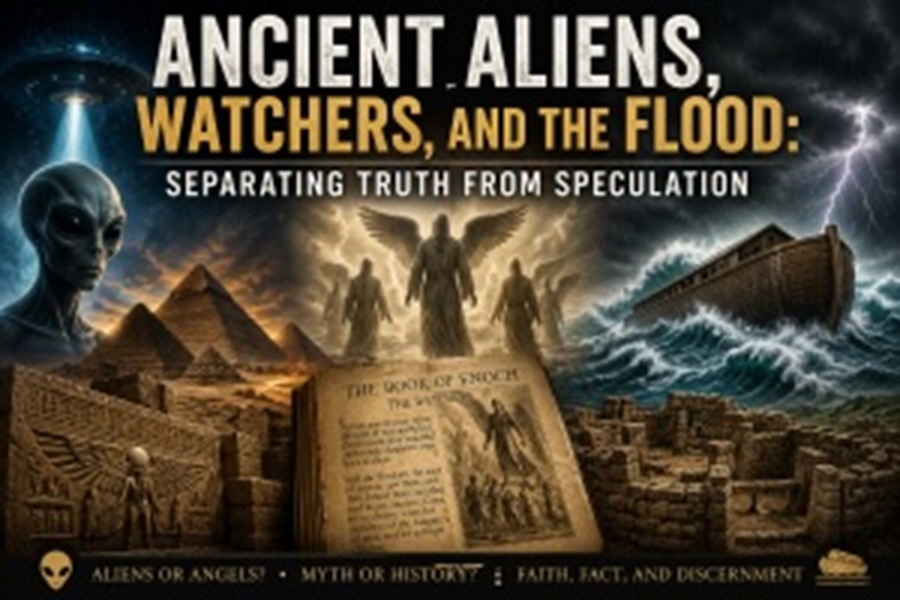
Ancient Aliens, Watchers, and the Flood: Separating Truth from Speculation

History is full of mysteries—but mystery is not evidence. From ancient aliens to Atlantis, from the Watchers of Enoch to the archaeological puzzles of the pyramids, competing theories attempt to explain humanity’s distant past. Some are grounded in evidence, others in speculation. This article compares the major worldviews, examines where they overlap and where they diverge, and asks the most important question of all: Are we following the evidence, or simply the story we want to believe?

The Theology Nobody Told You About

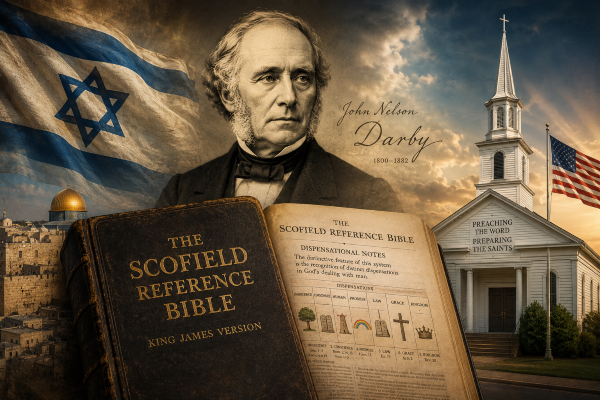
For nearly 1,800 years, Christians did not believe supporting a modern nation-state was a biblical mandate. Then a nineteenth-century theological system changed how millions read prophecy—and eventually how many viewed foreign policy. This is the untold story of John Nelson Darby, dispensationalism, and how a theological innovation became so deeply woven into American Christianity that many now assume it has always been there.