America at 250

America at 250
America is the oldest, continuous modern Republic on Earth.
And Uber Super Power America has imperial power and responsibilities without imperial ambitions.
Above all, America is absolutely unique.
Citizen Writers Fighting Censorship by Helping Americans Understand Issues Affecting the Republic.
America at 250
America is the oldest, continuous modern Republic on Earth.
And Uber Super Power America has imperial power and responsibilities without imperial ambitions.
Above all, America is absolutely unique.

As the nation marked its 250th anniversary, a massive flotilla headed to New York City for the Sail4th 250 gathering of warships and historic vessels. Bradley Blackburn and Alice Gainer report.

A pilot honored America’s 250th anniversary with a patriotic flight over Ohio ahead of Fourth of July weekend, with his route spelling out ‘USA 250th’ and the outline of the country’s borders.
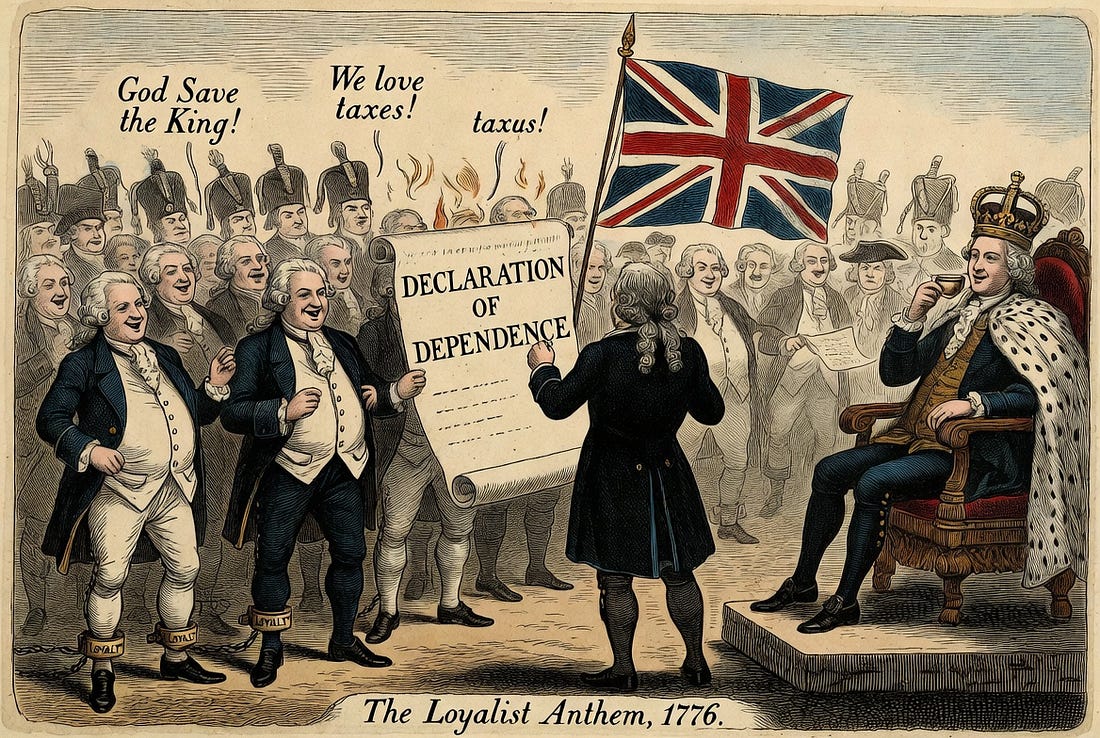
On Saturday, the nation celebrates its 250th anniversary in this Year of the Bicentennial+50. The Continental Congress declared independence on July 2, 1776. Two days later, they debated and edited the Declaration of Independence. On July 8, 1776, Colonel John Nixon publicly read the Declaration aloud in Philadelphia’s State House yard (now Independence Square). This was accompanied by bell ringing (including the Liberty Bell), cheers, and some military displays.

Federal officials warn of a disturbing trend of vandalism targeting the National Mall, including anti-Trump messages and damage to the Lincoln Memorial Reflecting Pool. Interior Secretary Doug Burgum weighs in.
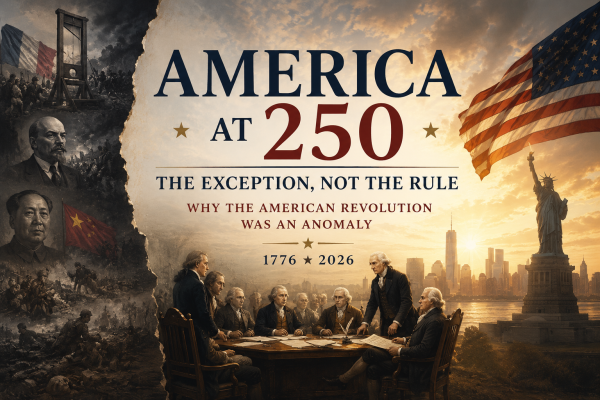
Most revolutions begin with promises of freedom and end with new forms of power. The French Revolution produced the Terror and Napoleon. The Russian Revolution produced Lenin and Stalin. The Chinese Revolution produced Mao and mass famine. History’s pattern is clear: tearing down institutions is far easier than building stable replacements. The American Revolution was different. The Founders inherited functioning local governments, a tradition of self-rule, and a deep understanding of human nature. Rather than trusting power, they divided it. Rather than creating permanent revolution, they created a constitutional republic capable of reform without collapse. As America approaches its 250th birthday, the greatest lesson of 1776 may not be that revolution is glorious, but that the true miracle was what came after—the creation of a nation where change could occur without needing another revolution.
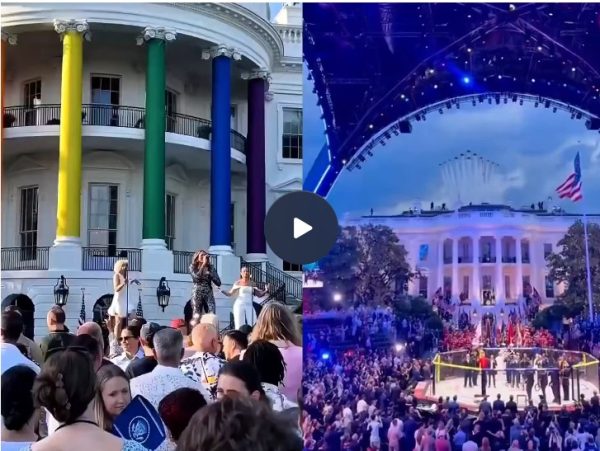
Erika Kirk tweeted, “The Left wants the White House to feel like an untouchable institution reserved for political elites. They hate seeing it used for events that remind Americans it belongs to them.
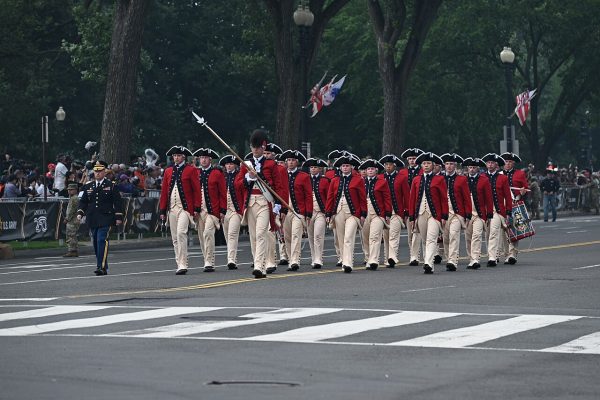
The United States of America is 250 years old this year, because for the year before, the U.S. Army (The Continental Line) was in the field fighting for freedom. This Nation forged by war is remarkably un-militaristic. Yet, the free-thinking, independent, faithfully Christian, rowdy half the country is fiercely pro-military. Freedom-loving Americans expect the well-disciplined, tightly run Army to be the best in the world and stay in their lane. Fight wars and win.

America is about to turn 250 years old, yet many of us live with less gratitude than our great-grandparents who had far less. The average American enjoys comforts that kings, presidents, and industrial tycoons could only dream of—instant communication, modern medicine, air conditioning, safe food, and access to nearly all human knowledge from a device in their pocket. Yet we often act as though we are the most deprived generation in history. This article examines the extraordinary inheritance we’ve received from those who built America, the dangers of historical amnesia, and why our descendants may care less about our complaints than what we chose to build, preserve, and pass on. Before we criticize the nation our forefathers handed us, perhaps we should ask a more uncomfortable question: Are we proving worthy of the gift they left behind?

Rapper Vanilla Ice passionately explains why he will perform at the ‘Freedom 250’ concert in Washington D.C., despite other artists withdrawing on ‘The Story.’
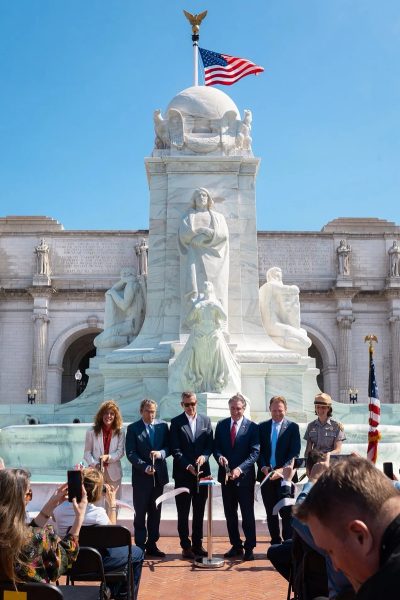
For the first time in decades, Washington should be safe and clean enough to visit—just in time for the 250th celebration of independence.

Fox News’ Steve Doocy visits Huntsville, Alabama, touring its vibrant downtown and spotlighting the city’s pivotal role in NASA and America’s journey to space on ‘Fox & Friends.’

Vice President JD Vance delivers a powerful address at the Rededicate 250 prayer event on the National Mall.

Transportation Secretary Sean Duffy rides the Freedom 250 Acela train and discusses reinvigorating the country’s transportation system on ‘My View with Lara Trump.’

This post about America’s upcoming 250th anniversary of our nationhood is not about the past—as glorious as that may be—but rather this is about America’s future. The future is so bright, gotta wear shades.