‘The Five’: Dems losing ground as midterms near…

‘The Five’ analyzes Democrats’ performance on the generic ballot and examines the party’s strategy heading into the midterm elections.
Citizen Writers Fighting Censorship by Helping Americans Understand Issues Affecting the Republic.
‘The Five’ analyzes Democrats’ performance on the generic ballot and examines the party’s strategy heading into the midterm elections.

The concept of communism, on paper, presents a vision of a just and equal society where everyone’s needs are met, and resources are shared. However, history has shown us that this idealistic ideology consistently fails in practice.
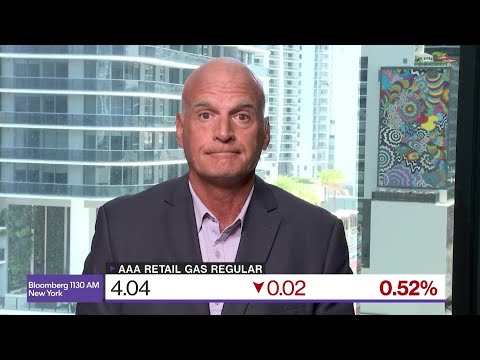
Brent oil fell below $80 a barrel for the first time in more than three months as the US-Iran deal to reopen the Strait of Hormuz boosted expectations for a revival in supply, with leading Wall Street banks reducing their price forecasts and regional benchmarks collapsing. Gasoline prices are also falling. Bloomberg Mike McGlone joins to discuss.
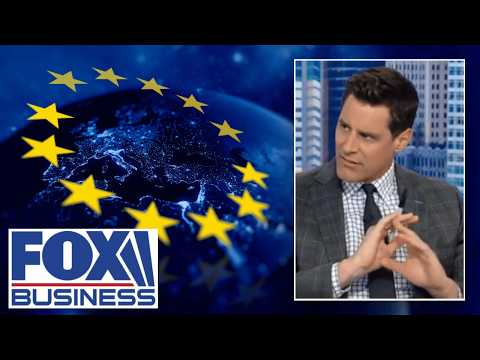
‘The Big Money Show’ panelists debate President Donald Trump’s Iran deal, plummeting oil prices, and the G7 summit’s geopolitical impact.
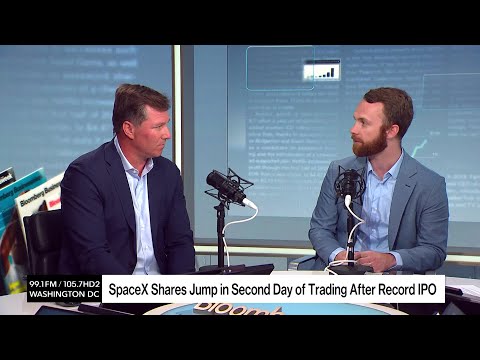
Bloomberg’s Bailey Lipschultz and David Bauer, head of equity capital markets Americas at JPMorgan, discuss SpaceX’s success on the company’s second day of trading after a record IPO Friday. Bauer said he sees a real ‘investment thesis’ driving SpaceX as the company contributes to reindustrializing America with ‘new ecosystems’ and the emergence of space as an industry.
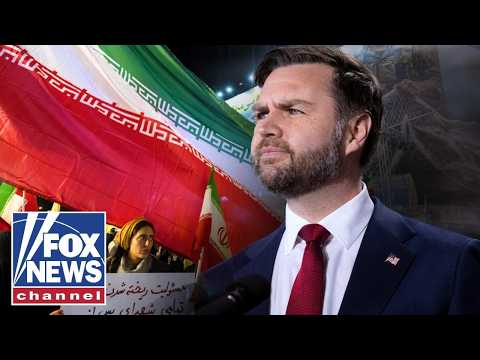
Vice President JD Vance discusses President Donald Trump’s announcement that a deal with Iran has been finalized and his order for an immediate end to the U.S. blockade of Iranian ports on ‘The Big Weekend Show.’

In Ayn Rand’s Atlas Shrugged, John Galt repeatedly says “A” is “A.” It is his simple way of saying reality is factual – it is not subject to interpretation, context, or lived experience. Facts and the laws of nature are inviolate, and they are beginning to intrude on the propaganda of the left.
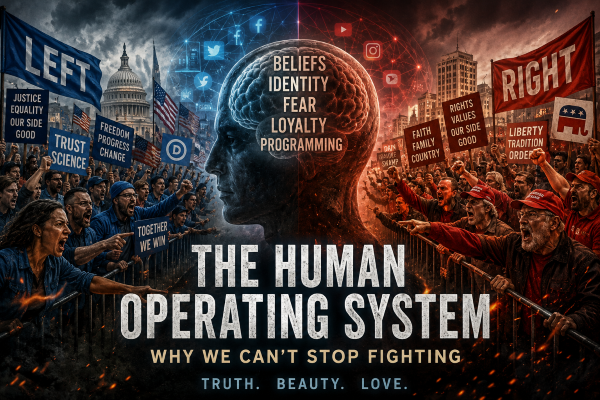
What if the greatest battlefield of the 21st century isn’t a nation, a border, or a data center—but the human mind itself?
Every one of us runs on programming: beliefs, identity, experiences, fears, and loyalties that shape how we see the world. Today, those operating systems are colliding. Social media, political tribes, and algorithm-driven outrage have turned neighbors into enemies and disagreement into warfare. The question is no longer whether we’re being programmed. The question is who is writing the code—and whether we’re still capable of distinguishing truth from manipulation.
In an age of constant outrage, perhaps the most radical act is to pursue truth, beauty, and love over tribal loyalty.
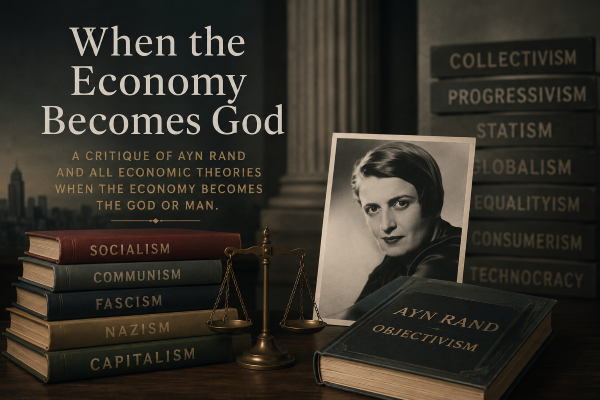
What if the greatest danger to society is not socialism, capitalism, communism, or any other economic system—but the belief that economics itself can save us? Throughout history, nations have repeatedly elevated markets, production, growth, and consumption to near-sacred status. The result is often the same: human beings become numbers, workers, consumers, taxpayers, or demographic categories rather than individuals with inherent dignity. This article explores the common flaw shared by many competing ideologies—the tendency to place the economy at the center of human existence—and asks a simple question: when the economy becomes god, what happens to the people it was supposed to serve?
Fox News host Jesse Watters dissects President Donald Trump’s comments about a possible finalized peace deal with Iran that he says could be signed ‘soon’ on ‘Jesse Watters Primetime.’
I raised, in our after-Mass Bible study group — contrary to some Protestant claims, Catholics actually do read the Bible! — a theological question: can God, who is omniscient, learn? My question was inspired by this: God, being all powerful, cannot be hurt, but by taking human form, Jesus suffered the agony of the crucifixion, …
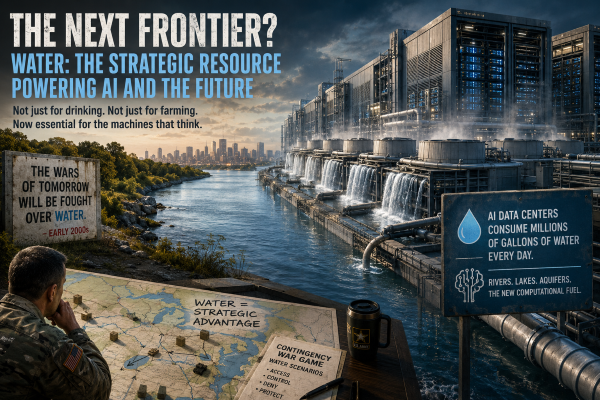
Twenty years ago, military planners and policy experts warned that the wars of the future would be fought over water. The wars never came—at least not in the way we expected. Today, however, a new competitor is entering the fight for one of humanity’s most precious resources: artificial intelligence. As massive data centers consume vast amounts of power and cooling water, rivers, lakes, and aquifers are becoming strategic assets once again. The future battle for water may not involve tanks and soldiers, but corporations, regulators, and communities struggling to determine who gets access to the fuel that powers the digital age. Perhaps the water warriors of the early 2000s weren’t wrong. They were simply ahead of their time.
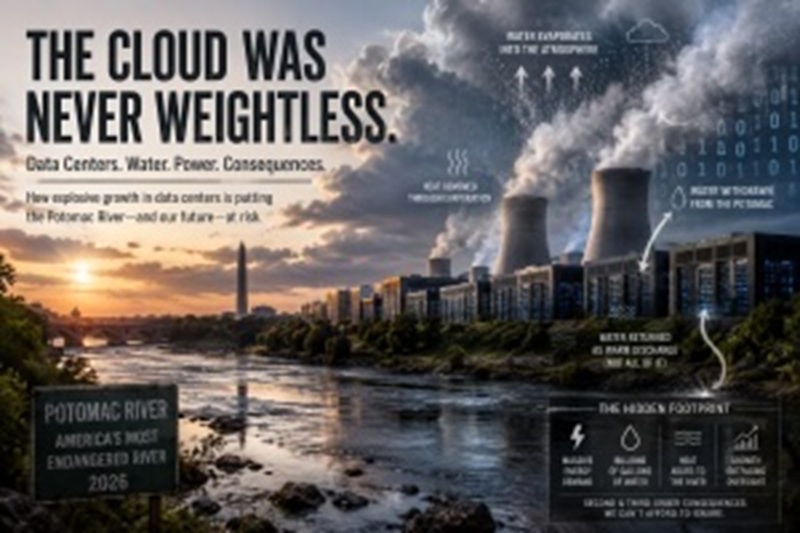
The Potomac River’s designation as America’s most endangered river isn’t really a story about one river. It’s a warning about an entire civilization rushing headlong into a technological revolution without fully understanding the consequences. More than 300 data centers already operate within the Potomac watershed, with hundreds more proposed to support the explosive growth of artificial intelligence and cloud computing. The same digital infrastructure powering our modern lives is quietly consuming vast amounts of electricity and billions of gallons of water. The cloud was never weightless. It was always connected to power plants, cooling towers, transmission lines, and rivers. The question isn’t whether technology will continue advancing. The question is whether we’ll recognize the second and third-order consequences before they become tomorrow’s crisis.
Former White House ‘AI czar’ David Sacks discusses AI regulation, competition with China and the risks of advanced AI-powered ‘cyber weapons’ on ‘Kudlow.’

Economist Steve Moore discusses the latest May jobs report, U.S. economic strength and the impact of President Donald Trump’s pro-business policies on ‘Maria Bartiromo’s Wall Street.’

For decades, hunters and fishermen have quietly funded conservation while everyone else took credit. In Oregon alone, sportsmen contribute nearly a billion dollars annually to the economy and generate tens of millions more through Pittman-Robertson excise taxes that fund wildlife habitat, hunter education, and conservation programs. Yet lawmakers continue treating these same people as a problem rather than partners. Perhaps Oregon should proceed and learn the lesson firsthand. Numbers don’t care about politics. When the funding shrinks, the jobs disappear, and conservation budgets start hurting, the state may discover who was paying the bills all along.

AARP CEO Myechia Minter-Jordan explains how the aging population is redefining market dynamics, the economy and more on ‘The Claman Countdown.’
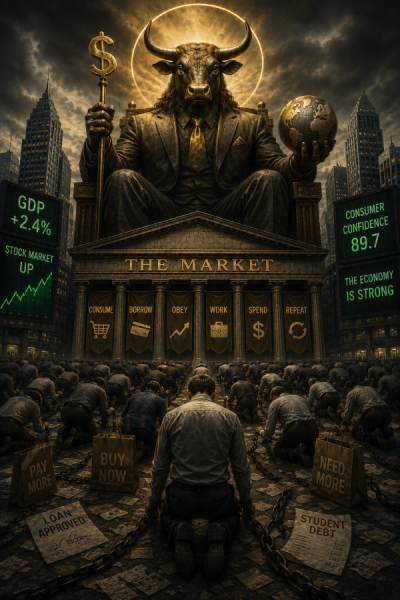
Most Americans would laugh at the idea of worshipping a golden calf. Then they spend forty years organizing their lives around debt, career advancement, asset accumulation, and the approval of “the economy.” Solomon warned that the borrower becomes servant to the lender. Jesus warned that no one can serve both God and Mammon. The old gods demanded temples, priests, and sacrifices. The modern god simply asks for your time, your attention, your family, your peace, and eventually your identity. The question isn’t whether modern society worships. The question is whether we’ve mistaken our servant for our master.
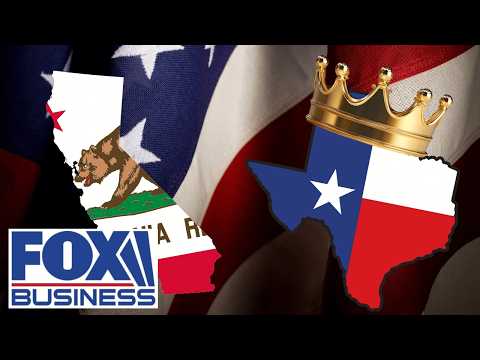
‘The Big Money Show’ panelists discuss the exodus from blue states as California lost its Fortune 500 lead to Texas.
I kid. I’m a kidder.
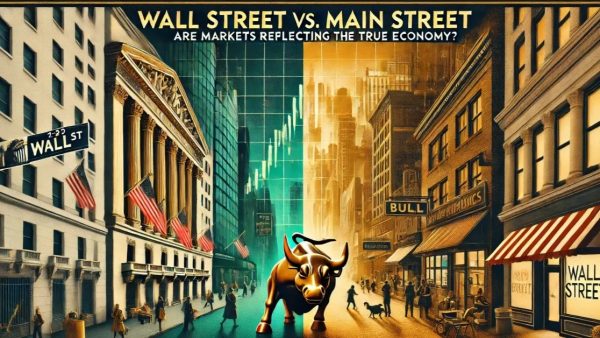
Lots of DC – and a lot of the rest of us – continue to pretend that Wall Street is the only US economic indicator that matters.