‘LOST ITS GOLDEN CROWN’: Texas TOPPLES California as state with most Fortune 500 company HQs
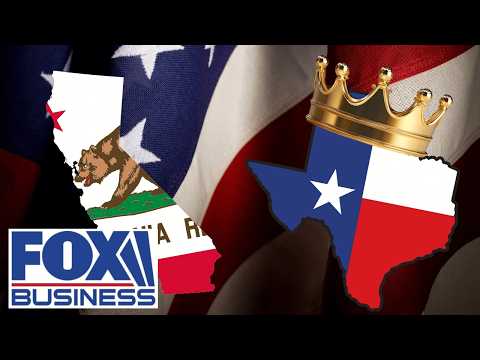
‘The Big Money Show’ panelists discuss the exodus from blue states as California lost its Fortune 500 lead to Texas.
Citizen Writers Fighting Censorship by Helping Americans Understand Issues Affecting the Republic.
‘The Big Money Show’ panelists discuss the exodus from blue states as California lost its Fortune 500 lead to Texas.
I kid. I’m a kidder.
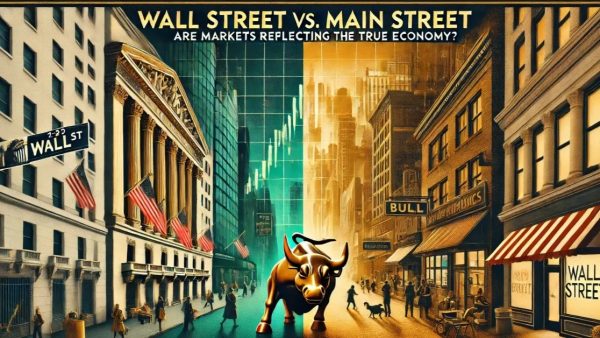
Lots of DC – and a lot of the rest of us – continue to pretend that Wall Street is the only US economic indicator that matters.
The Left is beyond crazy. At any other time in our history or in any other Western country, people like them would be considered mentally deranged, challenged and in need of observation or treatment.
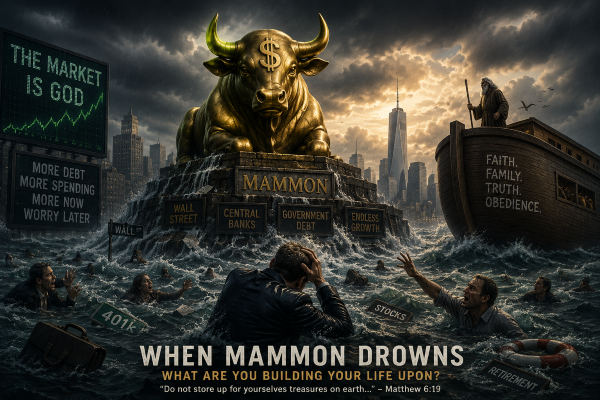
What if the next great flood isn’t water?
What if it’s a collapse of confidence?
For generations we have been taught to trust retirement accounts, stock markets, debt-fueled growth, central banks, and an economic system so large that most people don’t understand how it actually works. We assume tomorrow will look like today because it always has. The people in Noah’s day thought the same thing. They were eating, drinking, marrying, buying, selling, building, and planning for the future right up until the moment their world disappeared beneath the waves. If the modern god of Mammon were ever exposed as a false idol, the greatest losses might not be financial. They might be spiritual. Millions would discover that the thing they trusted to save them never could. The question isn’t whether markets rise or fall. The question is whether your faith rises and falls with them.

CMS Administrator Mehmet Oz discusses the reshoring and investment of pharma companies in the U.S. while taking questions from the press.
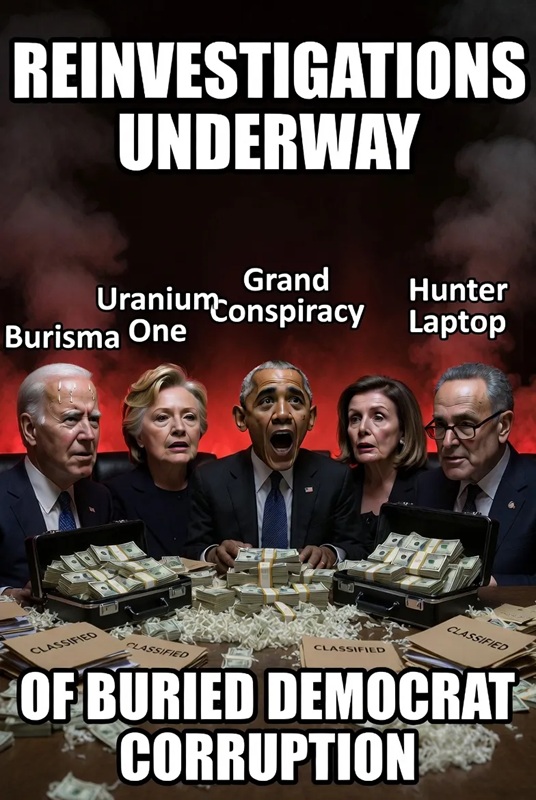
As Democrat operatives have been rooted out in the Justice Dept and FBI since January 2025, some very inconvenient facts have been discovered leading to grand jury and congressional investigations into long-buried corrupt criminal activities of prominent Democrats.

As I’m sure most of you have noticed? Our federal government is a titanic, monstrous mess.
In all of human history, there has almost certainly never been an entity this dysfunctional and disorganized.
And the fact we have allowed something this messed up – to get this huge? May be the most grievous error in human history.

Fox News’ Steve Doocy visits Huntsville, Alabama, touring its vibrant downtown and spotlighting the city’s pivotal role in NASA and America’s journey to space on ‘Fox & Friends.’

Some people will make more money than others. It’s not racism, sexism, or any other ism. And nothing will change that.

‘The Big Money Show’ panelists talk artificial intelligence and space sectors as SpaceX and OpenAI fuel a high-stakes battle on Wall Street.

They built this country. They built this country—those billionaires.
Now that Bernie Sanders and most American socialists are millionaires, the Lazybones senator from Vermont and his acolytes are demonizing billionaires.

Sen. Jerry Moran, R-Kan., shares his thoughts on the U.S.-Nigeria operation against ISIS and President Donald Trump’s visit to China on ‘Fox News Live.’
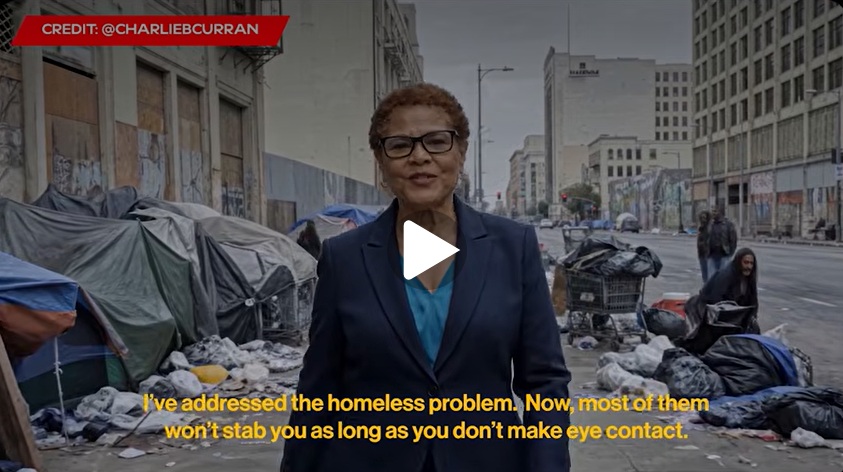
Don Surber presents his unique take on this week’s media reports. As usual, you’ll learn more from his offbeat perspective than actually reading or watch the news.

Louisiana Gov. Jeff Landry and Commonwealth LNG chair Ben Dell discuss the $13 billion LNG project on ‘The Claman Countdown.’

He has the oil, the military and the corporate wizards on his side
Landing in Beijing with his secretary of state, his treasury secretary and the No. 1 executives of the top 30 corporations in America, President Trump received the royal treatment.
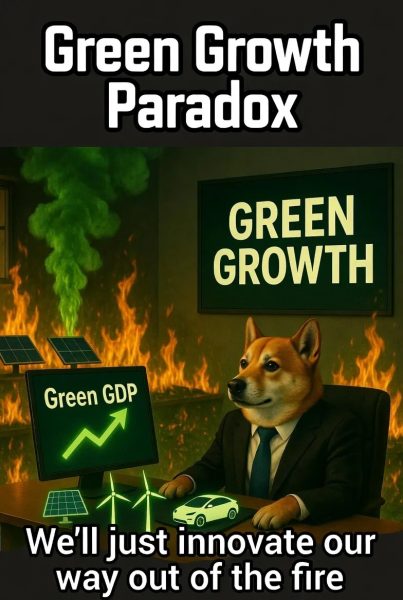
This is Part II of a two-part series that examines economic development in South Dakota. Part I covered the Future Fund, crony capitalism vs. free markets, out-of-state and foreign beneficiaries, and tax increment financing. This part covers data centers, reserve funds, the pro-development counter argument, and legislative reform efforts.
Federated Hermes deputy CIO of equities Steve Chiavarone discusses investing through a ‘wall of worry’ and more on ‘Making Money.’
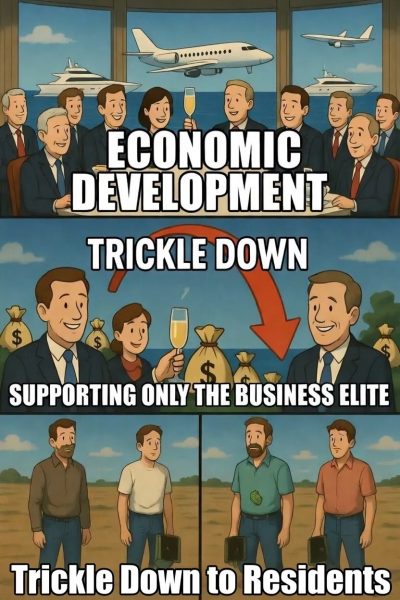
Analysis from a constitutional conservative perspective Economic development has been a hot topic in South Dakota for years. At one extreme, there are those among the political class who push development on behalf of out-of-state interests constantly (and seemingly regardless of the impact on long-time residents). At the other end of the spectrum are those …

SBA Administrator Kelly Loeffler praises the Trump administration’s tax cuts for expanding small business growth on ‘FOX Business In Depth.’

From roughly 2012 to 2014, as Syrian Civil War turned northern Syria into a live-fire apocalypse, Lafarge made a calculated decision: stay open, stay profitable, and if that meant paying off armed groups—including ISIS and al-Nusra Front—then so be it. Business is business. Even if your business partners occasionally crucify people for sport. The company didn’t just stumble into this. Courts later described it as an organized system. Money moved. Deals were made. Raw materials, checkpoints, safe passage—all greased with cash. The same way you’d negotiate trucking contracts in Ohio, just with more AK-47s and fewer HR policies.