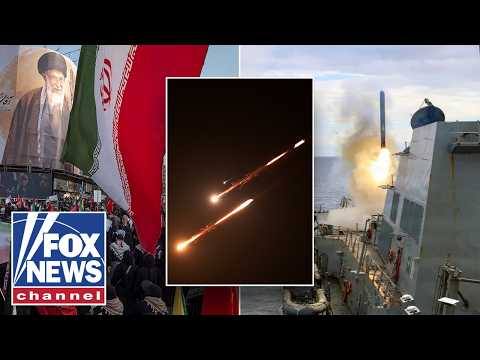
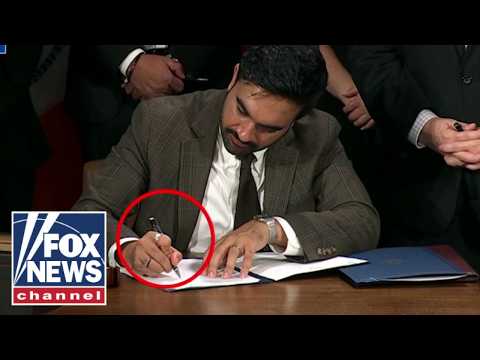
‘GET THEIR ACT TOGETHER’: Trump PUSHES BACK On Iran deal leaks
‘The Big Money Show’ panelists analyze President Donald Trump’s statements on Iran, a potential deal and its impact on oil prices.
Citizen Writers Fighting Censorship by Helping Americans Understand Issues Affecting the Republic.
‘The Big Money Show’ panelists analyze President Donald Trump’s statements on Iran, a potential deal and its impact on oil prices.
Fox News host Jesse Watters dissects President Donald Trump’s comments about a possible finalized peace deal with Iran that he says could be signed ‘soon’ on ‘Jesse Watters Primetime.’
Fox News chief national security correspondent Jennifer Griffin has the latest on the new round of U.S. strikes in Iran on ‘Special Report.’
‘The Big Money Show’ panel discusses negotiations between the United States and Iran and President Donald Trump’s warning following traded strikes.
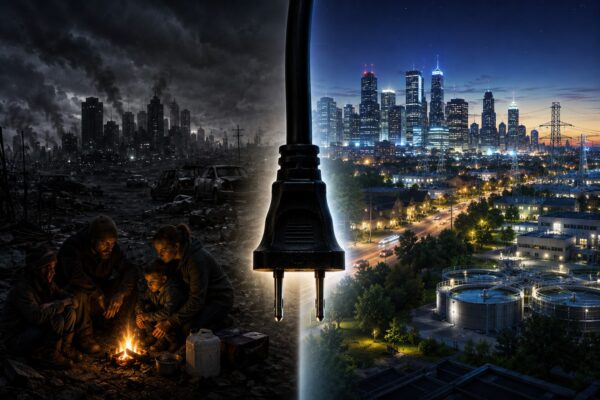
Twenty years ago, military planners and policy experts warned that the wars of the future would be fought over water. The wars never came—at least not in the way we expected. Today, however, a new competitor is entering the fight for one of humanity’s most precious resources: artificial intelligence. As massive data centers consume vast amounts of power and cooling water, rivers, lakes, and aquifers are becoming strategic assets once again. The future battle for water may not involve tanks and soldiers, but corporations, regulators, and communities struggling to determine who gets access to the fuel that powers the digital age. Perhaps the water warriors of the early 2000s weren’t wrong. They were simply ahead of their time.
My USMA Class of 1972 had it’s annual Mini-Reunion this week in Louisville, KY. Every five years we have the official one at West Point. We’ve gone to different spots around the U.S.A. since 2013, with only one Covid Krazy blip. I started the Memorial Service as part of our time together in Williamsburg VA …
Fox News senior White House correspondent Peter Doocy details the rescue of American pilots whose helicopter was shot down by Iran on ‘Special Report.’
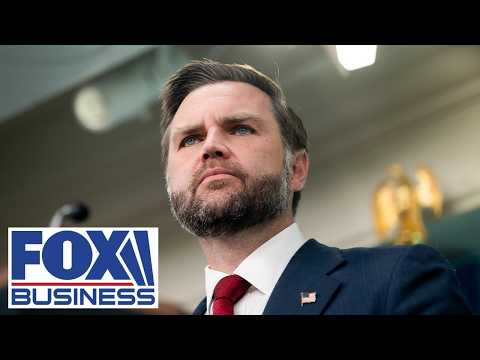
Vice President JD Vance discusses the state of U.S.-Iran negotiations as President Donald Trump reportedly faces tensions with Israeli Prime Minister Benjamin Netanyahu, the California election process, Minnesota fraud and more on ‘Jesse Watters Primetime.’
Fox News contributor Ben Domenech discusses President Donald Trump’s approach to the Iran conflict and the Los Angeles mayoral election on ‘Kudlow.’
The world has spent decades arguing that nuclear weapons preserve peace through deterrence. Fair enough. But if they are essential for our security, on what basis do we claim they are unnecessary for someone else’s? That’s the uncomfortable question at the heart of the Iran debate. The world’s nuclear powers insist these weapons are too dangerous for others while simultaneously declaring them indispensable for themselves. Whether that position is wise, necessary, or pure hypocrisy depends entirely on which side of the missile silo you’re standing.
December 6, 1944. Somewhere in Germany. Colonel Leander L. Doan sat down and wrote a letter home. He spoke casually of fighting Panzer Lehr and the Adolf Hitler SS Panzer Division, being wounded, surrounded for 36 hours, and watching the men beside him die. Yet there was no bravado, only the quiet matter-of-fact tone of a combat commander doing his duty. What makes the letter extraordinary is that it was written just ten days before the Battle of the Bulge erupted. Doan had survived Normandy, the breakout across France, and the Siegfried Line, but neither he nor his family knew that some of the war’s hardest fighting still lay ahead. Preserved for more than eighty years, this remarkable letter offers a rare glimpse into the mind of a future Major General standing between two of the most consequential campaigns of World War II.
Fox News contributor Marc Thiessen commends President Donald Trump’s ‘courageous decision’ to launch Operation Epic Fury against Iran during an appearance on ‘Kudlow.’
The Left is in turmoil, with support rapidly declining as its ranks disintegrate. Two paths lie before us. The path forward with President Donald Trump promising to make the United States and the Western Hemisphere free of evil and prosperous for all.
Former Deputy National Security Advisor KT McFarland believes Iran will make a deal with President Donald Trump and asserts that Iran is under immense economic pressure on ‘The Bottom Line.’
‘The Big Weekend Show’ co-hosts discuss the potential for the U.S. to resume military operations against Iran amid reports President Donald Trump sent a tougher peace proposal to the regime.
Don Surber gives us a tour of this week’s news items. He’ll make you think harder than the media outlets, that’s for sure. Enjoy!
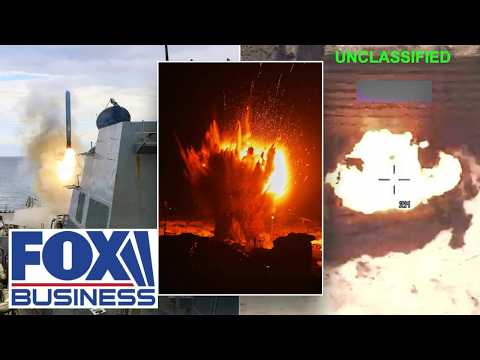
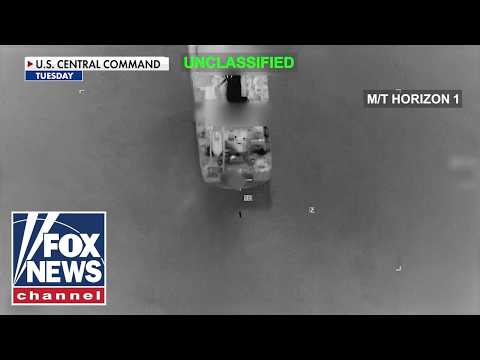
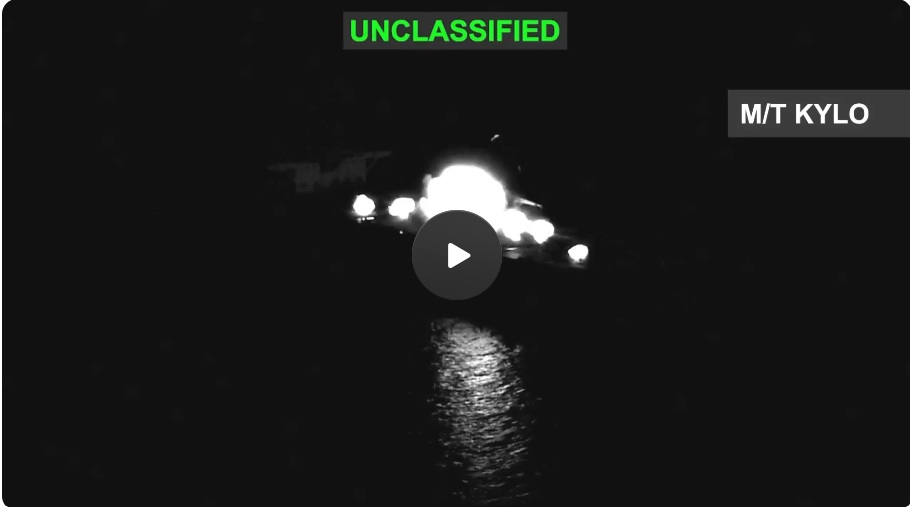
Fox News foreign correspondent Jeff Paul reports after U.S. forces deployed a Hellfire missile to disable a blockade-running cargo ship in the Gulf of Oman on ‘Fox Report.’
As I’m sure most of you have noticed? Our federal government is a titanic, monstrous mess.
In all of human history, there has almost certainly never been an entity this dysfunctional and disorganized.
And the fact we have allowed something this messed up – to get this huge? May be the most grievous error in human history.
Former Secretary of State Mike Pompeo talks about President Donald Trump’s Iran strategy as the president says a ‘final determination’ is being made on ‘The Story.’
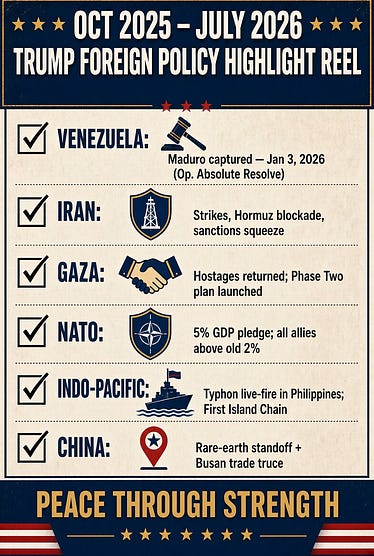
NATO was created to keep Europe from destroying itself again. Instead, decades after the Cold War ended, the alliance kept marching east while pretending Russia would simply accept endless expansion with polite concern and a diplomatic smile. From the Balkans to Ukraine, the promises of “not one inch further” slowly became a geopolitical punchline written in bureaucratic doublespeak and missile deployments. Meanwhile, Europe outsourced its defense, America paid the bill, and the alliance drifted from deterrence into an ideological security machine increasingly disconnected from reality. The question now is no longer whether NATO once served a purpose. The question is whether it still protects peace — or whether it has become a Cold War institution sleepwalking the West toward a conflict nobody truly wants to fight.