Flock. The Latest Case Of Blaming A Machine

Flock, like a firearm, is a tool. It can be used for good or bad. The machinery is not evil, it just is. The handler is good or evil.
Citizen Writers Fighting Censorship by Helping Americans Understand Issues Affecting the Republic.
Flock, like a firearm, is a tool. It can be used for good or bad. The machinery is not evil, it just is. The handler is good or evil.
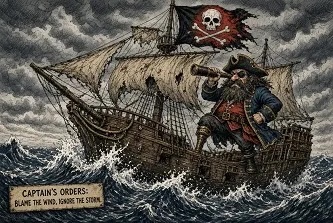
Shiver me timbers. Bloomberg reported:
Arrr! The Department o’ Justice be makin’ ready to wake a long-sleepin’ prize court o’ the high seas, so as to make swift the seizin’ by the king’s men-o’-war o’ them Iranian oil tankers as Yankee prizes—so say three souls what be in on the plot.
Me mateys that means, “The Justice Department is preparing to activate a long-dormant maritime war court to streamline military capture of Iranian oil tankers as U.S. prizes, according to three people familiar with the plans.”
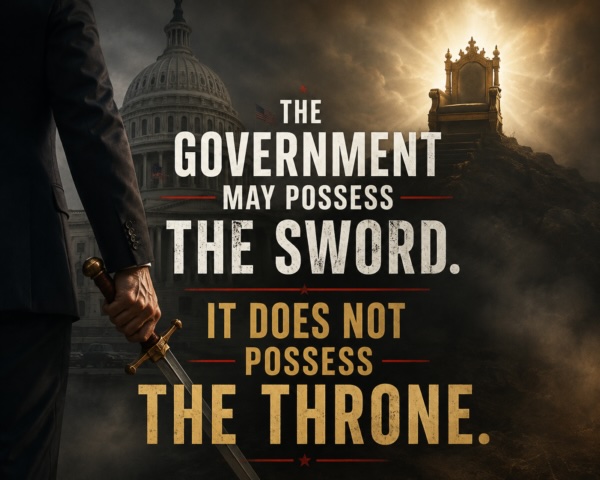
Christians are frequently reminded that Romans 13 tells us to obey governing authorities. Fair enough. But what happens when government reverses its God-given assignment—punishing good, protecting evil, or commanding Christians to violate their conscience? Scripture actually answers that question, and the answer is considerably less comfortable than “just obey.”
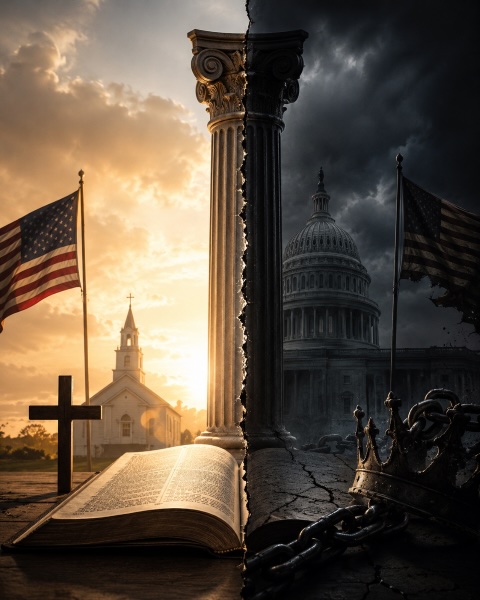
Romans 13 and Revelation 13 aren’t enemies. They’re bookends. One describes government as God intended it to be: rewarding good and restraining evil. The other warns what happens when government abandons that mission and begins demanding loyalty that belongs to God alone. History is filled with examples of Romans 13 being used to justify kings, slavery, and authoritarian regimes, while Scripture repeatedly reminds believers that their highest allegiance is not to a political party, a flag, or a nation. Christians are called to be good citizens, but faithful disciples. God first. Everything else second.
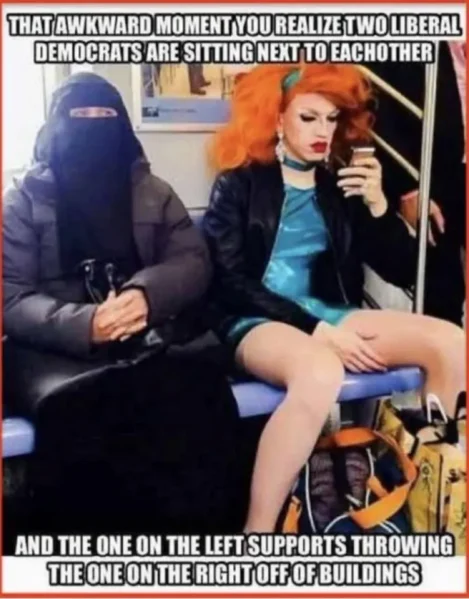
Muslims start by immigrating under the guise that Islam is a peaceful religion. It is not! They partner with Socialist & Communists because they both have the same goal: Subjugating Americans by destroying our constitution & our freedoms. They end their take over with “blood in the streets.”
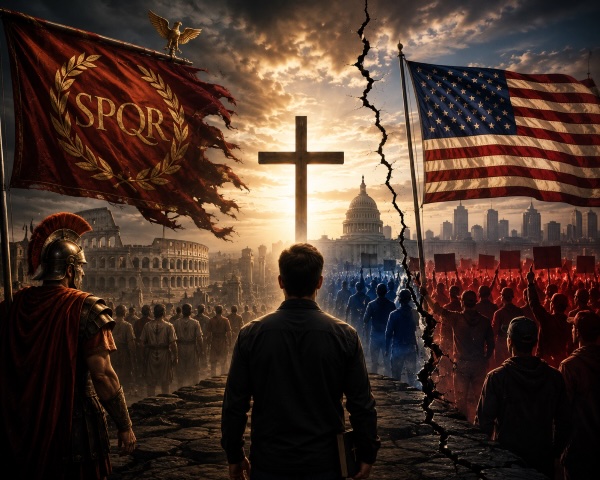
What happens when a nation begins to lose faith in its own elections, institutions, and leaders? History suggests that political polarization can quickly become tribalism, and tribalism can consume a republic from within. But Christians have walked this road before. The Bible never calls believers to place their ultimate hope in governments, political parties, or personalities. Instead, it teaches an ordered loyalty: love your country, serve your neighbors, pray for your leaders—but worship God alone. When the world grows chaotic, the Church should become the calmest place in it, remembering that while kingdoms rise and fall, the Kingdom of God has never required a recount.
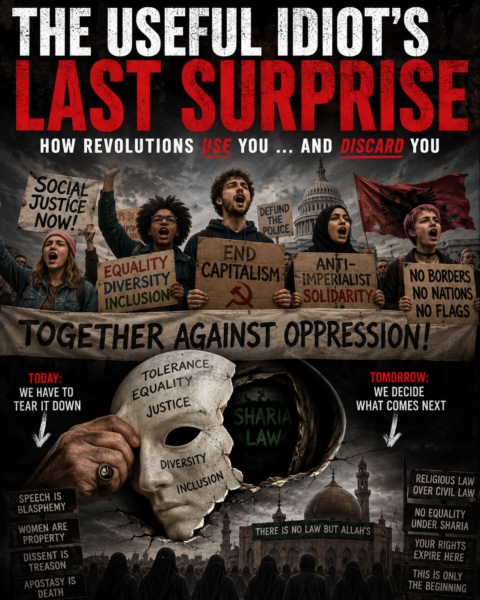
History’s most dangerous political bait-and-switch begins when groups with completely incompatible end goals unite around a common enemy. Iran’s Marxists thought they were using the Islamists; the Islamists had other plans. Today, America’s socialists, progressives, and Islamist activists sometimes find themselves marching beneath the same anti-capitalist and anti-Western banners. Iran offers an uncomfortable warning: before helping tear down the old order, you’d better ask what your revolutionary partners intend to build in its place—and whether they’ll still need you when they’re finished.

There is no question citizens have the right to monitor law enforcement in the open. Physically interfering with policing is another issue. When the government wants to preserve its privacy, it may build a fence or close a door—but not ban speech. U.S. Circuit Judge Myrna Pérez Massimino v. Benoit (2026) With the deployment of …

Many Americans have heard of Frederic Douglass, but they have not studied his works.
Steve contrasts the generation who fought the revolution & gave us our precious US Constitution & Bill of Rights with the generation who is now trying to replace it with Sharia law & Communism. George laments how 75% of Christians are giving tacit permission to The Left to destroy our society & our nation because they don’t vote.
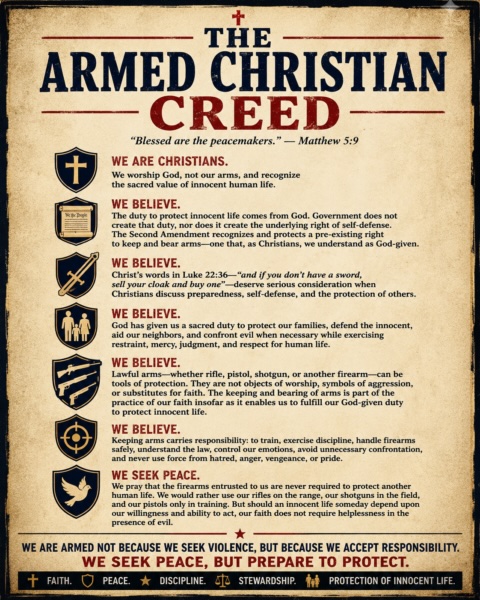
What if the duty to protect your family didn’t begin with the Second Amendment at all? The Armed Christian Creed argues that our responsibility to defend innocent life comes from God, while the Constitution simply recognizes and protects a pre-existing right to keep and bear arms. We worship God, not our arms. They are not symbols of aggression, but tools carried with discipline, humility, and the hope they are never needed. The firearm is not sacred. The life we may someday be called upon to protect is.
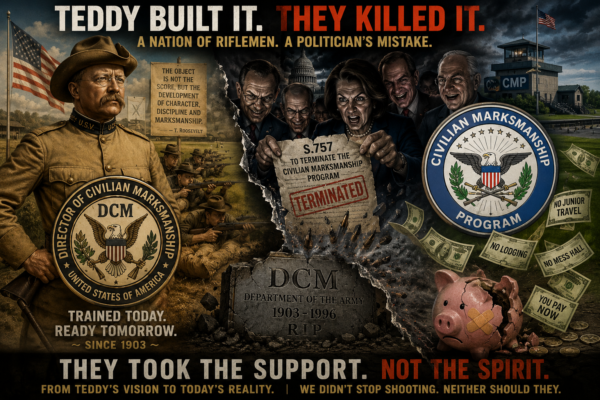
Theodore Roosevelt believed America was stronger when ordinary citizens knew how to shoot. For nearly a century, the federal government agreed—supporting the DCM, the National Matches, and even helping selected junior riflemen travel to Camp Perry to represent their states. Then came the 1990s, when Washington decided a program designed to create disciplined American marksmen was something that needed to be “terminated.” They killed the old DCM, but they failed to kill American marksmanship. The CMP survived—and the riflemen kept shooting.
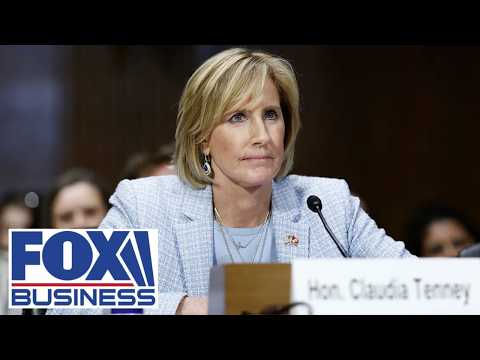
Rep. Claudia Tenney, R-N.Y., argues DSA candidates are trying to ‘destroy’ the U.S. Constitution on ‘The Evening Edit.’ #fox #media #breakingnews #us #usa #new #news #breaking #foxbusiness #theeveningedit #claudiatenney #tenney #gop #republicans #dsa #democraticsocialists #constitution #usconstitution #politics #political #politicalnews #government #congress #newyork Subscribe to Fox Business: https://bit.ly/2D9Cdse Watch more Fox Business Video: https://video.foxbusiness.com Watch Fox …
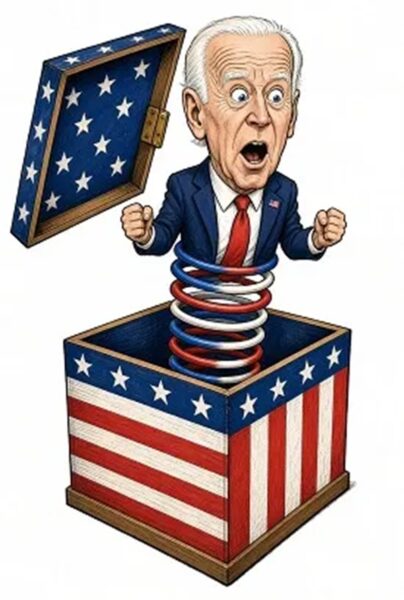
The 25th Amendment is a pretty nifty constitutional tool because it answers the question of what would have happened if Jack Kennedy somehow survived Dallas.
The Constitution says: “Section Four: Whenever the Vice President and a majority of either the principal officers of the executive departments or of such other body as Congress may by law provide, transmit to the President pro tempore of the Senate and the Speaker of the House of Representatives their written declaration that the President is unable to discharge the powers and duties of his office, the Vice President shall immediately assume the powers and duties of the office as Acting President.
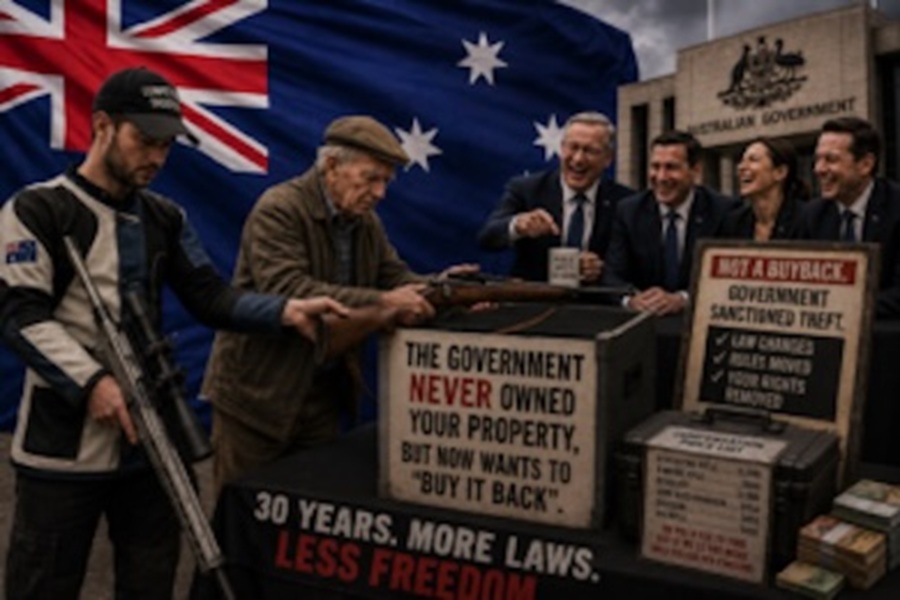
Australia’s latest firearm reforms raise a question that reaches far beyond guns: when does regulation become permission? Thirty years after the Port Arthur reforms, law-abiding Australians who followed every rule are discovering that Parliament can simply move the legal line beneath their feet. Yesterday’s registered property can become today’s prohibited property—not because the owner changed, but because the law did. Supporters call it public safety. Critics see a government that increasingly decides what citizens may own, what it’s worth, and under what conditions they must surrender it. The real debate isn’t over rifles. It’s over whether rights are inherent… or merely temporary permissions granted by the state.
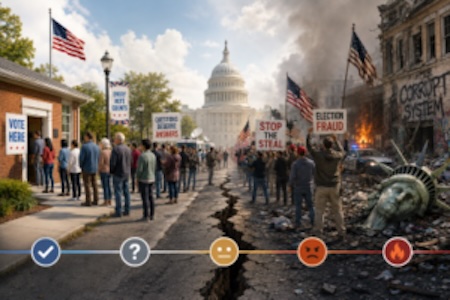
The collapse of a republic rarely begins with tanks in the streets or dramatic constitutional crises. More often, it begins with a far quieter question: Can we trust our elections? Once citizens lose confidence in the process that grants political authority, every institution built upon that authority begins to crack. Courts become suspect, laws become negotiable, and political opponents become enemies. A nation can survive bitter policy disagreements. It cannot survive indefinitely if its citizens no longer believe their government derives its authority from legitimate elections.
My original intent was to write a short piece in favor of the SAVE Act. But exposure to the facts, generally missing from the debate, changed my mind. This effort led to a proposal to replace the SAVE Act, one that respects the wisdom of federalism, rejects one size fits all legislation, and recognizes the reality of legal challenges.
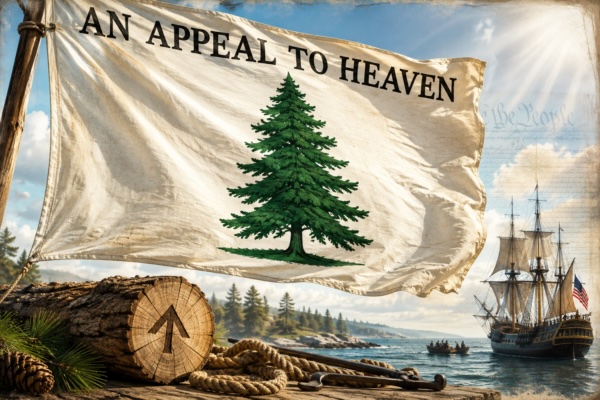
Long before Americans argued about flags on social media, our ancestors managed to make a tree politically dangerous. Britain reserved many of New England’s great white pines for the Royal Navy—even trees growing on colonial lands—marking them with the King’s Broad Arrow. The pine became a symbol of something much bigger: ownership, natural rights, independence, and the stubborn belief that free citizens had both the right and responsibility to defend their country. That’s why an evergreen ended up beneath the words “AN APPEAL TO HEAVEN.”

We have millions of people living in the United States today who are not American citizens. They come from countless other nations, most of which do not share our morals or values. Many worship false — and violent — gods. Many follow false religions, and cults with radical ideologies. What’s even worse is that today, we have many government officials, leaders, and people in powerful positions of control that have no business being there, because they’ve never met the requirements for US Citizenship, they have contempt for our US Constitution and have no intention of ever assimilating to our culture.

The primaries aren’t even done in 40% of our states, but all our minds are on the general election. Let’s look at three separate issues affecting the way we campaign, vote and think, this election year…