The Works of Frederick Douglass

Many Americans have heard of Frederic Douglass, but they have not studied his works.
Citizen Writers Fighting Censorship by Helping Americans Understand Issues Affecting the Republic.
Many Americans have heard of Frederic Douglass, but they have not studied his works.
Steve contrasts the generation who fought the revolution & gave us our precious US Constitution & Bill of Rights with the generation who is now trying to replace it with Sharia law & Communism. George laments how 75% of Christians are giving tacit permission to The Left to destroy our society & our nation because they don’t vote.
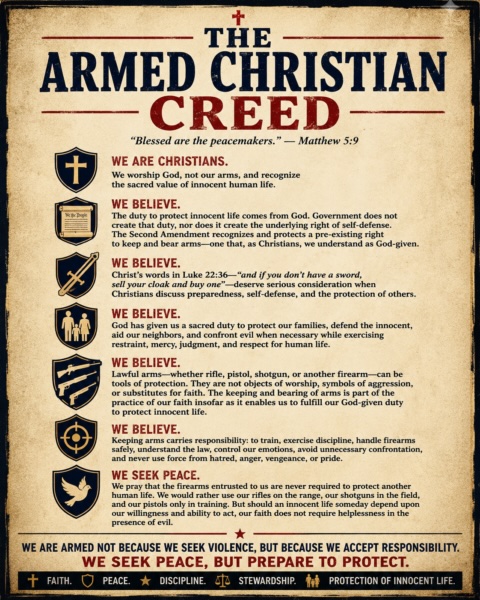
What if the duty to protect your family didn’t begin with the Second Amendment at all? The Armed Christian Creed argues that our responsibility to defend innocent life comes from God, while the Constitution simply recognizes and protects a pre-existing right to keep and bear arms. We worship God, not our arms. They are not symbols of aggression, but tools carried with discipline, humility, and the hope they are never needed. The firearm is not sacred. The life we may someday be called upon to protect is.
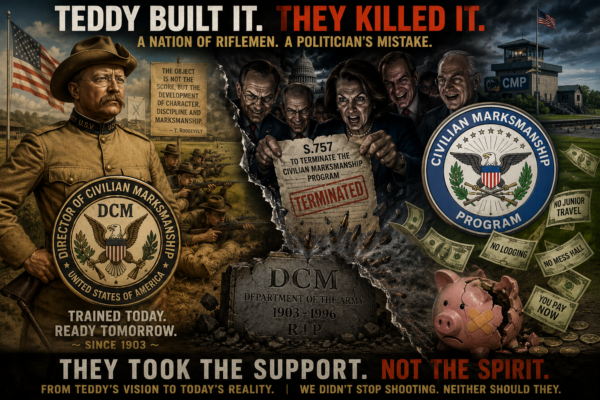
Theodore Roosevelt believed America was stronger when ordinary citizens knew how to shoot. For nearly a century, the federal government agreed—supporting the DCM, the National Matches, and even helping selected junior riflemen travel to Camp Perry to represent their states. Then came the 1990s, when Washington decided a program designed to create disciplined American marksmen was something that needed to be “terminated.” They killed the old DCM, but they failed to kill American marksmanship. The CMP survived—and the riflemen kept shooting.
Rep. Claudia Tenney, R-N.Y., argues DSA candidates are trying to ‘destroy’ the U.S. Constitution on ‘The Evening Edit.’ #fox #media #breakingnews #us #usa #new #news #breaking #foxbusiness #theeveningedit #claudiatenney #tenney #gop #republicans #dsa #democraticsocialists #constitution #usconstitution #politics #political #politicalnews #government #congress #newyork Subscribe to Fox Business: https://bit.ly/2D9Cdse Watch more Fox Business Video: https://video.foxbusiness.com Watch Fox …
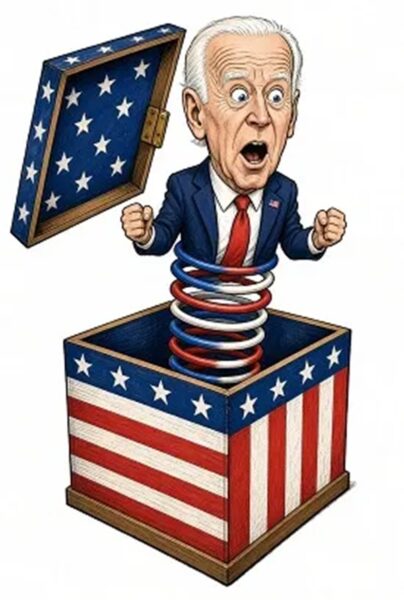
The 25th Amendment is a pretty nifty constitutional tool because it answers the question of what would have happened if Jack Kennedy somehow survived Dallas.
The Constitution says: “Section Four: Whenever the Vice President and a majority of either the principal officers of the executive departments or of such other body as Congress may by law provide, transmit to the President pro tempore of the Senate and the Speaker of the House of Representatives their written declaration that the President is unable to discharge the powers and duties of his office, the Vice President shall immediately assume the powers and duties of the office as Acting President.
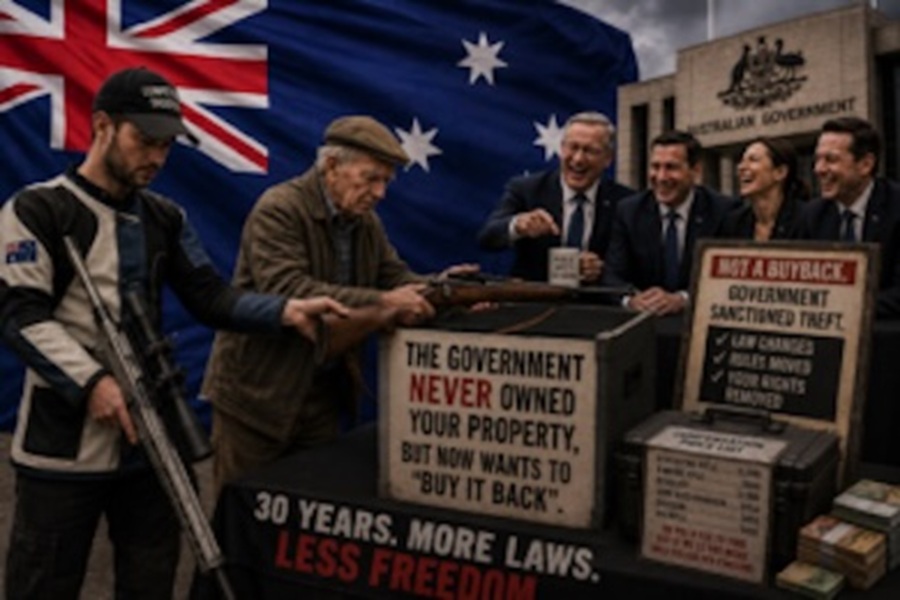
Australia’s latest firearm reforms raise a question that reaches far beyond guns: when does regulation become permission? Thirty years after the Port Arthur reforms, law-abiding Australians who followed every rule are discovering that Parliament can simply move the legal line beneath their feet. Yesterday’s registered property can become today’s prohibited property—not because the owner changed, but because the law did. Supporters call it public safety. Critics see a government that increasingly decides what citizens may own, what it’s worth, and under what conditions they must surrender it. The real debate isn’t over rifles. It’s over whether rights are inherent… or merely temporary permissions granted by the state.
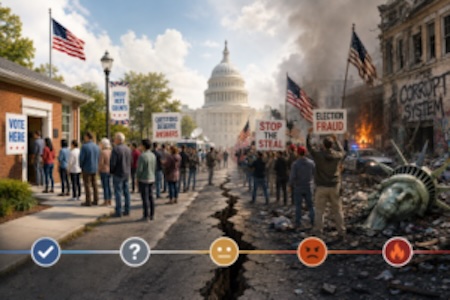
The collapse of a republic rarely begins with tanks in the streets or dramatic constitutional crises. More often, it begins with a far quieter question: Can we trust our elections? Once citizens lose confidence in the process that grants political authority, every institution built upon that authority begins to crack. Courts become suspect, laws become negotiable, and political opponents become enemies. A nation can survive bitter policy disagreements. It cannot survive indefinitely if its citizens no longer believe their government derives its authority from legitimate elections.
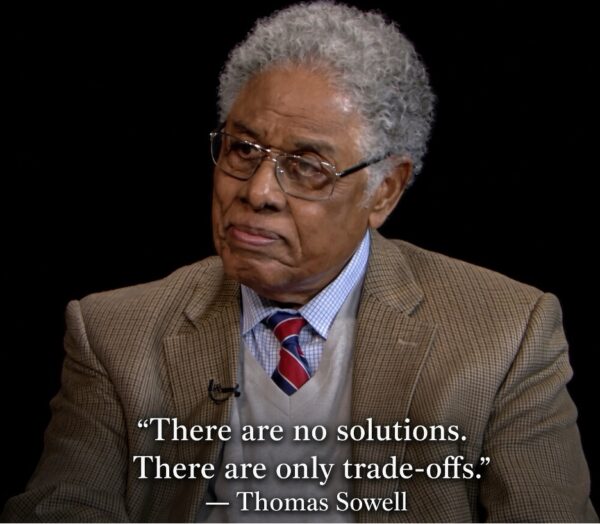
My original intent was to write a short piece in favor of the SAVE Act. But exposure to the facts, generally missing from the debate, changed my mind. This effort led to a proposal to replace the SAVE Act, one that respects the wisdom of federalism, rejects one size fits all legislation, and recognizes the reality of legal challenges.
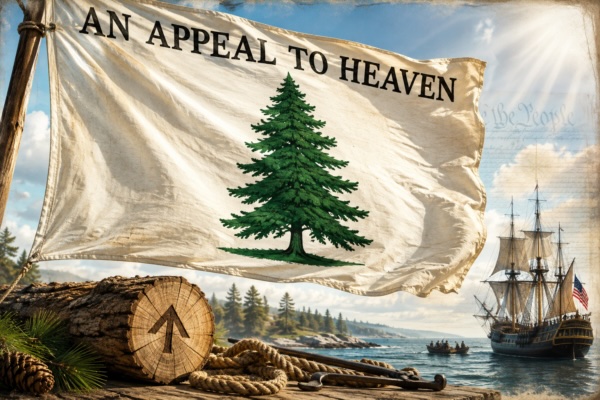
Long before Americans argued about flags on social media, our ancestors managed to make a tree politically dangerous. Britain reserved many of New England’s great white pines for the Royal Navy—even trees growing on colonial lands—marking them with the King’s Broad Arrow. The pine became a symbol of something much bigger: ownership, natural rights, independence, and the stubborn belief that free citizens had both the right and responsibility to defend their country. That’s why an evergreen ended up beneath the words “AN APPEAL TO HEAVEN.”

We have millions of people living in the United States today who are not American citizens. They come from countless other nations, most of which do not share our morals or values. Many worship false — and violent — gods. Many follow false religions, and cults with radical ideologies. What’s even worse is that today, we have many government officials, leaders, and people in powerful positions of control that have no business being there, because they’ve never met the requirements for US Citizenship, they have contempt for our US Constitution and have no intention of ever assimilating to our culture.

The primaries aren’t even done in 40% of our states, but all our minds are on the general election. Let’s look at three separate issues affecting the way we campaign, vote and think, this election year…

If constitutional rights ever begin to depend on the race of the speaker rather than the content of the law, America will have crossed a dangerous line. The First Amendment was written to protect individuals—not identities. Justice must remain blind, because the moment she peeks beneath the blindfold to see who is standing before her, equal justice under law becomes little more than a slogan.
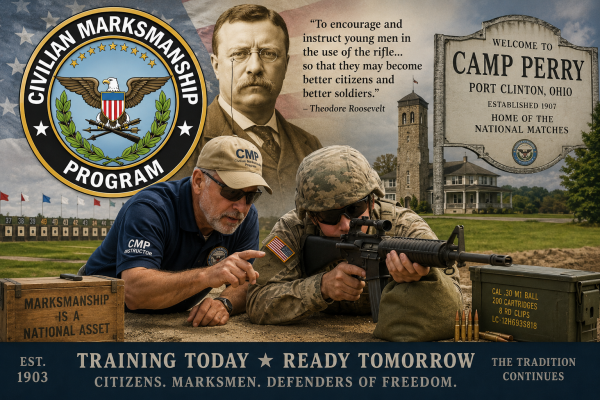
The Civilian Marksmanship Program is more than a shooting organization. It is a self-funded national-security asset that preserves firearms safety, competitive marksmanship, and a reserve of civilian expertise. During the Iraq War, CMP volunteers even traveled to military installations such as Fort Campbell to help the U.S. Army Marksmanship Unit train deploying soldiers as Squad Designated Marksmen. What looks like recreation on Saturday can become battlefield capability when the nation needs it.

This is the second part of a two-part analysis that examines a specific historical claim: that the decades-long push of Democratic Socialists of America inside the Democrat Party follows the same “boring from within” logic the Bolsheviks used against the Socialist Revolutionaries and Mensheviks in 1917 — a small, disciplined vanguard using a broader coalition’s legitimacy and infrastructure to gain position, growing more candid about maximalist goals as it consolidates power, with no intention of remaining merely one faction among many.
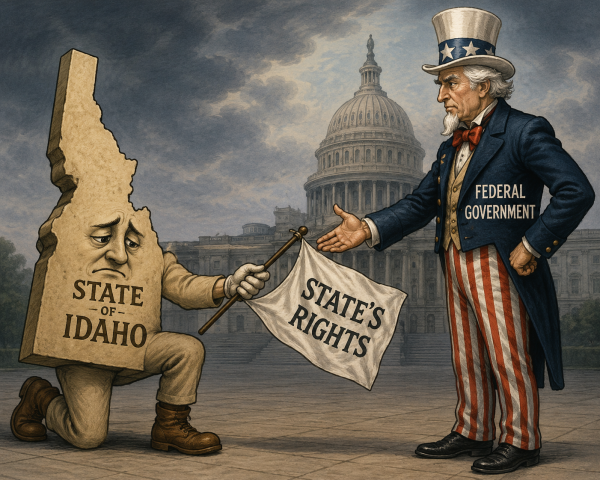
There are a couple of recent articles, describing the debate underway in two states: Texas and Idaho. Both articles sound very similar in ideology, referencing the 10th Amendment, and arguing for states’ rights. But the actions of the two states couldn’t be more different.
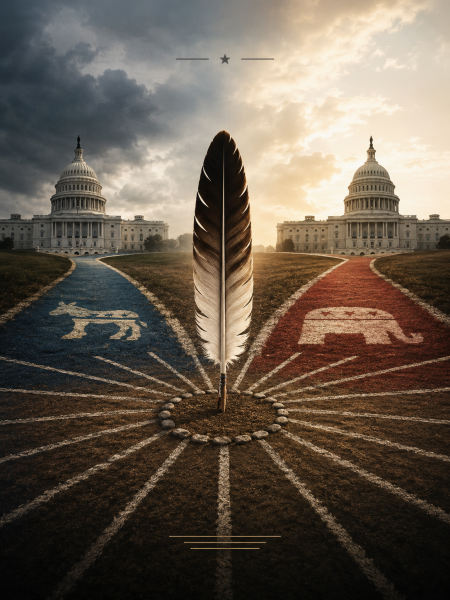
The myth that America would magically function better with more political parties ignores one stubborn fact: more factions don’t automatically create more agreement. Look at the 574 federally recognized tribal governments. They don’t speak with one voice—and they shouldn’t be expected to. The 2022 renaming of 643 geographic features proved that even within Native communities, history, language, and culture are far more complex than Washington’s one-size-fits-all solutions. Diversity of opinion is a strength, but pretending there’s only one “correct” voice is politics masquerading as consensus.
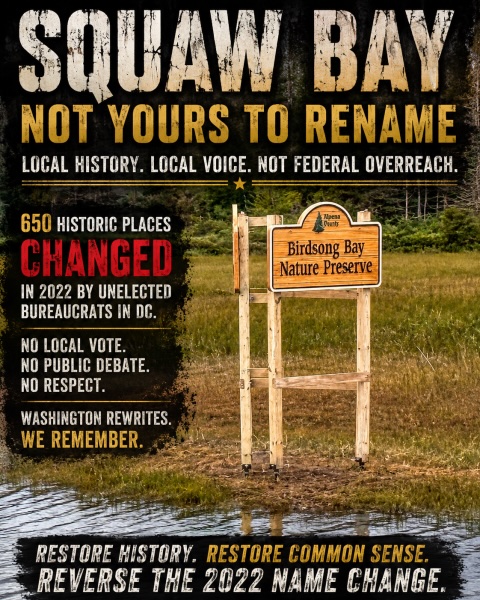
In 2022, during the peak of America’s DEI-driven renaming campaign, Washington quietly rewrote more than 650 historic geographic names with the stroke of a pen. No vote in Alpena County. No referendum in Michigan. No debate in Congress. Just appointed federal officials deciding what generations of local residents should call their own landmarks. Whether you believe the name should stay or go isn’t the only question. The bigger one is this: Who gets to decide? If local history can be edited from a desk in Washington today, what piece of your community’s heritage gets rewritten tomorrow? It’s time to restore local control, preserve historical context, and remind the federal government that not every issue belongs in Washington.
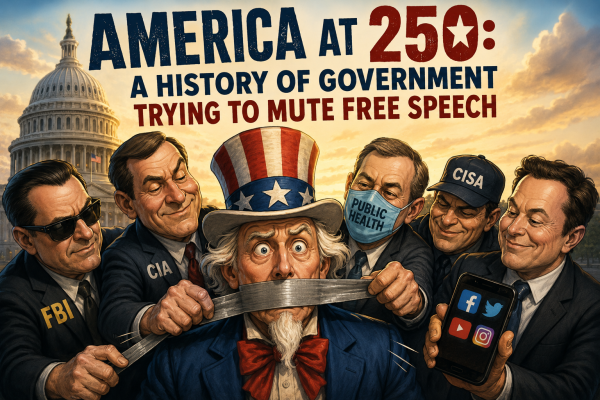
The First Amendment was ratified in 1791. Just seven years later, Congress passed the Alien and Sedition Acts, making it a crime to criticize the federal government. Since then, nearly every generation has been told that “this” crisis—war, communism, terrorism, or COVID—justifies limiting speech “for the greater good.” The slogans change. The excuses evolve. But one lesson has remained remarkably consistent for 250 years: governments don’t usually attack free speech head-on—they simply find a reason why yours should be the exception.
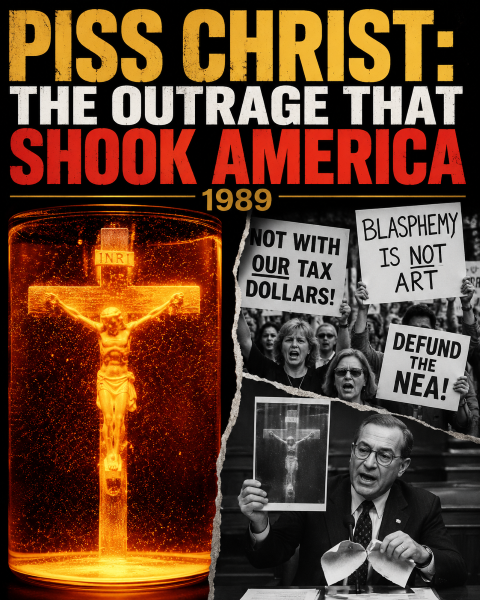
Although “Piss Christ” never reached the Supreme Court, the controversy helped lead to the 1998 case National Endowment for the Arts v. Finley. The Court ruled that while artists have broad First Amendment rights to create controversial work, they do not have a constitutional right to taxpayer funding. The lasting debate wasn’t whether Serrano could make the photograph—it was whether the public should have to help pay for it.