Federalist 77; More on Appointments

Today we wrap up the process of appointments and the state of tension created by the Constitution between the Senate and the President.
Citizen Writers Fighting Censorship by Helping Americans Understand Issues Affecting the Republic.
Today we wrap up the process of appointments and the state of tension created by the Constitution between the Senate and the President.
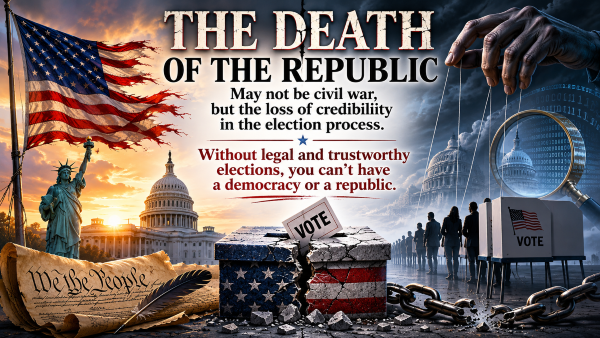
A constitutional republic depends not only on honest elections, but on public confidence that elections are honest. When that trust disappears, every law, every court decision, and every elected official begins to lose legitimacy. The greatest threat to America’s future may not be violence or foreign enemies, but the slow erosion of faith in the electoral process itself. Without legal, transparent, and trustworthy elections, there can be no democracy—and no republic worth preserving.
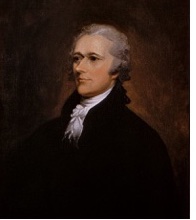
The Framers decided the best way to choose Ambassadors, Justices and Ministers was for a single person to nominate and a larger group to approve.

This past primary election saw a continued and deepening rift between Republicans and Democrats, those who believe in America and those who ardently do not.

What if one of the freest, safest, and most stable nations on Earth built its national defense around ordinary citizens instead of distant institutions? Switzerland’s centuries-old militia tradition treats marksmanship, military service, and civic responsibility as parts of citizenship, not relics of the past. While much of the West increasingly views citizens as liabilities to be managed, the Swiss continue to trust their people with serious responsibilities. The result is a culture where freedom is paired with duty, rights are balanced by obligations, and the citizen remains at the center of the republic. Perhaps the most surprising lesson from Switzerland isn’t about rifles at all—it’s about trust.

Federalist 75 deals with the President and his power to make treaties with other nations, subject to approval of two thirds of the Senate.

As ballots in California’s “jungle primary” continue to dribble in, it appears that incumbent Los Angeles Mayor Karen Bass and L.A. City Council member Nithya Raman will be battling it out in November for mayor of the City of Angels. Why Bass and Raman? Blame California’s ludicrous jungle primary, in which the two top vote-getters, …
Hamilton continues his series on the nature of the Presidency by discussing both the Presidential salary and the veto power assigned to that office.
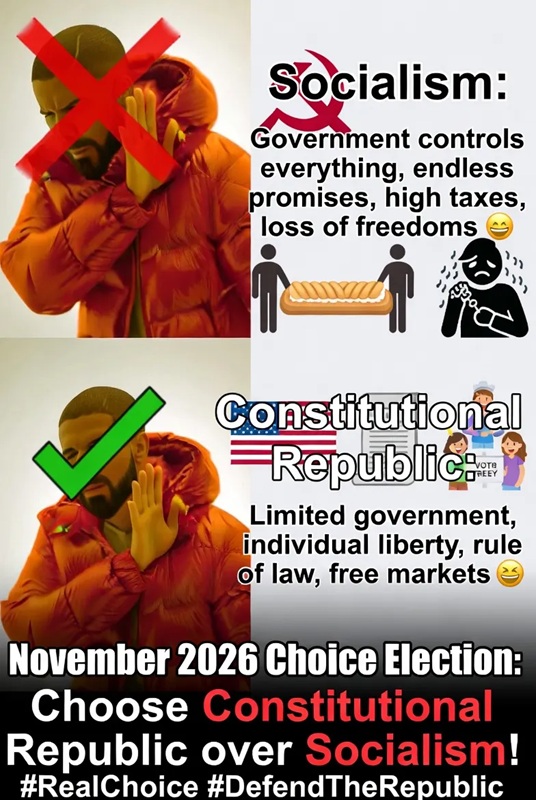
The Democrat Party and their legacy media allies are framing the 2026 midterms as a referendum on President Trump and Republican governance in Congress, leveraging historical midterm dynamics where the president’s party often loses seats. Democratic leaders (e.g., Rep. Suzan DelBene, D-Wash, the Democrat Congressional Campaign Committee chairman) explicitly call for making it a referendum on “Trump’s one big beautiful bill and agenda.” Their messaging focuses on affordability, health care costs, farm/economic impacts from policies, and immigration enforcement effects in key districts. They are targeting ostensibly vulnerable GOP seats in Trump-won areas, expanding maps and emphasizing “MAGA extremism” or unfulfilled promises.

The government’s bureaucracy is being trimmed and reformed. Bureaucrats who’ve abused their position are being terminated. And state officials are getting a refresher on federalism. Yes, I voted for that. Hopefully this continues on past January 2029.
Presidential Term Limits are a two-sided issue balancing necessary powers of the presidency, with checks and balances that prevent a return to monarchy.
Hamilton continues in Federalist 71 to explore the nature of the presidency, specifically limits on how long presidents may serve.

A new Department of Labor report on men found that the American labor force is missing about 7 million men who would otherwise be working. This means close to one-third of all men of working age are not included in the labor force.
Hamilton: “Energy in the Executive is a leading character in the definition of good government.” However, there is a downside to an energetic presidency.
Hamilton as Publius, discusses the differences between the nature of our President, European Kings, and even the Governor of New York.
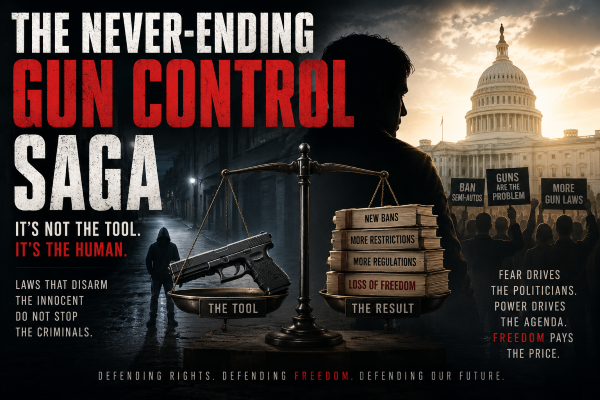
Every few years, we’re told the next gun law will finally make us safe. A new ban. A new restriction. A new list of prohibited features. Yet criminals continue doing what criminals have always done—ignoring the law. The never-ending gun control saga isn’t really about stopping crime anymore; it’s about regulating the tools of people who already follow the rules. When lawmakers focus on trigger bars, magazine capacities, and cosmetic features instead of violent offenders, many Americans see a troubling pattern: the target keeps moving, the promises never materialize, and freedom gets chipped away one regulation at a time. The tool was never the problem. The human using it was.
Federalist 68 describes the Founders’ concerns over choosing our Presidents and the dangers of doing so by “popular vote.”

The Left is in turmoil, with support rapidly declining as its ranks disintegrate. Two paths lie before us. The path forward with President Donald Trump promising to make the United States and the Western Hemisphere free of evil and prosperous for all.
Hamilton turns here, and for the next eleven Federalist Papers, to the subject of the Presidency, an important topic, today more than ever.

John Cornyn is the latest example of how the GOP leadership needs a reformation.